Skip to content

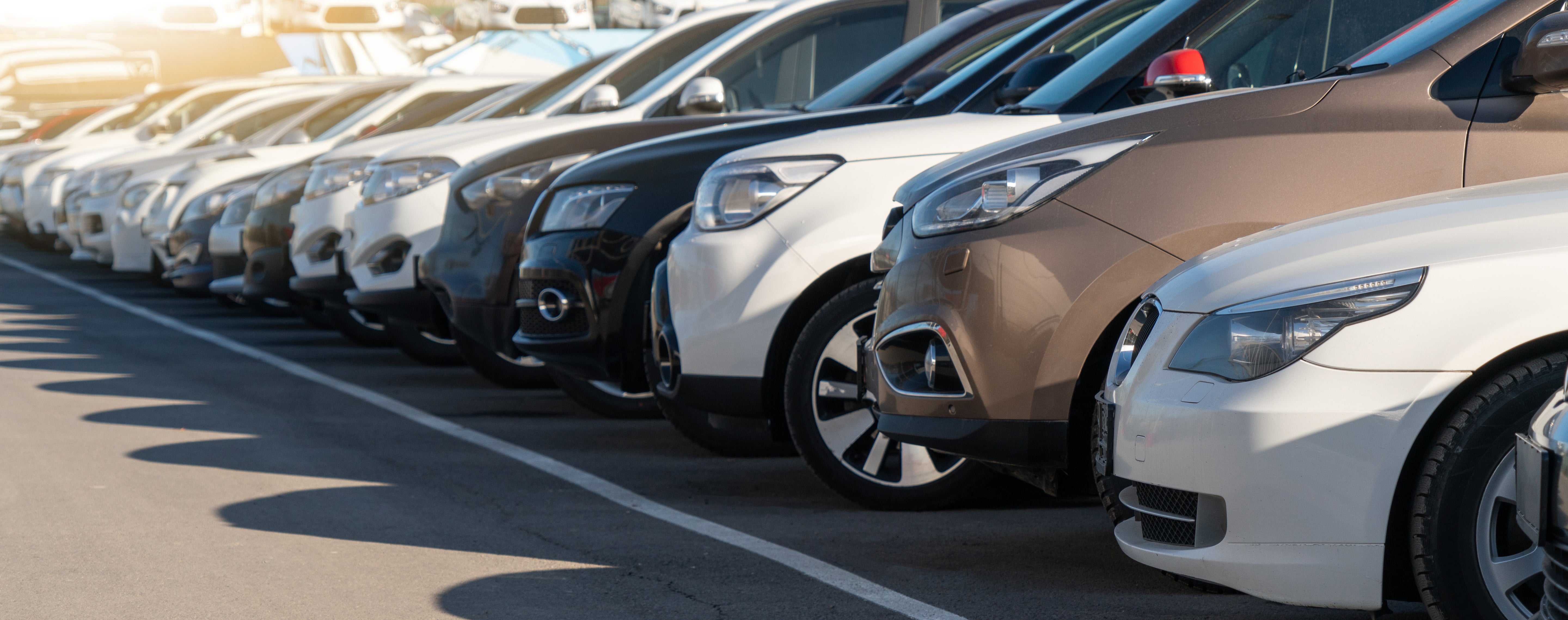
A car dealership lot is a showroom that never closes. Millions of dollars in inventory sit outdoors, around the clock, in full view of anyone who drives by, which makes it a constant target for theft, vandalism, and catalytic-converter cutting after hours.
Two tools do most of the work of protecting that inventory: car dealership security cameras and lot lighting. But here’s what many dealerships miss: they only work well together. A camera is only as good as the light it has to see by, and bright lighting only deters crime when there’s a camera to back it up.
This complete guide covers where to place car dealership security cameras, how high to mount them, and how to light your lot so your footage is actually usable when it matters most.
Why cameras and lighting belong together
Most dealership crime happens at night, when the lot is empty and the office is closed. That’s exactly when poor lighting and bad camera angles let problems slip through.
A well-designed camera-and-lighting system does three jobs at once:
-
Deters. A brightly lit lot with visible cameras tells would-be thieves to keep driving.
-
Documents. When something does happen, clear footage turns a guess into evidence for police and insurers.
-
Protects you from liability. Cameras over customer and service areas help resolve slip-and-fall claims, damage disputes, and “he-said-she-said” incidents.
Get the placement and lighting right, and the same system that scares off thieves also protects your staff and customers during the day.
Car dealership security camera placement: where and how high
Coverage is about angles, not just camera count. The goal is to see every vehicle, every entrance, and every high-theft area with no blind spots. Build your security camera system around these key zones:
Entrances and exits
Cover every way a vehicle or person can enter or leave. Add a dedicated license plate recognition (LPR) camera at the main drive so you capture plates on inbound and outbound traffic—invaluable if a vehicle is taken.
The perimeter and fence line
Aim cameras along the property edges to catch anyone approaching the lot before they reach the vehicles, not after.
Inventory rows and the open lot
Use elevated, wide-angle cameras to watch the rows of vehicles. Overlap their fields of view so there’s no gap a thief can slip through.
Service, parts, and wash bays
These are high-theft zones for tools, tires, and catalytic converters. Cover bay doors and the areas where keys and parts are handled.
Showroom, F&I offices, and cash points
Indoor cameras over the showroom floor, finance offices, and any cash-handling point protect against both theft and liability claims.
For mounting height, a simple rule of thumb keeps footage usable:
-
Detail cameras (for faces and license plates) work best mounted lower, around 10–12 feet, so they capture identifiable detail.
-
Overview cameras (for wide lot coverage) go higher, around 25–35 feet, often on existing light poles, to take in the whole area.
Choosing the right camera types
Different jobs call for different cameras. Most dealerships use a mix:
-
Bullet and turret cameras for fixed, detailed shots of entrances, bays, and rows.
-
Dome cameras for discreet, vandal-resistant coverage of the showroom and service areas.
-
PTZ (pan-tilt-zoom) cameras to actively sweep large open lots and zoom in on activity.
-
LPR cameras purpose-built to read license plates at entrances.
Whatever you choose, prioritize weatherproof (IP66-rated) housings for outdoor units and strong low-light or color night-vision performance, because the lot’s biggest risks happen in the dark.
Lot lighting: the other half of the system
You can buy the best car dealership security cameras on the market, but in a dark or unevenly lit lot they’ll hand you grainy, useless footage. Lighting is what makes the whole system work.
Mount lighting higher than your cameras
This is the detail dealerships most often get wrong. If a light sits at or below camera height and shines toward the lens, it causes glare and washout. Keep fixtures above your cameras and angled so the light falls on the vehicles, not into the cameras.
Aim for even, uniform coverage
Bright spots followed by dark gaps create shadows where people can hide and where cameras lose detail. Space fixtures to overlap and eliminate dark zones across the entire lot, pathways, and building exterior.
Use commercial LED lighting
Modern commercial LED lights deliver the bright, true-color light cameras need to capture vehicle colors and plates accurately, while using far less energy than older fixtures. Pole-mounted area lights plus building-mounted fixtures usually give the most even coverage.
Bright, consistent lighting does double duty: it’s one of the most reliable theft deterrents there is, and it’s the single biggest upgrade you can make to your camera footage.
Designing the two together: a simple playbook
Rather than buying cameras and lights separately, plan them as one system:
-
Map the lot. Mark entrances, rows, service bays, the perimeter, and any current dark spots.
-
Light it first. Lay out fixtures to cover the whole lot evenly, with no shadowed gaps.
-
Place cameras to use that light. Position them so the light falls on subjects, never pointing them straight into a fixture or the sun.
-
Layer detail and overview. Combine low, detailed cameras with high, wide ones so you get both the full picture and identifiable faces and plates.
-
Test at night. Walk the lot after dark and review the footage, then adjust angles and fixtures before you call it done.
Rounding out dealership security
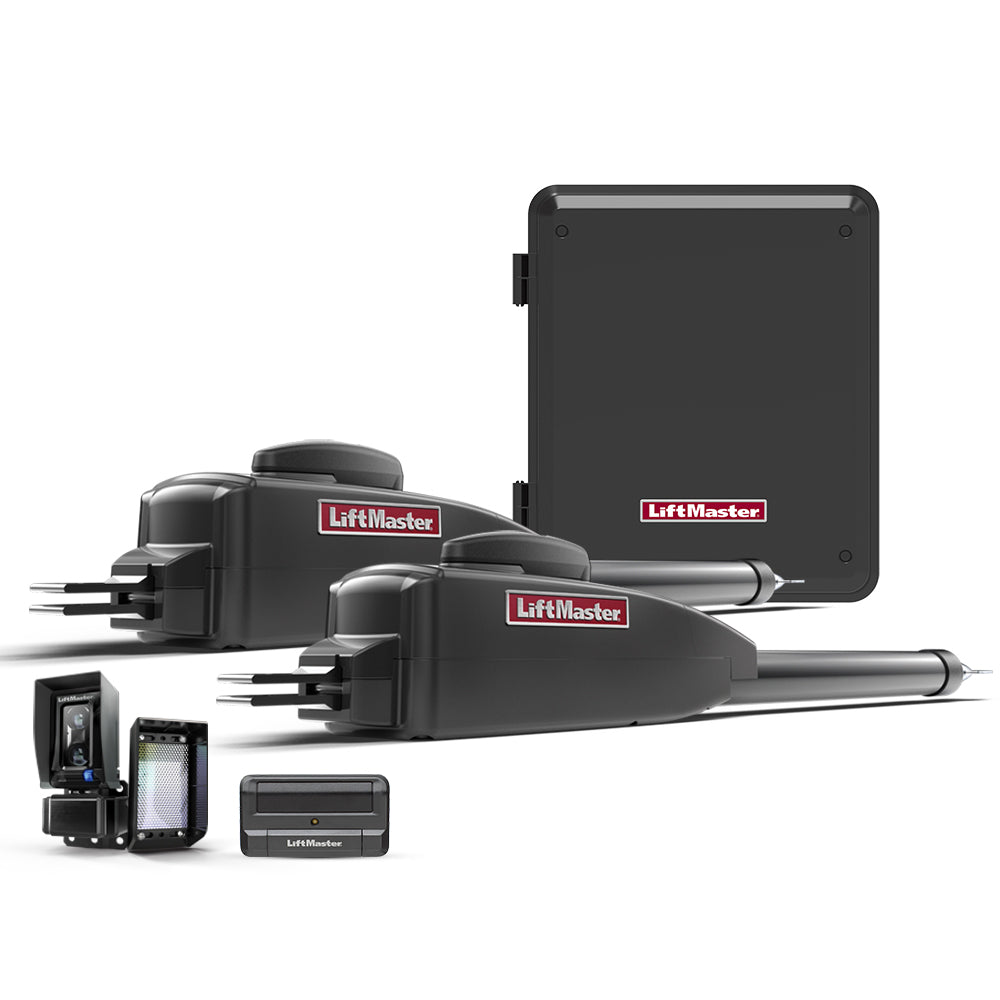
Cameras and lighting are the core, but they work best alongside the rest of a layered setup. Perimeter fencing and automatic gates control after-hours access, alarms add an active response, and secure key storage keeps the actual keys out of reach. Our broader car dealership security solutions page brings these together, and our guide to securing vehicle keys overnight covers a risk many lots overlook.
Layered the right way, each piece covers the others’ blind spots.
Why good car dealership camera placement pays off
Good car dealership camera placement does more than deter theft. When an incident happens, clear footage from the right angles gives law enforcement what they need to act quickly, and it gives your insurer solid proof for insurance claims, which can be the difference between a covered loss and a denied one. The right placement also protects the customer parking lot and test-drive areas, where slip-and-fall and fender-bender disputes are common and where good coverage settles questions fast. Walk your parking lot after dark, confirm every camera has the light and angle it needs, and revisit your car dealership camera placement whenever you rearrange inventory, repave the parking lot, or add lighting.
Frequently asked questions
Where should security cameras be placed at a car dealership?
Prioritize entrances and exits (with a license plate camera), the perimeter, inventory rows, service and parts areas, and indoor points like the showroom and finance offices. Overlap camera views so there are no blind spots.
How high should dealership security cameras be mounted?
Cameras meant to capture faces and license plates work best around 10–12 feet, while wide-area overview cameras are usually mounted higher, around 25–35 feet, often on light poles, to cover the whole lot.
Does lot lighting really improve camera footage?
Yes. Cameras need light to produce clear images, and even, bright lighting dramatically improves night footage. Just mount lights higher than your cameras and angle them onto the lot to avoid glare.
How many cameras does a car dealership need?
It depends on lot size and layout, but plan for full coverage of every entrance, the perimeter, each inventory row, service bays, and indoor sales and cash areas, using a mix of detail and wide-angle cameras rather than a fixed number.
A lot that protects itself after dark
Your inventory sits outside all night, so your security has to work hardest when no one’s watching. Car dealership security cameras and lot lighting are the two tools that make that possible, but only when they’re designed together.
Light the lot evenly, mount fixtures above your cameras, cover every zone with the right camera for the job, and test it all after dark. Do that, and you’ll have a lot that deters thieves, captures what matters, and gives you confidence every time you lock up.