Skip to content


A campground should feel open, relaxed, and welcoming. But behind that easygoing atmosphere, someone still has to know who is actually on the property, and who shouldn’t be.
Managing visitor access means balancing two things that can feel opposed: keeping guests safe and keeping the experience friendly. Tight security shouldn’t turn your front gate into a checkpoint, and a warm welcome shouldn’t mean anyone can drive in unnoticed.
The good news is that modern campground access control lets you do both. With the right mix of gates, credentials, and clear policies, you can protect your guests and your revenue while making arrivals smoother for everyone.
This guide walks through how to manage visitor access from the front gate to the back of the property—and how to choose equipment that grows with you.
What “visitor access” really means at a campground
Not everyone who enters your property is the same kind of visitor, so managing access starts with knowing who you’re letting in.
Most campgrounds and RV parks deal with several groups:
-
Registered guests with active reservations
-
Day visitors invited by paying guests
-
Vendors, contractors, and delivery drivers
-
Staff and maintenance teams
-
Seasonal or long-term campers
Each group needs a different level of access—and a different way to get it. A registered guest may need a code for their whole stay, while a day visitor might only need a few hours. Visitor access management is simply the system of rules and tools that decides who gets in, where they can go, and for how long.
Why managing visitor access matters
When access is loosely managed, small problems add up fast: unregistered cars, guests who overstay, strangers using the pool, or a vehicle nobody can account for after an incident.
A clear access system helps you:
-
Protect guest safety. People sleep, relax, and leave belongings out at a campground. Knowing who’s on-site keeps everyone safer.
-
Control capacity. Day-visitor limits prevent overcrowded sites, strained amenities, and parking chaos.
-
Protect revenue. Access tied to reservations stops non-paying visitors from using hookups, showers, and facilities.
-
Create accountability. A record of who entered and when is invaluable if something goes wrong.
-
Reduce staff workload. Automated entry means your team isn’t stuck waving cars through at 11 p.m.
In short, good access control protects the experience guests came for in the first place.
Start at the gate: automate entry and access control
The front gate is where visitor access management begins. The goal is simple: let authorized guests in easily and keep everyone else out—without parking a staff member at the entrance around the clock.
A few proven technologies make that possible.
Keypads and PIN codes
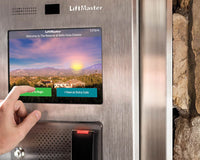
A keypad lets guests enter a unique PIN tied to their reservation. Codes can be created before arrival and set to expire automatically at checkout, so you’re never chasing down old credentials. Durable, weatherproof access control keypads are one of the most affordable ways to control a gate or amenity door.
Video intercoms
A weatherproof video intercom lets day visitors or unexpected guests call the office right from the gate. Staff can see who’s there and open the gate remotely—especially useful for after-hours arrivals. Intercom and telephone entry systems keep a person in the loop without keeping a person at the gate.
Key fobs and RFID cards
For seasonal campers and staff who come and go often, fobs and RFID cards offer fast, repeatable access. They’re durable, easy to reissue, and simple to deactivate the moment one is lost.
License plate recognition (LPR)
LPR cameras read a vehicle’s plate and open the gate automatically for registered guests—no code, no card, no stopping. Unrecognized plates can be logged for later review. It’s the most hands-off option for busy, high-traffic entrances.
Automatic gates and barrier arms
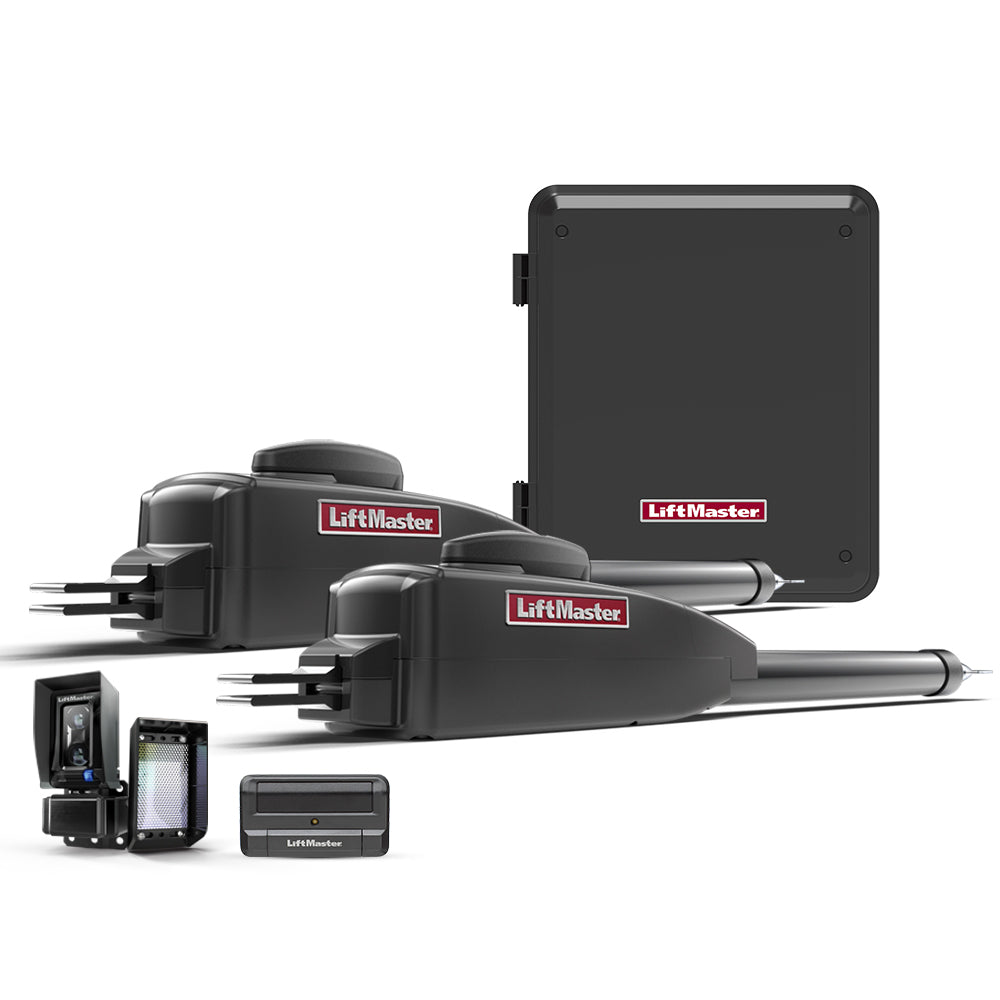
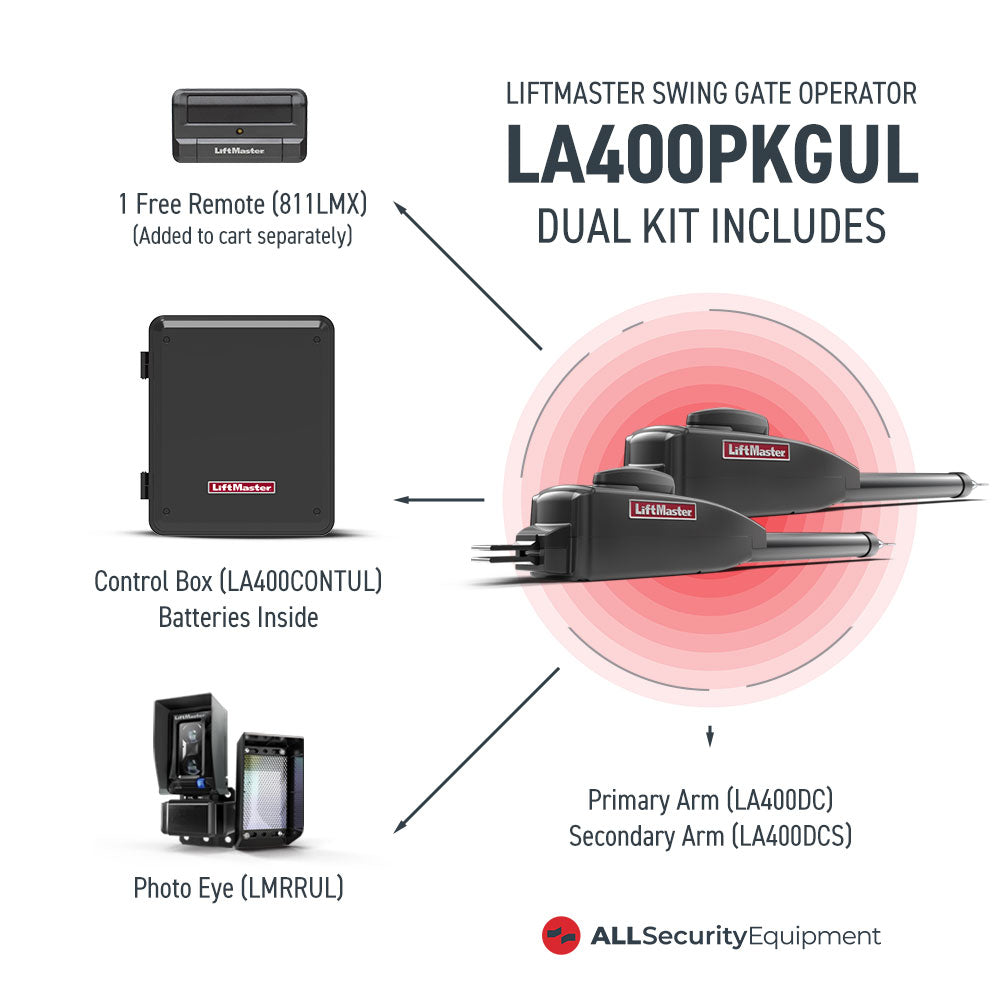
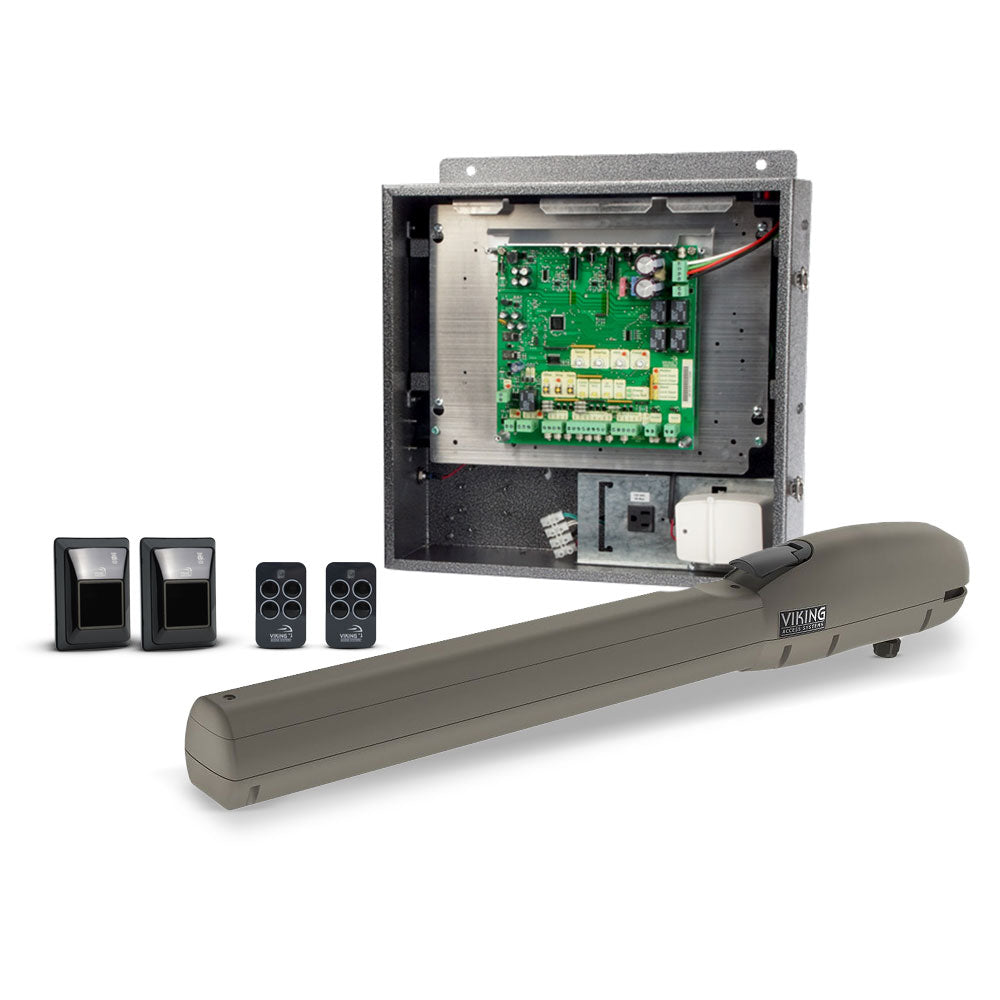
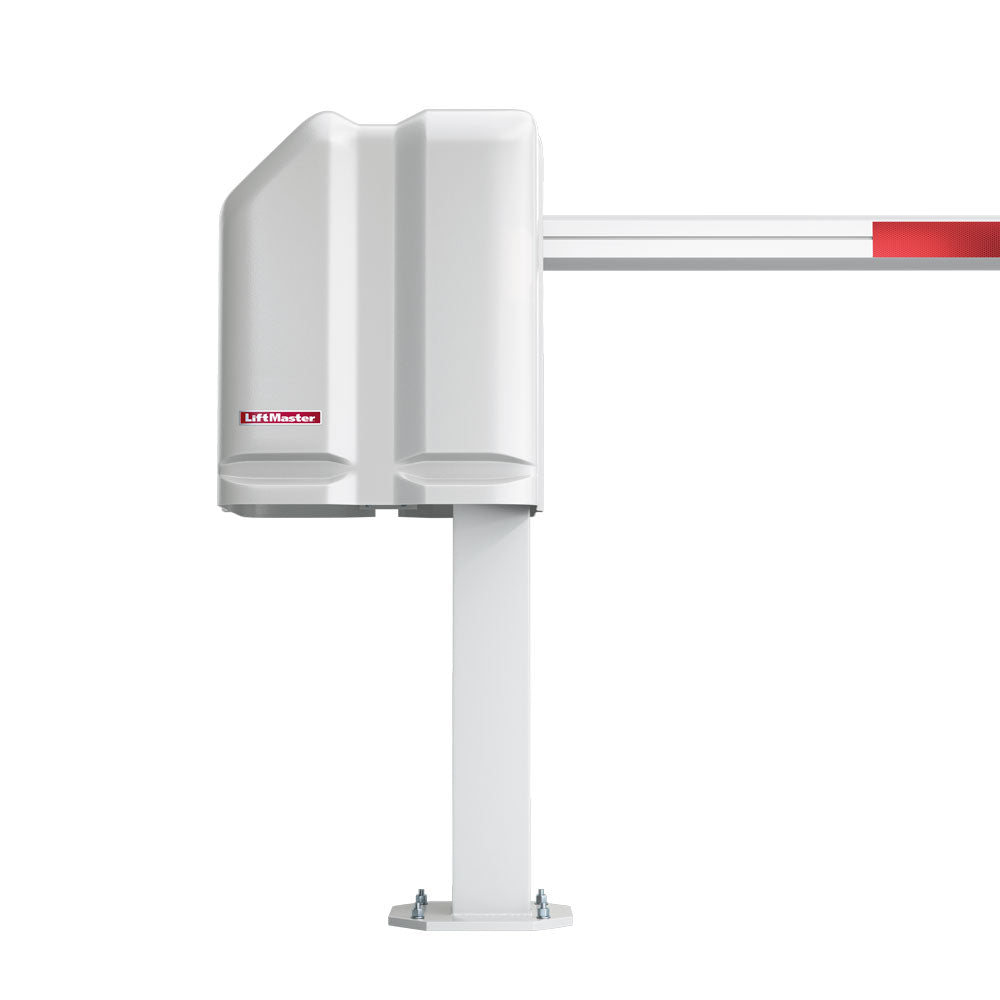
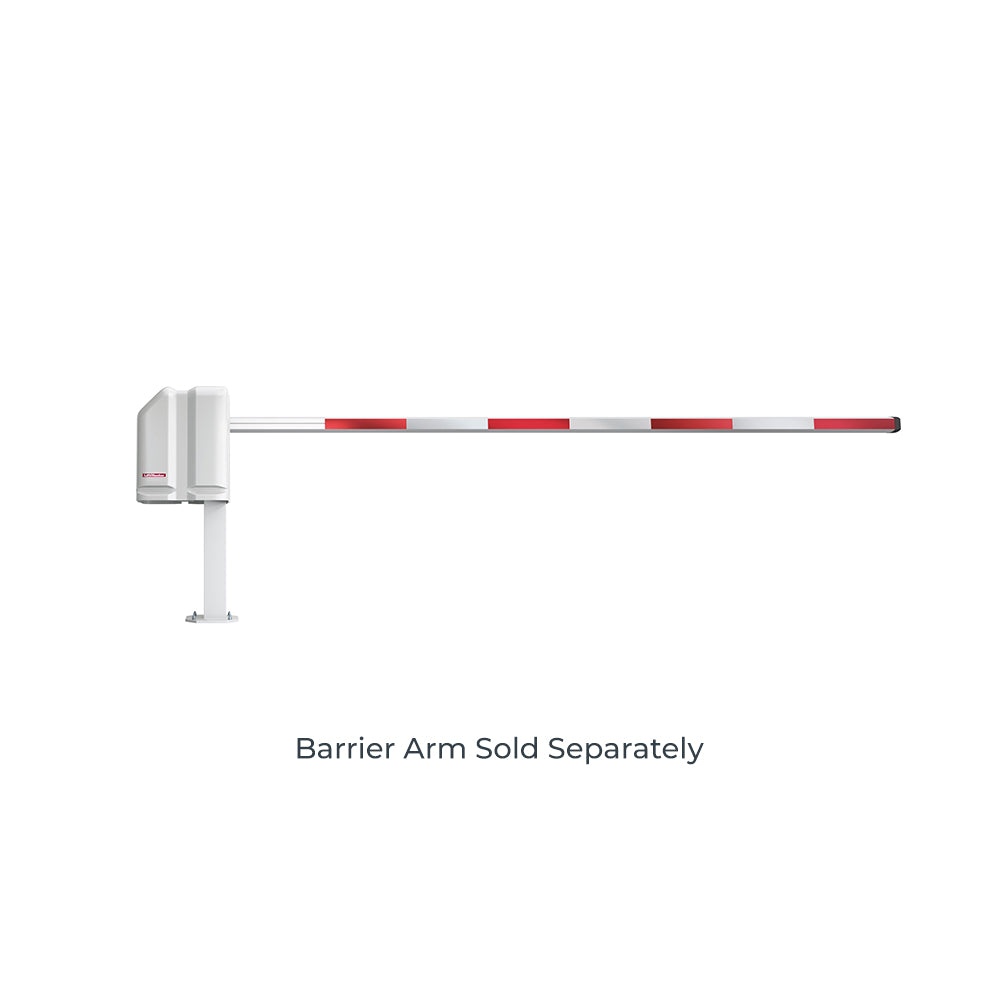
None of these credentials matter without a reliable barrier. Automatic gate operators and parking barrier gates physically control vehicle entry and are built to stand up to constant daily use in the elements.
Managing day visitors and guests
Day visitors are where most access headaches start. A guest invites friends for the afternoon, three extra cars show up, and suddenly no one knows who’s who.
A simple registration process keeps it under control:
-
Require registration. Have visitors check in at the office or through an online portal before entering.
-
Issue a visible pass. A dashboard hangtag showing the site number and departure time makes it easy for staff to spot who belongs where.
-
Set a day-visitor fee. Even a small fee discourages unannounced crowds and helps cover wear on facilities.
-
Designate visitor parking. Send extra cars to an overflow lot instead of crowding sites and narrow roads.
The aim isn’t to make visitors feel unwelcome, it’s to make sure your registered guests’ space, safety, and amenities are protected.
Set clear, easy-to-enforce access policies
Technology works best alongside policies guests understand from the start.
A few that make enforcement easier:
-
Use expiring codes. Tie credentials to reservation dates so they stop working at checkout automatically.
-
State guest limits clearly. Post how many visitors are allowed per site and require advance notice for larger groups.
-
Post signage at the entrance. Clear signs about visitor hours, parking, and speed limits set expectations before anyone reaches a staff member.
-
Be consistent. Apply the same rules to everyone so guests see them as fair, not arbitrary.
When expectations are clear and credentials enforce themselves, you spend far less time policing the property.
Don’t stop at the gate: know who’s on the property
A gate tells you a vehicle came in. It doesn’t tell you whether that vehicle is still there, whether the reservation expired, or whether a guest quietly added two more cars.
That’s why visitor access management extends beyond the entrance:
-
Monitor occupancy. Compare who’s actually on-site against your reservation list to catch overstays and unregistered vehicles.
-
Use cameras at key points. Entrances, amenity buildings, and common areas benefit from visibility, both as a deterrent and as a record.
-
Keep an activity log. If there’s an incident, being able to see which vehicles were present, and when, turns guesswork into evidence.
This shift from “who entered” to “who’s here right now” is what separates a basic gate from real campground security.
Connect access control to your reservation software
The smoothest systems don’t run separately from the rest of your operation—they sync with it.
Many campground property management platforms (such as Campspot or CampLife) can connect with access control so a gate code or license plate is only active during a guest’s actual stay. When a reservation is booked, access turns on. When the guest checks out, it turns off, no manual steps.
This kind of integration cuts down on errors, removes busywork for your staff, and gives guests a seamless arrival from booking to gate.
Balancing security with a welcoming guest experience
It’s worth saying plainly: people don’t come to a campground to feel watched. They come to relax, unplug, and enjoy the outdoors.
The best access control is the kind guests barely notice. When a code just works, when the gate opens as they pull up, when they’re not stuck calling the office at night—security fades into the background and the experience stays front and center.
Done well, security and hospitality aren’t in conflict. A guest who feels safe is a guest who relaxes. A parent breathes easier knowing strangers can’t wander in. A solo traveler sleeps better behind a controlled gate. Smooth, respectful access control is part of good hospitality, not the opposite of it.
The goal isn’t to build a fortress. It’s to quietly make sure everyone on the property has a reason to be there.
Building a campground access control system that fits
Every property is different. A small lakeside campground has different needs than a 300-site RV resort with cabins and glamping pods.
Start by mapping the access points you actually need to control:
-
Main vehicle entrance: an automatic gate paired with a keypad, intercom, or LPR.
-
Amenities (pools, bathhouses, gyms): keypads or card readers on the doors.
-
Cabins and glamping units: smart locks or keypad locks.
-
Staff and admin areas: restricted credentials.
From there, choose equipment built for the outdoors and for heavy, year-round use. If you’re deciding on the hardware itself, our guide to campground and parking lot gate systems breaks down the options, and our full access control systems collection covers the keypads, readers, and entry systems that tie everything together.
The right setup scales with you—add credentials, gates, or amenity access as your property grows.
Frequently asked questions
How do campgrounds control access?
Most campgrounds control access with an automatic gate at the entrance paired with credentials like PIN keypads, key fobs, RFID cards, or license plate recognition. Access is usually tied to a guest’s reservation, so it activates at check-in and expires at checkout.
How do RV parks handle day visitors?
RV parks typically ask day visitors to register at the office or online, issue a visible dashboard pass showing the site they’re visiting and a departure time, and direct extra vehicles to designated visitor parking. Many also charge a small day-visitor fee.
Do campgrounds need security cameras?
Cameras aren’t required, but they add a valuable layer of visibility at entrances, amenity buildings, and common areas. They deter problems and provide a record if an incident ever needs to be investigated.
What’s the best way to stop campers from overstaying?
Tie access credentials to reservation dates so codes or plates stop working automatically at checkout, and compare on-site vehicles against your reservation list to catch overstays early.
A safer property and a better stay
Managing visitor access at a campground or RV park comes down to a simple idea: know who’s on your property, make it easy for the right people to get in, and keep the experience relaxed for everyone else.
With the right combination of gates, credentials, clear policies, and a little visibility beyond the entrance, you can protect your guests and your revenue without ever making your campground feel like a checkpoint.
Whether you’re securing a single front gate or building a property-wide system, the best time to strengthen your campground access control is before peak season—not after an incident.