Skip to content

Every vehicle on a dealership lot represents a valuable asset. While fences, gates, and surveillance cameras help protect inventory, one of the most important security measures often sits inside the building: vehicle key storage.
A stolen key can quickly become a stolen vehicle. That's why many dealerships invest in secure key storage systems to control access, track key usage, and reduce theft risk.
Whether you manage a small independent dealership or a large automotive group, implementing a key cabinet for car dealership operations can play a major role in protecting inventory overnight and improving accountability throughout the day.
Why Vehicle Keys Are a Major Security Risk
Most dealerships store dozens or even hundreds of vehicle keys on-site.
Without proper controls, keys can be misplaced, copied, stolen, or accessed by unauthorized individuals. In many cases, criminals target keys first because gaining access to a vehicle becomes much easier once they obtain them.
Common risks include:
-
Vehicle theft
-
Employee theft
-
Lost keys
-
Unauthorized vehicle movement
-
Inventory management issues
-
After-hours break-ins
Even a single stolen key can create significant financial losses and operational headaches.
This is why secure key management should be part of every dealership security plan.
What Is a Key Cabinet for Car Dealership Operations?
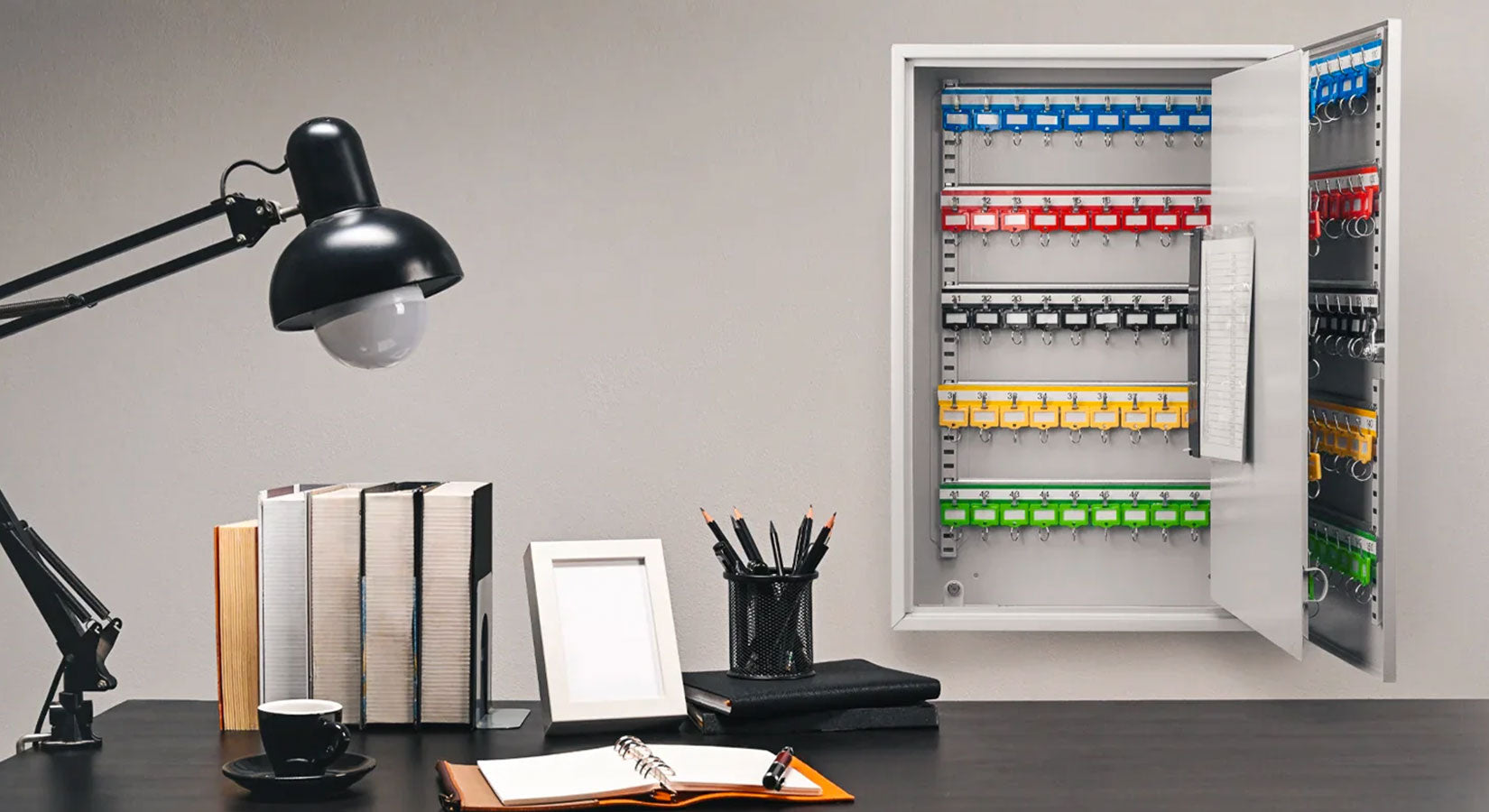
A key cabinet for car dealership operations is a secure storage system designed to organize, protect, and control access to vehicle keys.
Unlike traditional lockboxes or filing cabinets, dedicated key cabinets help dealerships maintain control over who can access keys and when.
Depending on the system, key cabinets may include:
-
Locking doors
-
Access control integration
-
User tracking
-
Audit trails
-
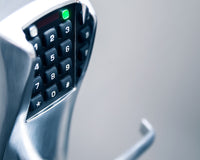
PIN code access
-
Key fob credentials
-
Keycard access
-
Electronic logging
These features help dealerships improve accountability while reducing opportunities for theft.

Key Safes vs. Key Cabinets
Both key safes and key cabinets provide secure storage, but they serve slightly different purposes.
Key Safes
Key safes are compact storage units designed to protect a smaller number of keys.
They are often used for:
-
Service departments
-
Fleet operations
-
Small dealerships
-
After-hours vehicle pickup
Key safes provide simple protection and controlled access for a limited number of credentials.
Key Cabinets
Key cabinets are designed for larger operations that manage many vehicle keys.
They offer:
-
Greater storage capacity
-
Better organization
-
Employee accountability
-
Access tracking
-
Scalable security
For most dealerships, a key cabinet provides a more practical long-term solution because it can grow alongside inventory needs.
Benefits of Electronic Key Cabinets
Modern electronic key cabinets offer more than simple storage.
They create a complete key management system that helps dealerships improve security and operational efficiency.
Better Accountability
Electronic systems record who accesses keys and when.
This creates a clear audit trail and helps managers identify potential issues quickly.
Reduced Theft Risk
Limiting access to authorized personnel makes it more difficult for keys to be stolen or misused.
Faster Inventory Management
Organized key storage allows employees to locate keys quickly, reducing delays and improving productivity.
Improved Compliance
Many dealerships use audit records to support internal security policies and insurance requirements.
Stronger Overnight Protection
When paired with alarms and access control systems, electronic key cabinets provide an additional layer of protection after business hours.
Combining Key Cabinets with Access Control
A secure key cabinet is most effective when integrated into a larger dealership security strategy.
Many dealerships combine key storage systems with:
-
Access control systems
-
Security cameras
-
Alarm systems
-
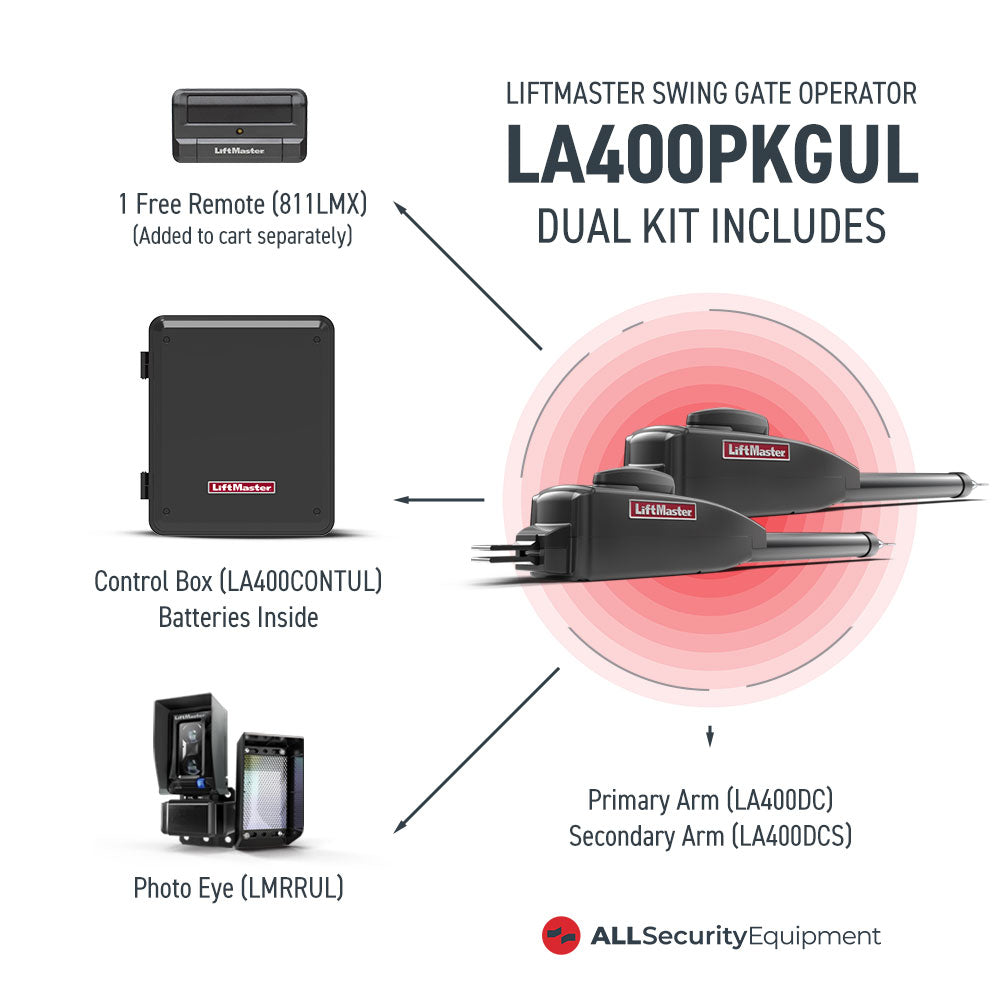
Automated gates
-
Visitor management platforms
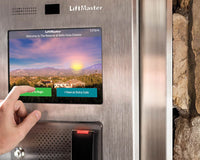
For example, an employee may need to use a keycard or key fob before accessing a key cabinet. This creates another layer of accountability and helps prevent unauthorized access.
When security systems work together, dealerships gain greater visibility and control over their inventory.
Why Overnight Security Matters
Most vehicle thefts and break-ins occur after business hours.
During these periods, dealerships have fewer employees on-site and less direct oversight.
A secure key management system helps reduce risk by:
-
Preventing unauthorized key access
-
Restricting employee permissions
-
Creating activity logs
-
Supporting alarm systems
-
Improving incident investigations
Even if criminals gain access to the building, secure key storage can create an additional barrier that slows or prevents theft.
Best Practices for Dealership Key Management
A key cabinet alone is not enough. Dealerships should establish clear procedures for handling vehicle keys.
Best practices include:
Limit Access
Only authorized employees should have access to vehicle keys.
Use Individual Credentials
Assign unique PINs, keycards, or key fobs to each employee.
Review Access Logs
Regularly review activity reports to identify unusual behavior.
Secure Keys After Hours
Never leave keys unattended at desks or workstations.
Train Employees
Employees should understand key management procedures and security expectations.
Following these practices helps maximize the value of any key storage system.
Protecting Inventory Starts with Protecting Keys
Vehicle inventory is one of a dealership's largest investments. Protecting that inventory requires more than cameras and perimeter security.
A key cabinet for car dealership operations provides an important layer of protection by securing vehicle keys, improving accountability, and reducing theft risk.
Whether you choose a traditional key safe or a modern electronic key cabinet, controlling access to keys can help prevent losses and improve daily operations.
For dealerships looking to strengthen overnight security, secure key management remains one of the most effective and affordable investments available.