Skip to content

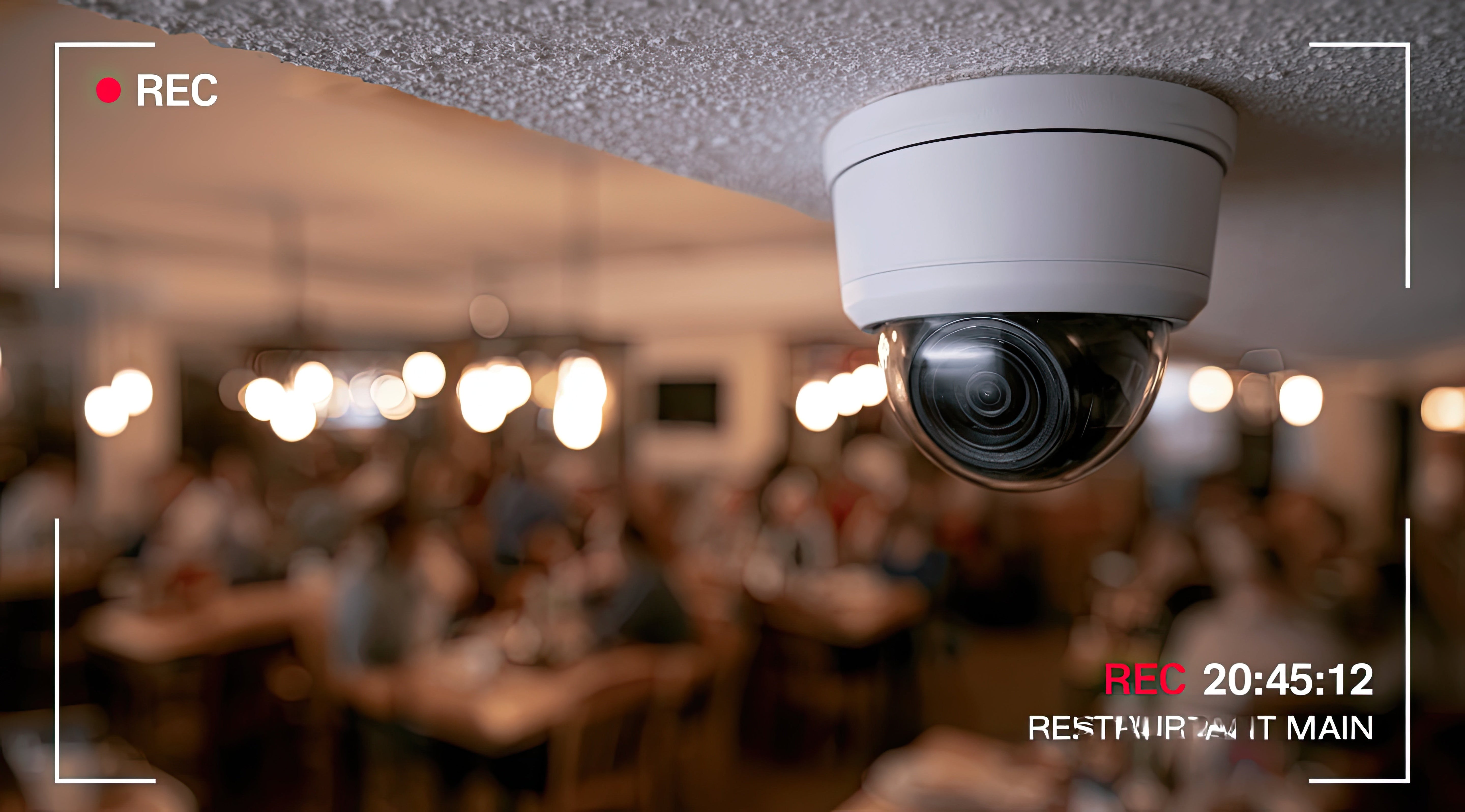
Restaurants lose money in small, quiet ways: a voided check here, a short deposit there, a back door that swings open for deliveries and stays that way. A restaurant security system is really three systems working the same shift: cameras watching the floor, a drop safe holding the cash, and access control deciding who gets into the back of the house.
This guide breaks down the equipment that matters in each layer and how they fit the way a restaurant actually runs, from open to close.
Cameras: cover the money and the doors
Camera placement in a restaurant follows the money and the exits, in that order:
-
Every POS station, angled to capture the register, the screen, and the hands. Pairing footage with transaction times is how voids and comps get explained.
-
Entrances, exits, and the back door. The back door is the restaurant’s weak point: deliveries, trash runs, and smoke breaks keep it moving all day.
-
Dining room and bar overview, for slip-and-fall claims and disputes as much as theft.
-
Storage and walk-ins, where high-cost inventory (liquor, proteins) tends to walk off.
Modern AI-enabled models cut the alert noise by distinguishing people from motion, which matters for after-hours monitoring. Compare dome, turret, and bullet options in our video surveillance collection.
It’s worth knowing the scale of the problem cameras exist to shrink: the National Retail Federation put retail shrink at $112.1 billion in losses for 2022, with roughly two thirds tied to theft. Restaurants live the same math with thinner margins.
Cash drop safes: shrink the target
Cash is the second layer, and the rule is simple: the register should never hold more than the shift needs. A depository safe (drop safe) makes that practical.
-
Staff drop, managers open: Servers and shift leads feed cash through a one-way slot all day without being able to open the safe. Only the manager with the combination can.
-
Anti-fish protection: Real drop safes use baffles or jagged teeth in the slot so deposits can’t be pulled back out.
-
Bolted down, out of sight: A freestanding safe is a carryable safe. Anchor it to the slab in the office.
Dual-compartment models hold entire register drawers overnight, which suits multi-register floors. See depository models like the Barska DX-300 in our safes collection.
Back-of-house access: doors that match roles
The third layer decides who reaches the office, the liquor room, and the walk-in. Metal keys fail here because restaurant turnover is constant, and every departed employee is a copied key you can’t account for.
-
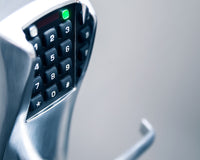
Keypads on the office and storage doors: Codes are issued per person and deleted the day someone leaves. Our access control keypads cover interior doors without issuing hardware to the whole crew.
-
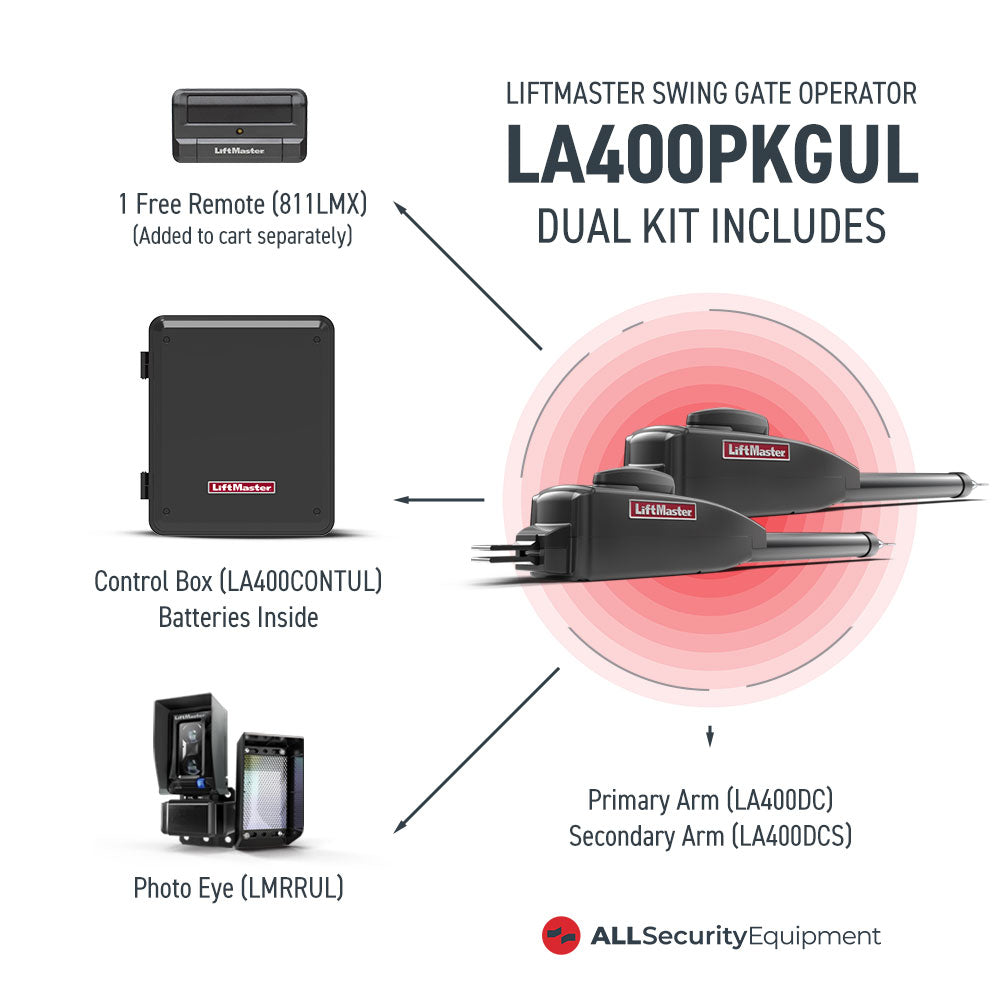
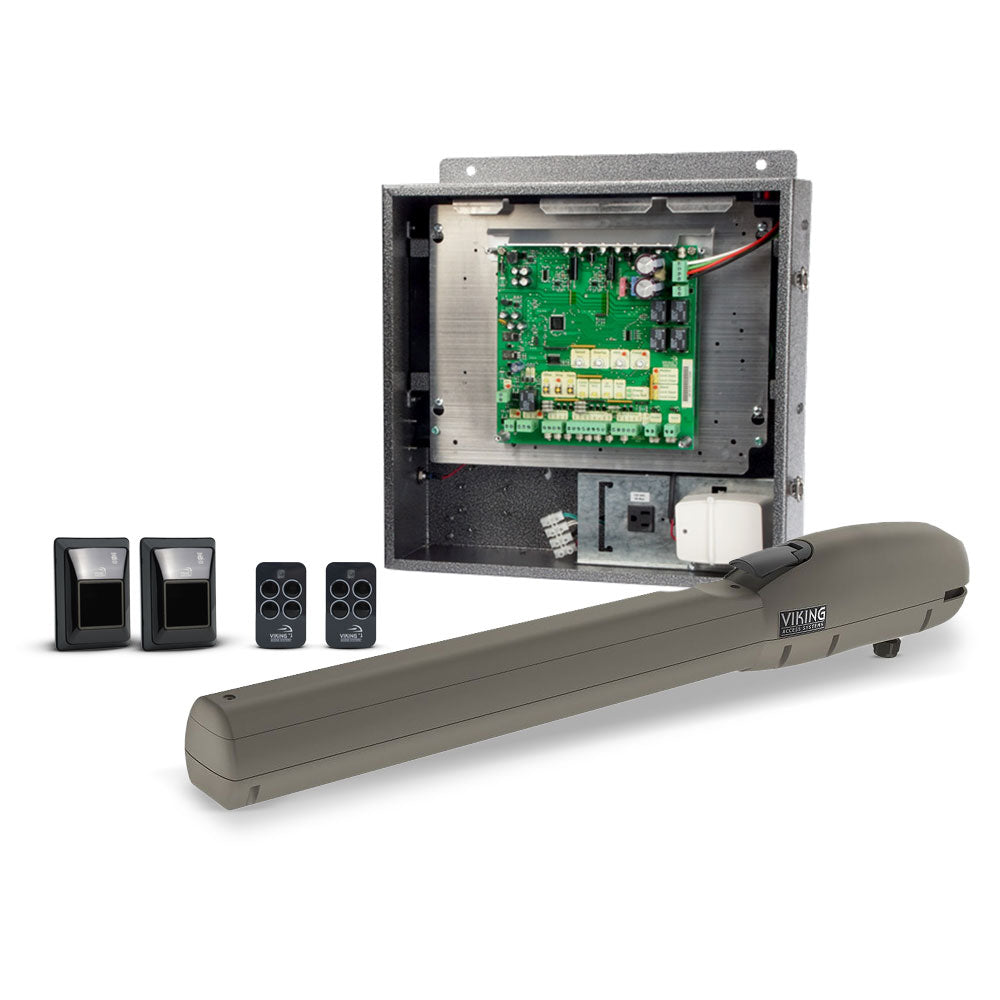
Self-locking hardware on the back door: An electric strike or magnetic lock re-secures the door after every delivery, ending the propped-door era. Options in our locks and hardware collection.
-
Simple rules that stick: Delivery drivers wait at the threshold. The safe combination changes with management. The alarm code isn’t the Wi-Fi password.
A one-day walkthrough: open to close
Equipment only helps if it matches the rhythm of a shift. Here’s what the three layers look like across one ordinary day:
-
Opening: The manager disarms, cameras confirm the overnight was quiet, and tills start to thin because yesterday’s cash is already in the safe, not in the drawers.
-
Mid-shift: Cash drops happen at set drawer thresholds, deliveries come through a back door that relocks behind each one, and the POS cameras quietly pair footage with every void and comp.
-
Closing: The final drop goes in, the closer locks a building that mostly locked itself, and the alarm arms with a code that belongs to a person, not to the whole staff.
-
After hours: AI person detection watches the doors and dining room, and the only cash on site is inside an anchored safe nobody present can open.
Notice what’s missing from that day: keys, arguments about who left the door open, and a drawer full of cash at midnight. That’s the equipment doing its job invisibly.
Making the three layers work one shift
The equipment earns its cost when the layers reinforce each other. The camera over the POS explains the void; the drop safe means the till is thin when trouble walks in; the keypad log says who was in the office between counts. One incident touched all three layers, and all three have an answer.
Start with the highest-loss point in your own numbers. If deposits keep coming up short, start at the safe. If inventory bleeds, start with storage-room access and a camera on the walk-in. Equipment follows the leak.
Frequently asked questions
What security system does a restaurant need?
Three layers: cameras over the POS stations, entrances, and storage; a depository drop safe so cash leaves the registers throughout the shift; and access control (keypads, self-locking doors) on the office and back of house. Most restaurants need all three at a modest scale rather than any one of them at enterprise scale.
Where should restaurant security cameras be placed?
Over every register and POS screen, at each entrance and the back door, across the dining room for incident disputes, and inside storage areas and walk-ins where high-value inventory lives.
Do restaurants need a drop safe?
Any restaurant handling meaningful cash does. A drop safe keeps register tills thin, removes the manager-only bottleneck at closing, and takes the payoff out of both robbery and internal skimming.
How do restaurants secure the back door?
With self-locking hardware (an electric strike or magnetic lock) so the door re-secures after every delivery, plus a camera covering the threshold and a simple rule that drivers wait outside. That combination closes the most common gap in restaurant security.
How much does a restaurant security system cost?
A single-location setup typically lands in the low thousands: several cameras with a recorder, a depository safe, and keypads or locking hardware on two or three doors. The spend scales with camera count and doors, and buying the equipment outright usually beats leasing it over a multi-year contract.
Equipment that works the whole shift
A restaurant security system doesn’t need to be elaborate. It needs to match the rhythm of the building: cameras where money and inventory move, a drop safe that keeps the till boring, and doors that lock themselves behind a busy crew. Build those three layers once, and every shift after that inherits them.