Skip to content

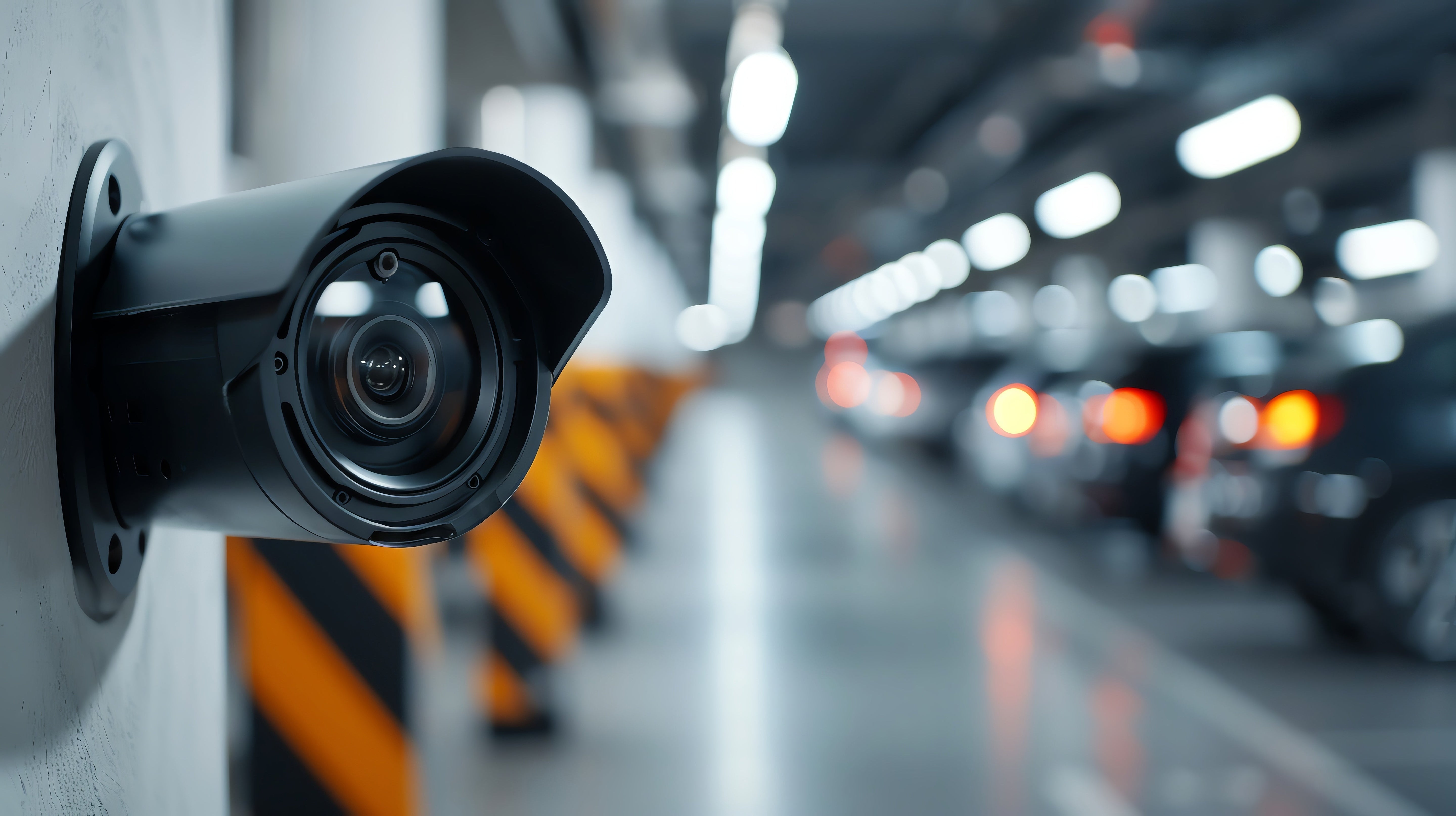
Almost any security camera can photograph a car. Reading the plate from that image is a different job, and general-purpose cameras often fail at it. Point a standard dome at a driveway and you get a clean shot of the vehicle with a bright smear where the plate should be.
A license plate recognition camera, also sold as an ANPR camera for automatic number plate recognition, is built for that one job. It reads the plate and hands you the characters as searchable text. Here is what changes inside the camera, how the read happens, where to mount one, and what a working setup actually costs.
What makes an LPR camera different
Resolution is the least of it. Four other things separate a purpose-built LPR camera from a general-purpose IP camera.
-
A much faster shutter: a car at 30 mph covers 44 feet every second. A normal camera holds its shutter open long enough to turn those characters into gray mush. LPR cameras use shutter speeds measured in thousandths of a second. That freezes the plate, and it cuts the light reaching the sensor.
-
Illumination aimed at the plate: license plates are retroreflective, meaning they send light back toward whatever sent it. LPR cameras carry their own infrared or white light LEDs so the plate stands out while the wider scene stays dark.
-
A long, narrow lens: the UNV PKC2641-Z100-IR-P uses a 10 to 50mm motorized varifocal lens. The narrow field of view lets it frame a single lane from a long setback, rather than spreading coverage across the whole entrance.
-
Recognition software: the camera locates the plate, reads the characters, and outputs the plate number as text. That text can be logged, searched, or used to open a gate. On the models covered here, the recognition runs on the camera itself.
Resolution still matters, but it matters far less than shutter speed, lens reach and mounting angle. A purpose-built 2MP LPR camera will read a moving plate that an 8MP dome misses, which is the reverse of how camera resolution usually works.

How the read actually happens
The read runs in five steps, from a car entering the lane to a plate number landing in your log.
-
Trigger: motion analytics, a virtual tripwire drawn in the video, or a vehicle loop buried in the road surface tells the camera a car has entered the capture area.
-
Capture: the camera takes a still at high shutter speed with its illuminator firing.
-
Plate location: the algorithm finds the plate inside the frame and isolates that region for character recognition.
-
Character reading: optical character recognition turns the plate image into text. Better units handle plate formats from multiple countries, which matters near a border or at a freight yard.
-
Match and act: the plate is checked against an allowlist or a blocklist. Uniview's LPR line handles the match on the camera and can close a relay output that opens the gate.
Settle one thing before go-live. Plate reads are a searchable record of who came and went, so decide how long you keep them and who is allowed to search them. Agree the retention period and the access list with whoever owns compliance at the site, because plate data attracts more scrutiny than ordinary video.
LPR camera vs. standard security camera
|
What you are comparing |
Standard IP camera |
LPR camera |
|
What you end up with |
A picture of the vehicle |
The plate number as searchable text |
|
Shutter |
Tuned for a bright, even image |
Tuned to freeze a moving plate |
|
Lighting |
Ambient light or broad scene lighting |
Aimed at the reflective plate |
|
Vehicle speed |
Plate capture degrades as speed rises |
Rated to 50 mph on the UNV LPR models |
|
Coverage |
Wide, the full entrance |
One lane at a time |
|
Gate control |
Needs separate plate analytics or an integration |
Allowlist, blocklist, relay output |
Where you mount it decides whether it works
Mounting geometry is where LPR projects fail. The camera is usually fine. Five rules prevent the common problems.
-
Keep the angle tight. Stay under roughly 30 degrees off the plate, both side to side and top to bottom. Past that the characters skew and the software starts guessing.
-
One camera per lane: plan one camera for each lane, and one for each direction you need logged. A two-lane entrance needs two.
-
Match the lens to the setback. An 8 to 32mm lens suits gate lanes and parking entrances. Move up to 10 to 50mm when the camera has to sit farther back, such as on a pole across a wide apron.
-
Mount low enough to see the plate. Plates sit roughly 2 to 4 feet off the ground. A camera at second-floor height is looking at a roof.
-
Slow the traffic if you can. The UNV LPR cameras are rated to 80 km/h (50 mph), but accuracy climbs as vehicles slow. A speed bump, a bend, or the gate itself can do more for the read than another megapixel. Test the lane with real traffic in daylight and after dark before you sign it off.
White light or infrared
Both light the plate. They fail differently, and the choice usually comes down to what you need the footage to prove.
-
Infrared avoids visible light and reads the plate cleanly at night, but the image comes back monochrome. You get the plate number and little else about the vehicle. If the plate is missing, muddy, or covered, the evidence may be a gray car and nothing more.
-
White light keeps color around the clock. The UNV PKC2640@Z80-P uses warm white LEDs rated for up to 164 feet (50 m) of illumination. The frame can hold the plate plus the vehicle's color, body style and any damage. The trade is that drivers see the light, and a lit entrance can annoy the neighbors.
Residential gates and gated communities usually choose infrared. Dealerships, equipment yards, and sites where the footage may support an insurance claim are better served by white light.
Turning the plate into a credential
Some LPR products only record and index plates. Others hand the plate to an access control panel as a credential, which is a different job and worth identifying before you buy.
The Nedap ANPR Lumo is built as an access control reader rather than a recording camera. Its camera, illuminator, analyzer and software share one weather-sealed IP65 housing. It reads plates from 6.5 to 26 feet and carries Wiegand output, the same signaling a card reader uses, so it wires straight into an access control panel. The panel then treats the plate as the credential. You can see the full range in the Nedap collection.
The UNV cameras take a different route. They apply allowlist and blocklist rules on the camera and close a relay to open the gate locally, with no access panel making the decision. Both approaches work. They put the decision in different places, which matters if you already run a panel and want every credential logged in one system.
One caution before you replace every fob. LPR handles registered vehicles well and visitors badly, because a stranger's plate is on no list. Most sites pair it with a keypad or a lane intercom for guests and deliveries. That also gives you a fallback the day a plate is caked in snow.
Best uses for LPR cameras
For registered vehicles, the plate is a credential that stays with the car and cannot be left at home.
-
Gated communities and apartment lots: residents drive in without touching anything, and management stops reissuing fobs to people who lost them.
-
Employee and tenant parking: the entry log shows which registered vehicle came through the gate at 2 a.m., without anyone having to remember.
-
Car dealerships and equipment yards: a plate read plus a full-color image of the vehicle is useful evidence after an overnight theft.
-
Self-storage facilities: linking a plate read to a gate code and a unit visit settles access disputes faster.
-
Logistics and distribution yards: timestamped reads of truck plates can be matched against the dock schedule, so a late trailer becomes a data point rather than an argument.
-
Parking operations: LPR automates permit checks and supports enforcement without a manual patrol of the lot. Pair it with the hardware in our parking systems collection and the plate read can drive the barrier directly.

How much LPR cameras cost
Prices split into three tiers, and confusing them is the usual budgeting mistake.
-
Consumer-grade, roughly $350 to $800: enough for one slow lane with steady lighting and a favorable angle. Read performance drops as vehicle speed and plate angle rise, which is where most disappointment with these units starts.
-
Commercial-grade, roughly $1,400 to $2,000: the UNV LPR line runs from $1,479 for the 2MP ANPR bullet to $1,969 for the 4MP long-range model. The 4MP model carries the 10 to 50mm lens. You are paying for shutter control, lens reach, the illuminator, and a recognition engine that holds up in glare.
-
All-in-one access readers, around $5,169: the Nedap ANPR Lumo is priced as an access control device rather than a camera. It reads the plate and presents it to your panel over Wiegand, so the plate joins your existing credentials instead of running as a separate system.
Budget for the supporting hardware too. You need a Power over Ethernet (PoE) switch or injector, a recorder that can take the stream, and cable. Add a mount that holds the lens at the right height and angle. On a gate install, add a vehicle loop or another trigger. The rest of the IP camera range covers the wider vehicle coverage that sits around the LPR lane. Government and public sector buyers should also check the National Defense Authorization Act (NDAA) compliance rules before specifying a model.
Frequently asked questions
How do license plate recognition cameras work?
An LPR camera captures a still at a very fast shutter speed while its own infrared or white light illuminator makes the retroreflective plate stand out against the dark. Software on the camera locates the plate and uses optical character recognition to convert its image into text. That text can then be logged with a timestamp, searched later, or matched against an allowlist to open a gate.
How far away do license plate readers work?
Read range depends on the lens, and it is not the same number as the illumination range on the datasheet. Gate lane readers like the Nedap ANPR Lumo are rated to read plates from 6.5 to 26 feet. Varifocal bullet cameras reach farther because you can frame the lane tightly. An 8 to 32mm lens suits parking entrances, and a 10 to 50mm lens works from a longer setback. Check the read range for the lens and distance you are planning, and treat any illumination figure as a lighting spec rather than a reading spec.
What is the best camera for license plate recognition?
The best camera is the one matched to your lane. For a gate where vehicles slow to a stop, an all-in-one reader is often the simplest option. Its Wiegand output presents the plate to the access control panel the same way a card reader does. For an open entrance with cars moving up to 50 mph, a 4MP LPR bullet with a motorized varifocal lens and a dedicated recognition algorithm is the right tool. Resolution matters far less than shutter speed, lens reach, and mounting angle.
Can a regular security camera read license plates?
Yes, under narrow conditions. A standard camera can show a readable plate when the vehicle is stopped, close to the camera and well lit. Somebody still has to read it off the recording, because a standard camera has no recognition engine and produces no searchable plate text. As speed rises the plate blurs, and at night headlights can wash it out.
Do license plate cameras work at night?
Yes. Dedicated infrared or white light illumination reflects off the plate's coating, which makes the characters brighter than everything around them and supports a reliable read after dark. The difference is what else the frame shows. Infrared returns a monochrome image with a legible plate. A white light model such as the UNV PKC2640@Z80-P is designed to hold full color, and it is rated for up to 164 feet (50 m) of illumination.
How much does a license plate recognition camera cost?
Consumer models start around $350. Commercial LPR cameras run roughly $1,400 to $2,000, with the UNV LPR bullets at $1,479 to $1,969. An all-in-one access control reader like the Nedap ANPR Lumo is around $5,169, priced as an access device because it presents the plate to a panel over Wiegand. Add a Power over Ethernet (PoE) switch or injector, a recorder, cabling and mounting hardware to the camera price.
Match the camera to the lane
Decide what you want out of the lane before you shop. If a general image of the vehicle is enough for a police report, a well-placed network camera will cost far less. If you want the plate as searchable data, tied to a time and a direction and possibly a gate relay, use a purpose-built LPR camera. Mount it low, aim it tightly, and give it one lane. Geometry decides more than price does, and a correctly placed commercial camera will out-read a better one hung at the wrong angle.