Skip to content

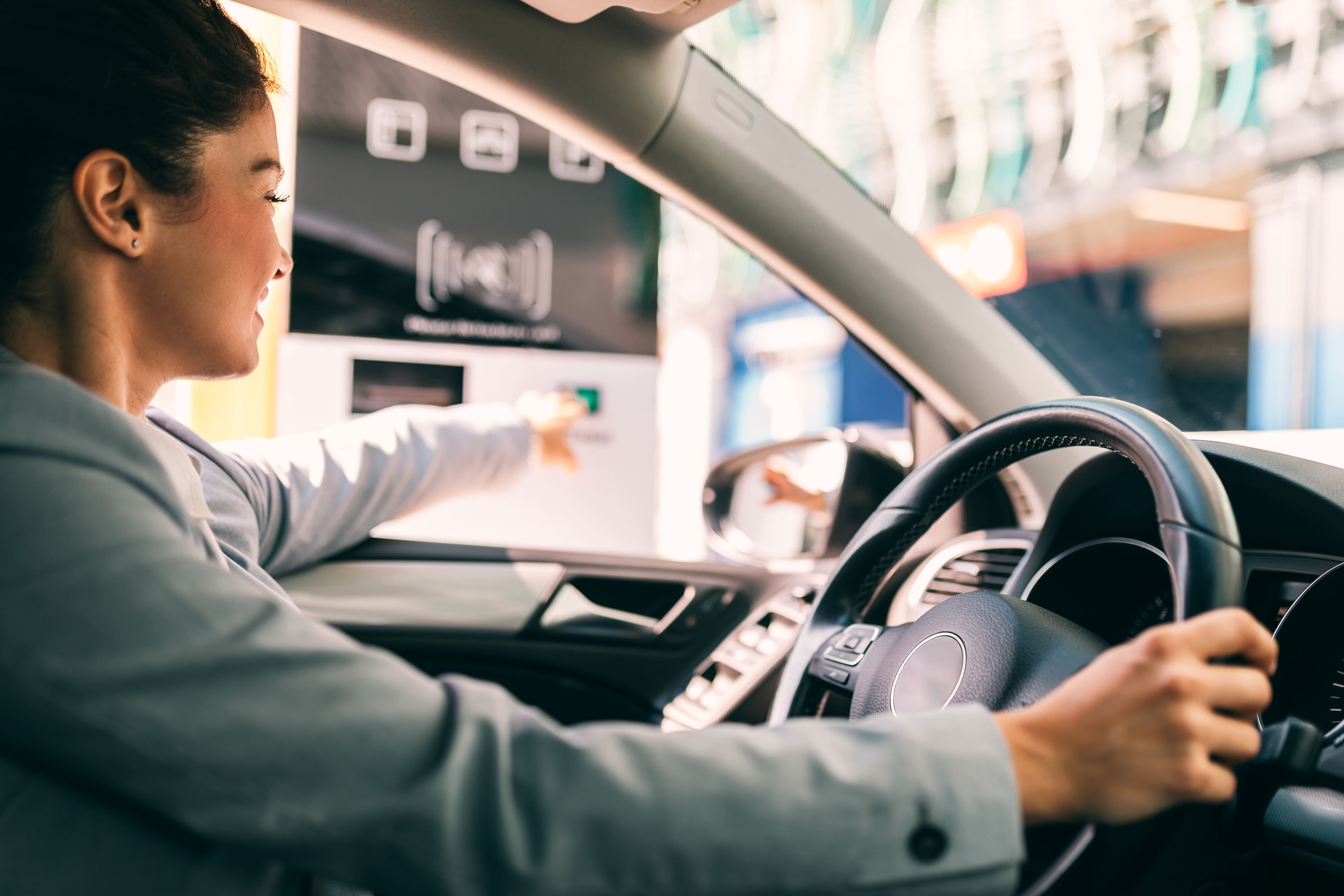
A parking ticket dispenser plays an important role in any commercial parking system. It controls how vehicles enter a garage or parking lot and helps keep traffic moving in an orderly way.
When this equipment stops working, problems appear fast. Cars line up at the entrance. Drivers get frustrated. Staff must step in to manage traffic. Choosing the right system helps reduce these issues and keeps daily operations running smoothly.
This guide explains the top features to look for when selecting a ticket dispenser for a commercial parking environment.
1. Built for Daily High Traffic
Many parking locations handle a large number of vehicles each day. Office buildings, hospitals, public garages, and event venues often see steady traffic during peak hours.
A reliable ticket dispenser should support:
-
Frequent ticket dispensing
-
Continuous daily operation
-
Consistent performance during busy periods
Equipment designed for high traffic uses stronger internal parts. This reduces jams and helps vehicles move through the entry lane without delay. Over time, this also lowers service needs and operating disruptions.
2. Works With Modern Parking Systems
Ticket dispensers should operate as part of a complete parking system. They need to communicate with entry gates, controllers, and access management equipment.
Most modern systems use barcode tickets to track vehicle entry. Some parking systems may also support magnetic stripe tickets, depending on the hardware and system design.
The SysParc Electronic Ticket Dispenser TD-7030 is designed to issue barcode tickets and integrate with entry gates and parking controllers. This makes it a strong option for facilities that rely on barcode-based access control and vehicle tracking.
This type of integration helps parking operators manage entry more efficiently and supports future system expansion.
3. Designed for Outdoor and Garage Conditions
Ticket dispensers are often installed outdoors or in partially covered garages. These environments expose equipment to heat, dust, moisture, and vehicle exhaust.
A durable unit should include:
-
Weather resistant housing
-
Industrial grade internal components
-
Secure enclosures to reduce tampering
Strong construction protects internal electronics and improves long-term reliability. This is especially important in busy parking lots where equipment operates continuously throughout the day.
4. Easy to Maintain and Refill
Even reliable equipment requires routine maintenance. A well-designed ticket dispenser makes basic service tasks easier for staff.
Key maintenance-friendly features include:
-
Easy access doors for ticket refills
-
Clear internal layouts for service work
-
Secure internal components that reduce handling time
Simple maintenance helps keep downtime short. When issues are resolved quickly, entry lanes stay open and traffic continues to flow smoothly.
5. Ready for Growth and Change
Parking needs often change over time. Traffic volumes increase. New buildings are added. Payment systems evolve.
Scalable ticket dispensers support:
-
Additional entry lanes
-
Integration with pay stations or kiosks
-
System upgrades without full replacement
Products such as the SysParc MV2020 and SysParc PS2020 are designed to work within larger parking systems and support long-term expansion.
Choosing the Right Equipment for Your Facility
Every parking lot has different needs. A hospital garage may require fast entry and high reliability. A commercial office building may focus on durability and system compatibility. Public parking facilities often need flexibility and easy maintenance.
Before selecting equipment, consider:
-
Average daily vehicle volume
-
Indoor or outdoor installation
-
Existing parking system components
-
Available staff for maintenance
Reviewing a curated parking ticket dispenser collection helps compare commercial-grade options built for different environments.
Part of a Complete Parking Setup
A ticket dispenser works best when paired with compatible gates, controllers, and software. Together, these components help manage access, improve traffic flow, and reduce manual intervention.
Explore complete parking systems to build a setup that supports both current operations and future needs.
Final Thoughts
Choosing the right parking ticket dispenser helps reduce congestion, limit downtime, and improve the overall parking experience. By focusing on durability, system compatibility, ease of maintenance, and scalability, facilities can select equipment that performs reliably under daily demand.
The right solution keeps parking operations efficient and helps staff focus on managing the facility, not fixing equipment.