Skip to content

Security Starts at the Door
As a homeowner or property manager, your automatic gate system is the first line of defense for your property, controlling access and deterring intrusion. When this vital component fails, your security is immediately compromised. Two of the most common issues—a gate failing to fully close and sensor misalignment—can instantly create vulnerable gaps. A gate that reverses or stops halfway leaves your property exposed to unauthorized vehicle or pedestrian access, while malfunctioning safety sensors, intended to prevent the gate from closing on an object, can become a security liability if they are obstructed or intentionally bypassed.

When these critical systems malfunction, you are faced with a challenging decision: should you attempt to fix yourself to save time and money, or immediately call a certified professional? The DIY route promises quick, cost-effective solutions for simple problems like remote battery replacement or debris removal. However, automatic gate systems are complex mechanisms involving high-voltage electrical components and heavy moving parts. A misdiagnosis or improper repair of the motor or control panel can lead to further, more costly damage, void warranties, and—most importantly—create significant safety and electrical hazards.
To help you navigate this frequent dilemma, today’s All Security Equipment post will break down five common gate opener issues. For each problem, we will explain the security impact and provide a clear determination of whether you can tackle the repair safely and effectively with a DIY approach, or if the complexity and risk necessitate calling in an expert.
5 Common Gate Issues: DIY vs. Professional Determination
1. Issue: Gate Fails to Open or Close (No Movement)
If your gate is completely stuck, your security is either permanently open (creating uncontrolled access) or permanently closed (creating an inconvenient, time-consuming security lockdown). The inability to operate the gate instantly degrades perimeter control.

DIY First: Your initial focus should be on simple troubleshooting. Check for a tripped circuit breaker, a blown fuse, or a dead battery in the remote control or keypad. Verify that the power supply to the unit is active. If the issue is simple power loss or a faulty remote, these are safe, quick fixes that save a service fee.
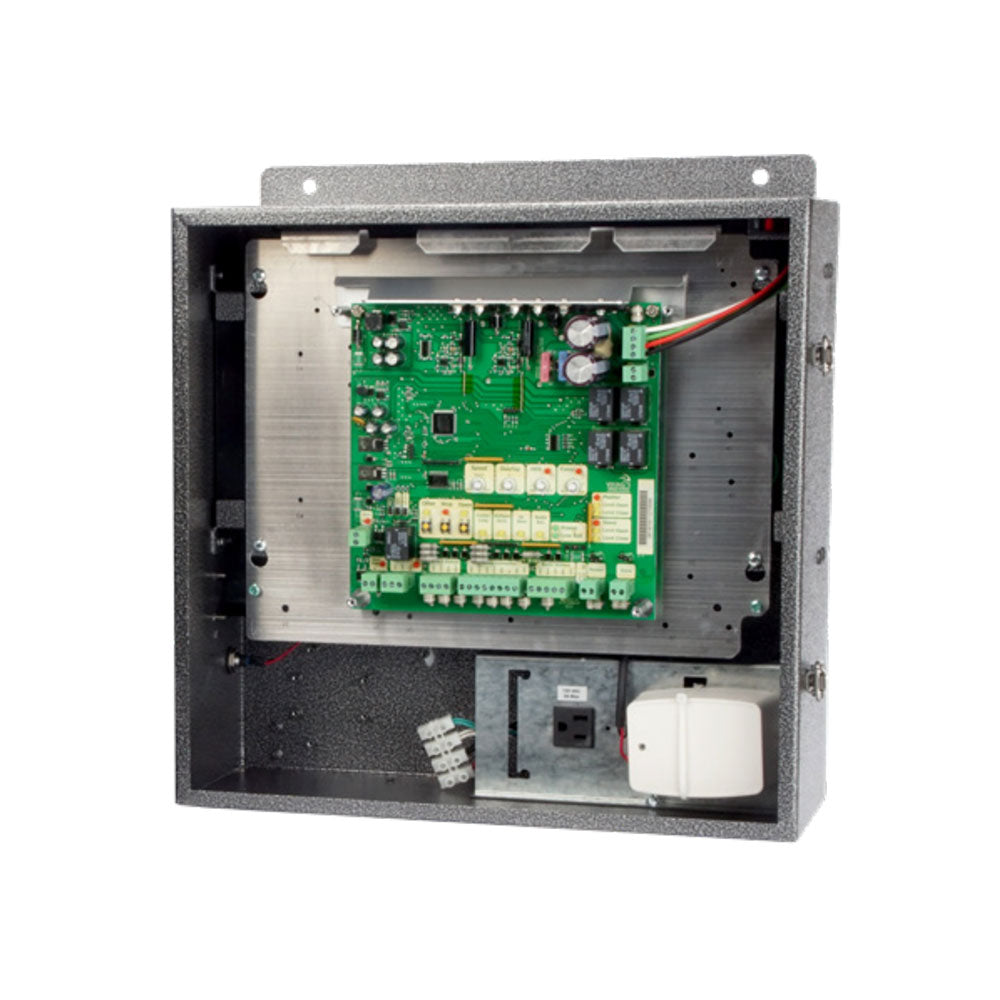
Call a Pro: if power checks out but the gate remains unresponsive, as the issue likely lies within the motor control board or internal wiring.
2. Issue: Gate Stops, Reverses, or Does Not Fully Close
A gate that reverses or stops before latching leaves the perimeter unsecured, inviting unauthorized entry. This is often an issue with the safety sensor (photo-eye) being triggered, potentially by an obstruction or misalignment.

DIY First: This is a common problem best solved by inspecting and cleaning the safety sensors. Look for dirt, spiderwebs, or debris blocking the beam, and ensure the sensors are perfectly aligned (often indicated by an LED light on the receiver). Use a soft cloth to clean the lenses.
Call a Pro: if cleaning and realignment do not resolve the issue, as it may indicate an internal short, a faulty sensor component, or a control board error requiring specialized tools for diagnosis.
3. Issue: Slow, Jerky, or Stuttering Movement
While the gate still functions, slow or erratic movement is a clear warning sign of impending mechanical failure. It significantly increases the time your gate is in a vulnerable, partially open state, making the delay a security risk during operational hours.
DIY First: Lubrication and inspection are your best initial steps. For sliding gates, clear the tracks of all debris. For all gate types, apply appropriate lubricants to the hinges, rollers, and moving components. This often restores smooth operation.
Call a Pro: immediately if the motor is straining, overheating, or if the movement remains erratic after lubrication, as it suggests internal gear damage, a failing motor capacitor, or voltage issues that require professional replacement and calibration.
4. Issue: Gate Makes Unusual Grinding or Loud Scraping Noises
Abnormal noises signal severe mechanical wear, loose hardware, or structural misalignment. This wear compromises the structural integrity of the gate, making it vulnerable to forced entry and risking complete operational failure, which necessitates immediate manual intervention.

Call a Pro: While you can inspect for obvious loose bolts or track obstructions, grinding or scraping often means structural misalignment, worn gears, or major friction within the internal mechanism of the gate opener itself. These repairs typically require welding, realignment of heavy gate components, or replacement of internal motor parts—tasks that demand specialized equipment and training to ensure both safety and long-term reliability.
5. Issue: Remote Control Only Works at Close Range
Reduced remote range creates a significant inconvenience for residents, forcing them to stop their vehicle outside the gate for an extended period to activate the opener. This delay is a security vulnerability, as the driver is exposed and stationary while waiting for access.

DIY First: First, replace the remote battery. If the problem persists, check the gate receiver antenna; ensure it is not blocked by metal, damaged, or disconnected. You can often safely adjust or clean the antenna.
Call a Pro: if the battery and antenna checks fail to improve the range. The issue is likely a failure in the receiver board, an internal electrical fault, or radio frequency interference that requires a technician to diagnose the electronics and possibly replace the receiver unit.
Secure Your Perimeter with Confidence
Effective gate maintenance is a blend of vigilance and informed decision-making. By applying basic troubleshooting steps—checking power, clearing debris, and lubricating moving parts—you can resolve many common issues yourself, saving money and ensuring rapid operational recovery. However, once the problem points to the motor, control board, or heavy mechanical alignment, professional intervention is not just a convenience, but a necessary security and safety investment.
Contact our certified gate and access control experts today to schedule a comprehensive diagnostic service or to inquire about our proactive preventative maintenance plans, securing your peace of mind and your perimeter for the long term.