Skip to content

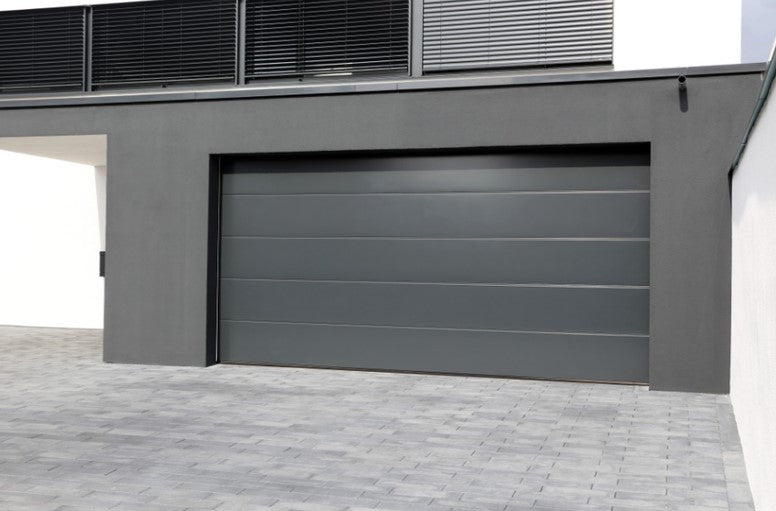
An overhead door garage door opener plays a pivotal role in keeping businesses moving and properties secure. These openers are specifically designed for high-traffic areas where headroom is minimal and are primarily used in serving gated communities, commercial buildings, apartment complexes, and industrial sites.
However, like any other machinery, frequent use can take a toll on them and cause them to act finicky or become completely unresponsive. This can disrupt your daily commute and lead to an expensive repair.
But what if we say that it is not necessary?
Below are some simple fixes you can try to solve common overhead door opener issues and set things right.
Check the Power Outlet
If your overhead door opener fails to operate, a disrupted power supply could be a possible reason.
In most cases, this disruption might occur because of an unplugged opener or burned-out circuitry.
Start by checking the power outlet and ensuring the cord is plugged in. Next, inspect the outlet to see if it works by plugging another electronic device into it.
If the outlet fails to power the device, it is faulty and needs replacement. Additionally, check the fuse box for any tripped or blown-out fuse.
Check the Photo Eye Sensor
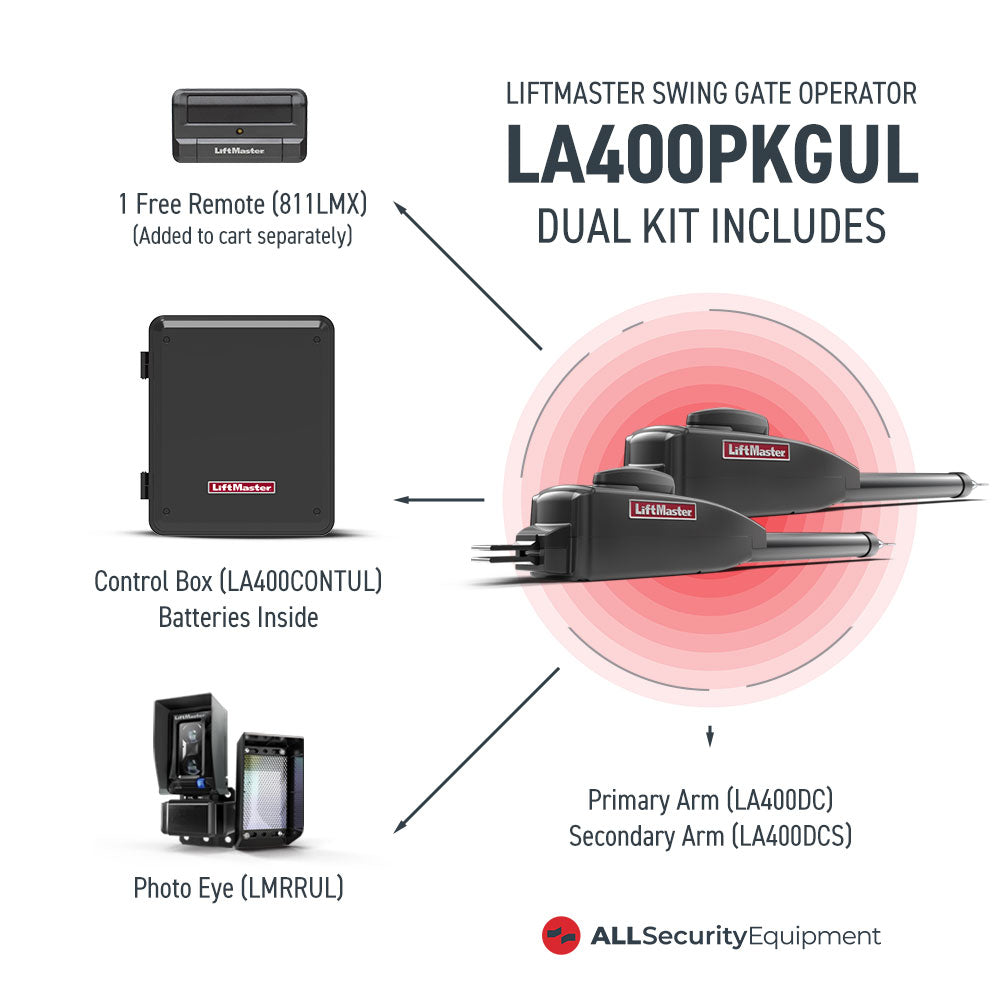
Photo eye sensors are a crucial component of any garage door opener. Their function is to detect if anything is underneath the door and check whether the line of view is clear before closing the door.
Despite the clear sight path, photo sensors can sometimes cause the door not to descend completely or move back up. This often occurs due to dirty sensors, and you can solve this by using a soft, dry cloth to clean any dust, snow, or debris from the sensor eyes.
If the door does not work even after cleaning the eyes, then misaligned sensors can be the cause. Sometimes these sensors can move out of their position if a bolt comes loose or something knocks them off.
To resolve this, gently align them at the same angle and direction to bring them back to their rightful place.
Adjust the Limit Setting
Aside from the photo sensors, an opener's limit setting is another safety measure that guides the system in the shutting-down process. If the setting is incorrect, your door may not fully open, close, or reverse mid-way.
You can quickly locate the set buttons on the back of the motor and adjust the settings depending on the issue you are experiencing.
Garage door not closing completely:
- Close the garage door by pressing the button and measure the gap between the ground and the door.
- Adjust the “Down” limit switch by turning the screw counterclockwise. Each turn equals three inches so adjust accordingly.
- Test the door and readjust, if needed.
Garage door not opening completely:
- Open the garage door by pressing the button and measure the distance between the top and bottom of the garage door.
- Adjust the “Open” limit switch by turning the screw clockwise. Each turn equals three inches so adjust accordingly.
- Test the door and readjust, if needed.
Garage door reversing mid-way:
- Close the garage door by pressing the button.
- Adjust the “Down” limit switch by turning the screw clockwise until the door remains closed.
- Test the door several times and readjust if needed.
Adjust the Sensitivity
Misadjusted sensitivity settings are another reason behind the wacky not-opening/closing fault. This problem is common with newly installed openers with arbitrary factory settings that do not comply with your garage door.
Sensitivity settings inform the opener about the required force needed to raise the door and can cause operational difficulties when misadjusted.
You can adjust these settings through the pressure switch bolt on the back of your overhead garage door opener. This can be tricky. Therefore, leaving the job to a repair technician is a wise decision to avoid future troubles.
Change the Batteries
Power access is a must on both ends for an opener to work. If your overhead door opener is not responding to the remote, expired batteries can be a possible reason.
Slide off the back cover and replace the drained batteries with the new ones to get your remote back in working order.
Check the Antenna
The antenna might be the culprit if the opener does not budge even after installing new batteries. Its function is to pick up signals from the remote and convey them to the door to initiate its opening.
Check the antenna and make sure it is pointing downwards and is not broken or damaged.
Reprogram the Remote
Reprogramming the remote is another trick you can try to fix an unresponsive overhead door opener. The entire process is straightforward and involves pressing several buttons. Nonetheless, here is a step-by-step guide to reprogramming your opener's remote.
Lubricate the Motor
Noisy overhead door openers are another nuisance that can wake you up at night. Some are louder than others, depending on the operating speed, gear assembly, and drive style. Grounded gear, lack of lubrication, and loose braces are common reasons behind the noisy operation of a garage door system.
A rattling sound is often produced by unadjusted screws or loose bolts, while a grinding noise indicates that the motor needs to be lubricated.
Lubricating the motor can solve the problem to a great extent. It reduces friction and results in smoother and quieter operation.
Remove the gearhead of the automatic garage door opener and generously apply lubricant to the inside cap and outer parts. Put the cap back on and reattach the screws.
Trust Us to Help You Out!
Usually, when an overhead door garage door opener suddenly starts acting up, the root of the problem is easy to understand and solve on your own as a homeowner.
But it is best to leave garage door repair to the expert technicians or garage door service when there is any physical damage or a problem you can't identify.
Our team of experts is always ready to tackle any garage door problems. With us, you can rest assured knowing that we will provide you with the best solution to keep your home safe and secure. Feel free to contact us to learn more about our services!