Skip to content

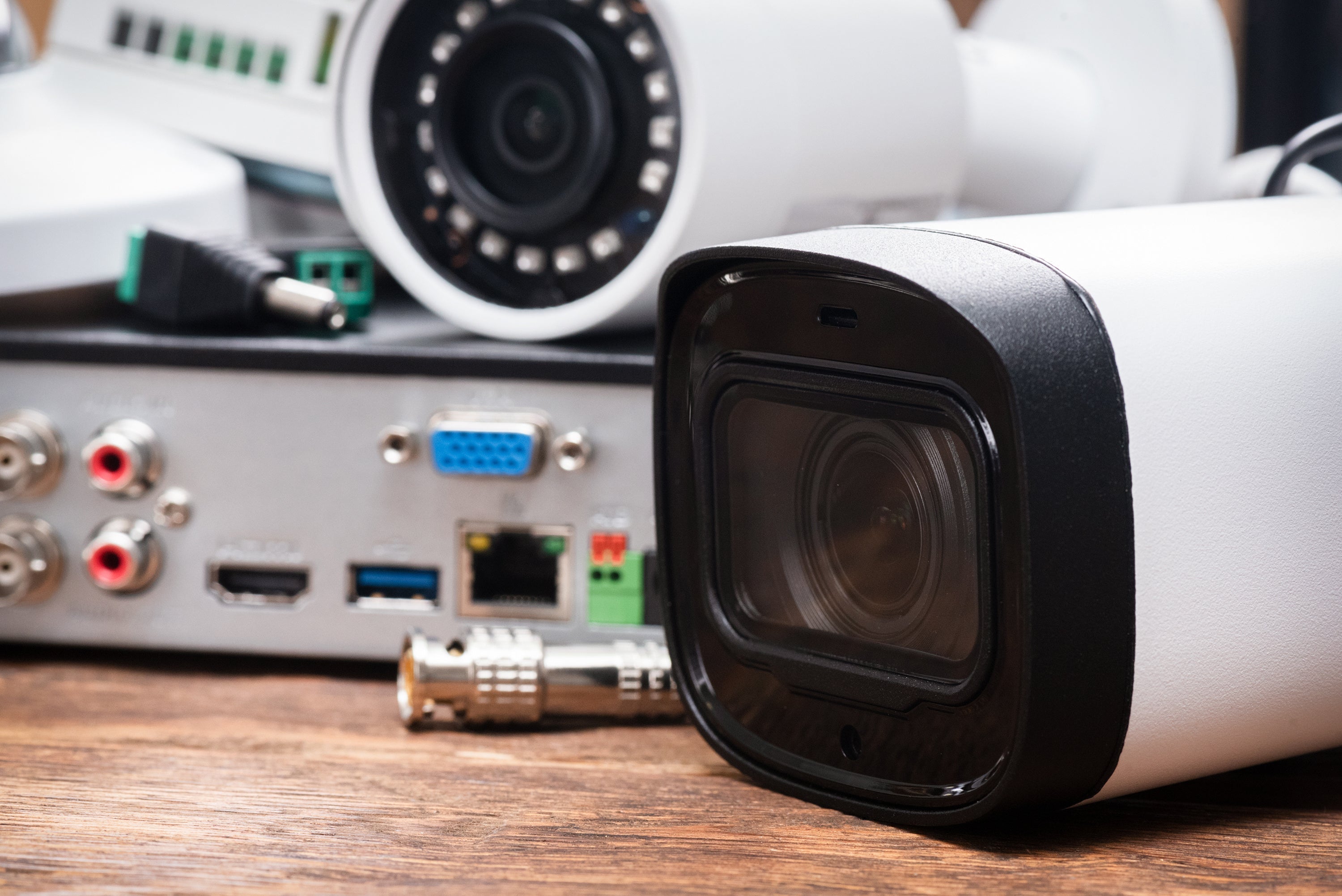
Modern security systems rely on many components working together, but the video recorder is one of the parts that most systems depend on for storing, organizing, and accessing footage. In most on premise setups, the recorder acts as the memory and central hub that makes your cameras useful long after an event occurs.
A camera can show what is happening right now, but the recorder preserves what happened earlier. For businesses, homes, and commercial facilities, this ability to review and store evidence is why recorders remain a central part of reliable video surveillance.
This guide explains why video recorders matter, how they support different camera types, and why they are essential for long term protection.

1. Recorders Keep Footage Organized and Easy to Review
Most security systems depend on recorders to store and manage video. While some systems use cloud storage or camera built in recording, a dedicated recorder gives you a central place to review, search, and export footage.
A recorder allows you to:
-
Store video for days, weeks, or months
-
Search by date, time, or event
-
Access recordings from various devices
-
Export clips for investigations
-
Protect important evidence
These features make recorders one of the most important parts of recording systems used in homes and businesses.
Browse available recorders here:
Shop Video Recorders
2. NVRs, DVRs, and Hybrid Systems
There are several types of recorders, and each works with different camera setups.
Network Video Recorders
NVRs work with IP Cameras and support high resolution video, strong network performance, and advanced features. They are common in modern installations and expanding systems.
Digital Video Recorders
DVRs work with coaxial cameras and are often used during cctv upgrades when you want to reuse existing wiring.
Hybrid Systems
Many newer recorders support both coaxial and IP inputs. This allows businesses to add new technology without replacing every camera at once.
These options make it easier to build a system that fits your property and long term needs.
3. Recorders Support Higher Resolution and Better Stored Footage
A recorder plays a major role in how video is stored and accessed. Cameras often handle much of the image processing, but the recorder must still support the camera’s resolution, frame rate, and compression to preserve video quality.
A high quality recorder helps ensure:
-
Clear footage
-
Smooth playback
-
Efficient storage use
-
Better evidence retention
Good recorders preserve the camera’s output so you do not lose important detail.
4. Recorders Support Smart Analytics Through System Integration
Many security systems use video analytics to detect motion, identify people or vehicles, trigger alerts, or highlight unusual activity. Depending on the design, analytics may run on the camera itself, the recorder, or a cloud based video management system.
Examples include:
-
Motion detection
-
Line crossing alerts
-
Object left or removed
-
Vehicle or person detection
-
Real time notifications
Recorders help receive, organize, and display these analytics so operators can act quickly. This is one reason recorders remain a key part of business security systems.
5. Recorders Help You Review Coverage and Spot Blind Spots
Recorders do not fix blind spots by themselves, but they help you review multi camera layouts and see where coverage might be lacking. By watching recorded video and switching between views, you can identify areas that need new angles or extra cameras.
Recorders help you:
-
Compare different camera positions
-
Strengthen coverage
-
Improve system design over time
For mobile and remote environments, explore:
Mobile Surveillance Solutions
6. Recorders Make Evidence Retrieval Fast and Reliable
When an incident happens, fast access to footage is crucial. A good recorder makes this easy.
Recorders allow you to:
-
Search by time or event
-
Bookmark important moments
-
Download clips for law enforcement
-
Review incidents from various devices
-
Protect recordings from accidental loss
These features help reduce investigation time and improve response to incidents.
7. Recorders Strengthen Compliance and Business Protection
Businesses use stored video to verify policies, monitor safety practices, resolve disputes, and meet insurance or regulatory requirements. Recorded footage is essential for reviewing incidents and supporting investigations.
Recorders assist with:
-
Theft prevention
-
Employee safety
-
Incident documentation
-
Insurance claims
-
Protection of assets
They support many of the goals of a complete security system, especially when paired with high quality cameras.
Explore related surveillance tools here:
Video Surveillance Collection
8. Recorders Connect With Access Control and Other Security Tools
Modern recorders integrate with access control systems, alarms, sensors, and intercoms. When something happens such as a door alarm or forced entry, the recorder can show the video that matches the event.
This type of integration helps create a unified security solutions platform that gives operators more context and faster response during incidents.
Recorders help link together:
-
Camera feeds
-
Access events
-
Alarm triggers
-
Intercom activity
This makes the entire system more useful and easier to manage.
9. Recorders Are Important During System Upgrades
When modernizing a security system, the recorder is often one of the first pieces to update. Many organizations want better clarity, longer storage, improved reliability, or stronger analytics.
A recorder upgrade helps you:
-
Use new cameras
-
Increase storage
-
Improve playback
-
Support more channels
-
Reduce downtime
Recorders make cctv upgrades smoother, even when parts of the system are replaced later.
10. Recording Systems Can Scale With Your Property
Recorders are flexible and work in many environments, from home studios to large commercial facilities. They support more cameras, more storage, and more advanced features as your site grows.
Recorders provide:
-
Scalable storage
-
Multi camera support
-
Cloud or hybrid backup
-
Remote management
-
Redundant footage protection
This makes them a long term investment for any business or property.
11. How Recorders Improve the Performance of Security Cameras
A video recorder does not replace the work of your security cameras, but it supports them and helps the entire cctv system run more efficiently. Cameras capture video at the edge, and the recorder organizes everything they send. When both parts work well together, the result is a stronger, more reliable video surveillance system.
Recorders help your cameras by:
-
Managing camera bandwidth
-
Supporting multiple camera models
-
Handling different image settings
-
Organizing camera groups and layouts
-
Giving operators a simple dashboard to see activity
Even basic cameras become more useful when paired with a strong recorder. It gives you one place to manage streams, check health status, adjust settings, and make sure nothing is missed during important events.
12. Recorders Improve System Reliability During Network or Power Issues
Many users do not realize how important a recorder is until the network has a problem. If a cloud based system loses connection, footage may be incomplete. In most on premise systems, the recorder stores video even if the internet goes down.
Because the recorder manages all incoming camera streams, it helps ensure your cctv system continues recording during:
-
Network interruptions
-
Internet outages
-
Temporary camera dropouts
-
Power events, when paired with a backup UPS
This ability to keep recording gives your site stronger evidence protection and reduces the risk of missing important moments.
13. Recorders Support Mixed Camera Technologies
Modern facilities often have a mix of older coaxial cameras and new IP cameras. A recorder can help bring these systems together, especially if you use a hybrid or encoder based design. When businesses upgrade part of their system, the recorder makes it easier to transition without replacing everything at once.
Recorders help unify a mixed video surveillance system by supporting:
-
Different video resolutions
-
Varied camera ages and brands
-
Multiple transmission types
-
Both analog and IP feeds
This is one reason recorders remain a flexible and cost effective part of an upgrade path, especially during cctv upgrades.
14. Recorders Support Real Time Monitoring and Faster Response
Live viewing is helpful, but real time alarms connected to the recorder give security teams faster and clearer information during emergencies. When combined with analytics running on the camera or recorder, operators can immediately see which camera triggered an alert.
Recorders can also display:
-
Multi camera grids
-
Pop up alerts
-
Smart playback tools
-
Real time status notifications
This improves awareness and helps teams react to events more quickly. In many cases, the recorder becomes the main tool used by guards and managers to monitor activity throughout the property.
15. Why Recorders Remain a Key Part of Modern Security Systems
Even with cloud storage options available, recorders remain a critical part of most security designs because they offer:
-
Local storage control
-
High reliability
-
Fast access to evidence
-
Flexible camera support
-
Lower long term cost
-
Better integration with on site equipment
For many organizations, the recorder is the part of the system that ties everything together. It is where video is stored, searched, analyzed, and shared. In most business security systems, it is the tool that operators use every day.
Conclusion
Video recorders play a central role in most security setups because they store footage, support analytics, organize events, and make evidence easy to retrieve. Whether you are building a new system or upgrading an older one, choosing the right recorder will help your cameras perform at their full potential.
Explore reliable recorders for all system sizes here:
Shop Video Recorders