Skip to content

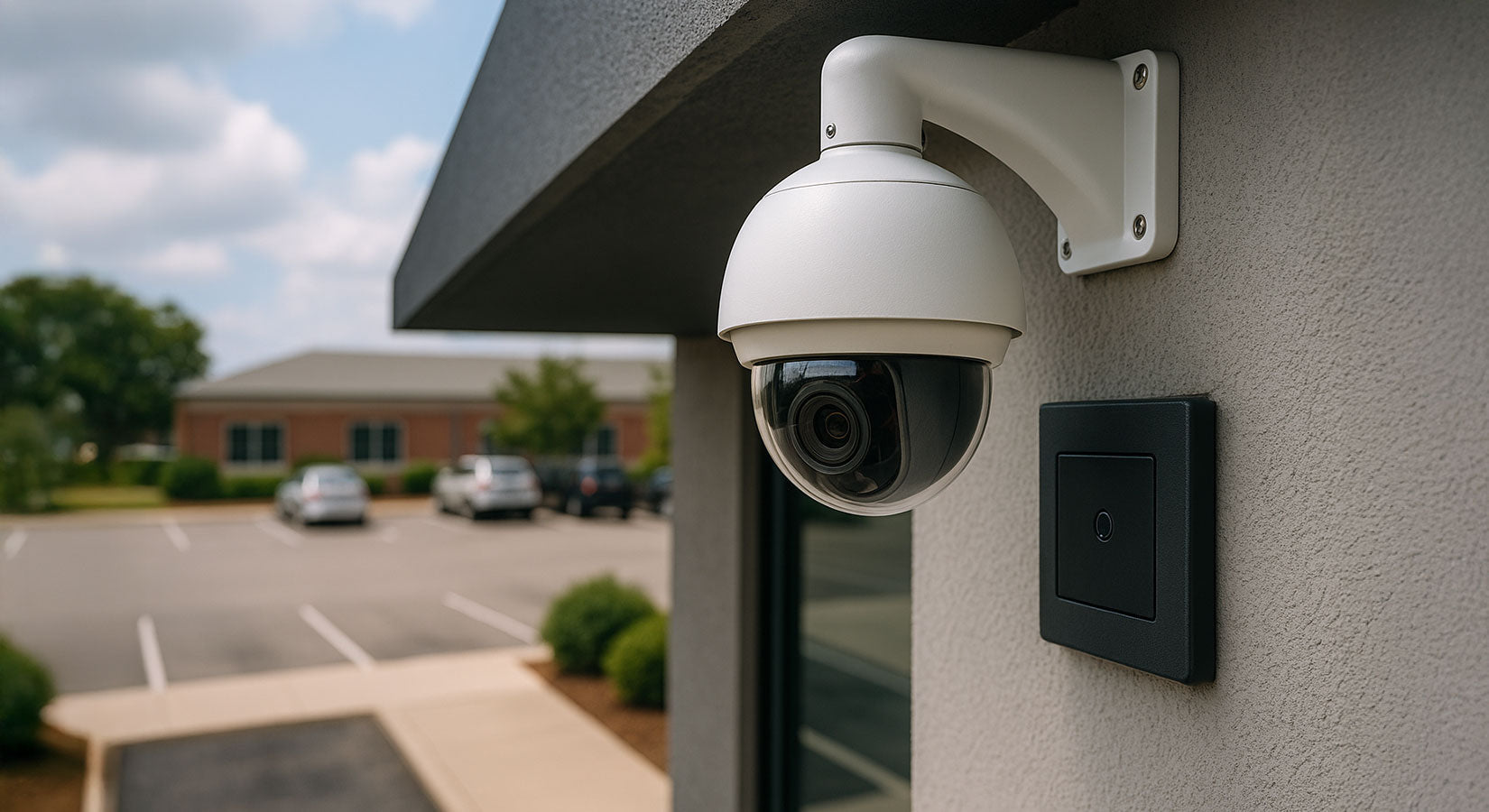
When you upgrade your business security systems, one of the biggest decisions is choosing between analog cameras and IP cameras. Both can help protect your building, staff, and assets—but they work differently, cost differently, and scale differently.
This guide explains, in simple terms, how analog and IP cameras compare, and which one is better for your video surveillance system, whether you manage a warehouse, office, store, industrial facility, or even home studios with expensive audio interfaces and recording gear.
What Are Analog Cameras?
Analog cameras are the “classic” CCTV option. They send video over coaxial cables to a DVR, which records and stores the footage.
Pros of Analog Cameras
-
Lower upfront cost
-
Simple to install, especially if coax cables are already there
-
Reliable for basic monitoring
-
Not dependent on your network or internet
Cons of Analog Cameras
-
Lower image quality than IP (even with HD analog)
-
Limited smart features (no built-in analytics)
-
More cabling (separate power and video)
-
Harder to scale across large buildings or multi-site setups
Analog is a good fit if you just need simple, always-on recording and you want to keep costs down.

What Are IP Cameras?
IP (Internet Protocol) cameras send digital video over Ethernet to an NVR or cloud-based system. They are the backbone of modern video surveillance systems because they support HD/4K video, smart analytics, and remote access.
If you want a deeper look at how NVR setups work, check out the guide on the best NVR systems for small business security.
Pros of IP Cameras
-
High resolution (HD, 4K, and higher)
-
Smart features like motion zones, person/vehicle detection, and alerts
-
Remote viewing from a phone, tablet, or computer
-
Power over Ethernet (PoE) means one cable for power and data
-
Easy to scale across multiple buildings and outdoor areas
-
Integrates well with access control, alarms, and modern recording systems
For a simple explanation of how IP cameras and NVRs connect, see this NVR camera overview.
Cons of IP Cameras
-
Higher initial hardware cost
-
Requires a solid network
-
Slightly more complex to configure than analog
Analog vs IP at a Glance
|
Feature |
Analog Cameras |
IP Cameras |
|
Video Quality |
Up to 1080p (HD analog) |
HD, 4K, very high detail |
|
Smart Features |
Very limited |
Strong AI and analytics |
|
Cabling |
Coax + power |
Single Ethernet (PoE) |
|
Best Use Case |
Small spaces, basic setups |
Larger sites, growth, outdoors |
|
Recorder Type |
DVR |
NVR or cloud |
|
Scalability |
Moderate |
Excellent |
When Analog Cameras Make Sense
Analog cameras are still a solid choice in some situations:
1. You Already Have Coax in Place
If your building already has coax runs from an old CCTV system, upgrading to newer analog cameras can be fast and cost-effective.
2. You Need a Basic, Low-Cost System
Small offices, simple storage rooms, back-of-house areas, or low-risk locations can often be covered with analog without overbuying.
3. You Don’t Need Smart Alerts
If no one is checking alerts or using analytics, analog gives you straightforward recording without extra complexity.

When IP Cameras Are the Better Choice
For most modern commercial security projects, IP is the smarter, future-ready choice.
1. You Need Clear, Detailed Footage
IP cameras are ideal for entrances, parking lots, cash registers, inventory areas, and any place where you may need to zoom in later to see faces, license plates, or small details.
2. You Want Smart Features and Alerts
IP systems can send notifications when they detect motion in a certain zone, a person in a restricted area, or a vehicle at a gate—reducing the need to watch live feeds all day.
3. You’re Protecting Large or Growing Sites
If your property will expand, or you manage multiple locations, IP makes it easy to add cameras without redoing your whole cabling plan.
4. You Need Strong Outdoor Security
For outdoor areas, you’ll want tough cameras with good night vision and weather resistance. You can explore top options in this guide to the best outdoor security cameras.
If your cameras will be exposed to high heat or direct sun, this article on how to protect outdoor security cameras in the summer heat walks through practical steps to keep them performing well.
5. You Want to Protect High-Value Equipment
IP cameras are perfect for home studios, small recording spaces, and businesses with valuable audio interfaces, computers, and studio equipment, because you can check in remotely and review high-detail footage when needed.
Hybrid Systems: A Smart Upgrade Path
You don’t always have to choose one or the other. Hybrid systems let you:
-
Keep your existing analog cameras on coax
-
Add IP cameras in key areas (entrances, cash wraps, parking lots)
-
Use a hybrid DVR/NVR that supports both technologies
-
Upgrade in phases instead of all at once
This approach is very popular for cctv upgrades in older buildings.
Security & Cybersecurity: Analog vs IP
Analog
-
Great for local-only systems
-
Less exposure to cyber threats because they don’t ride on your network
-
Still vulnerable if someone gains physical access to the DVR or cabling
IP
-
Supports encrypted video streams
-
Allows secure logins with user roles and passwords
-
Receives firmware updates to patch vulnerabilities
If you’re concerned about cybersecurity, compliance, or remote access, IP wins here.
DVR vs NVR: What You Need to Know
Your choice of camera determines your recorder:
DVR (for Analog Cameras)
-
Connects via coax
-
Has a set number of BNC inputs
-
Best for basic, local recording
-
Not ideal for very large systems or multi-site setups
NVR (for IP Cameras)
-
Connects to cameras over the network
-
Supports high-resolution video
-
Often allows remote access via app or browser
-
Scales well as your system grows
To help compare NVR options and features, the best NVR systems for small business security article is a great starting point.
Real-World Use Cases
-
Warehouses: IP cameras with wide-angle lenses to cover aisles, docks, and yard space.
-
Retail Stores: IP for entrances, POS, and high-shrink areas.
-
Restaurants: IP for dining areas, back-of-house, and delivery doors.
-
Office Buildings: Analog can cover hallways; IP is better for main entrances, parking, and lobbies.
-
Car Dealerships: IP with zoom and plate capture to monitor outdoor lots.
-
Construction Sites: Wireless IP for flexible, temporary coverage.
-
Healthcare: IP for better integration with access control and monitoring services.
-
Home Studios: IP to keep an eye on rooms with recording systems, instruments, and expensive audio gear.
So… Which Should You Choose?
Here’s the simple rule:
-
Choose analog if you want a budget-friendly, basic system that can reuse existing coax wiring.
-
Choose IP if you want sharp video, smart features, remote access, and room to grow.
If you’re planning a new system or upgrading an old one, IP is usually the better long-term investment for commercial security.
To explore compatible cameras, NVRs, and accessories, browse the video surveillance collection on All Security Equipment.