Skip to content

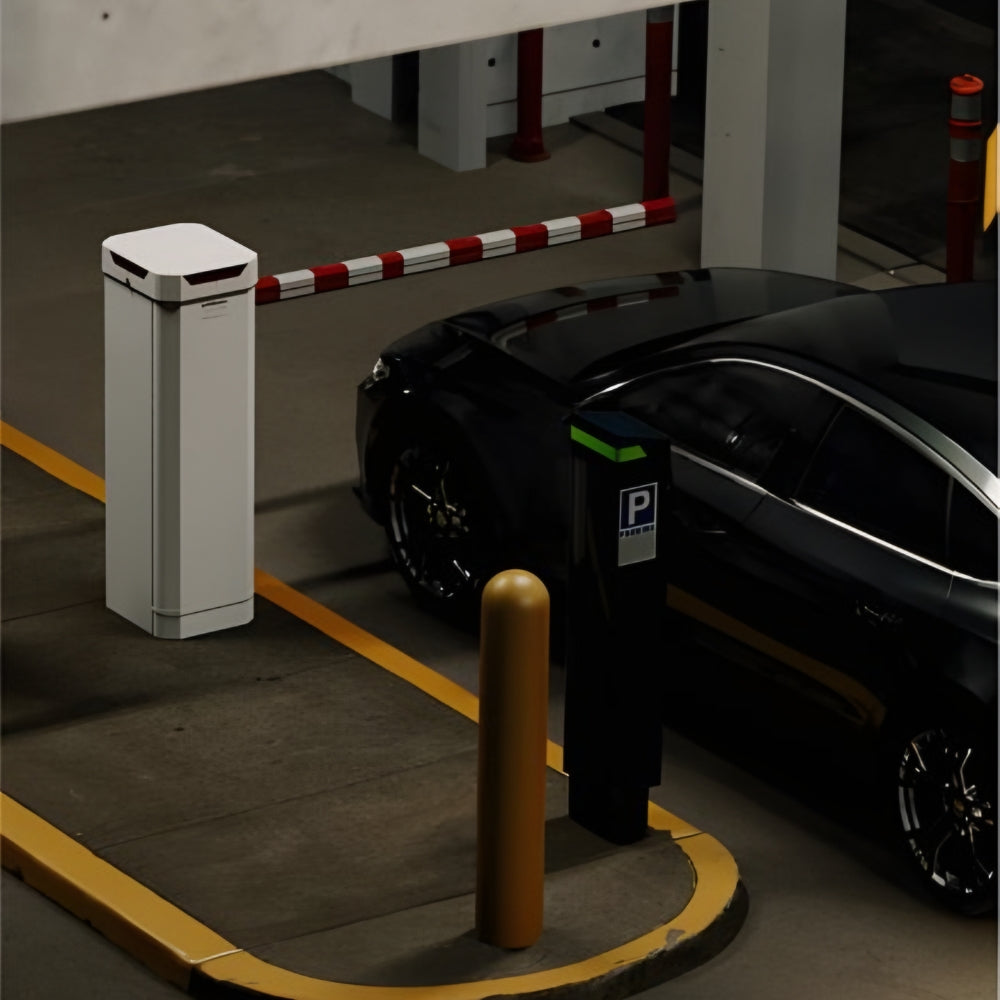
Parking areas can quickly become disorganized without proper management. Residential communities, office buildings, hospitals, and commercial properties often handle hundreds of vehicles every day.
Without a system in place, vehicles may enter restricted areas, take reserved parking spaces, or create traffic congestion near entrances.
A parking control system helps solve these problems. It manages how vehicles enter and exit a parking facility and controls who can access the parking area.
Modern parking control systems use automated parking technologies, access control systems, and barrier gates to manage vehicle movement. These systems help property owners protect parking spaces, improve security, and keep traffic flowing smoothly.
Parking control systems are now common in parking garages, parking lots, residential communities, and commercial properties.
What Is a Parking Control System?
A parking control system is a system designed to manage vehicle access to a parking facility.
The system controls who can enter and exit the parking lot or parking garage. It also helps monitor vehicle activity inside the parking area.
Many modern systems are part of a larger parking access and revenue control system. These systems allow operators to control vehicle access while also tracking parking usage and payments.
A parking control system usually includes several technologies that work together, such as:
-
Barrier gates
-
Access control technologies
-
License plate recognition cameras
-
Parking management systems
-
Vehicle detection sensors
These components create a secure and organized parking environment.

How a Parking Control System Works
Most parking control systems follow a simple process to manage vehicles entering and leaving a parking facility.
When a vehicle approaches the entrance, the system checks whether the vehicle is authorized to enter.
The driver may present an access credential such as:
-
A key card
-
A mobile credential
-
A remote transmitter
-
A keypad code
Some systems also use license plate recognition to identify vehicles automatically.
If the system verifies the vehicle, it opens the barrier gate and allows the car to enter the parking lot.
When the vehicle exits, the system may verify access again or automatically open the gate depending on the setup.
This automated process helps property managers control parking access and track vehicle activity in real time.
Key Components of a Parking Control System
A modern parking control system includes several technologies that help manage parking access and traffic flow.
Barrier Gates
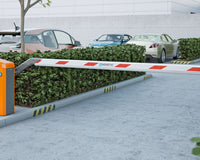
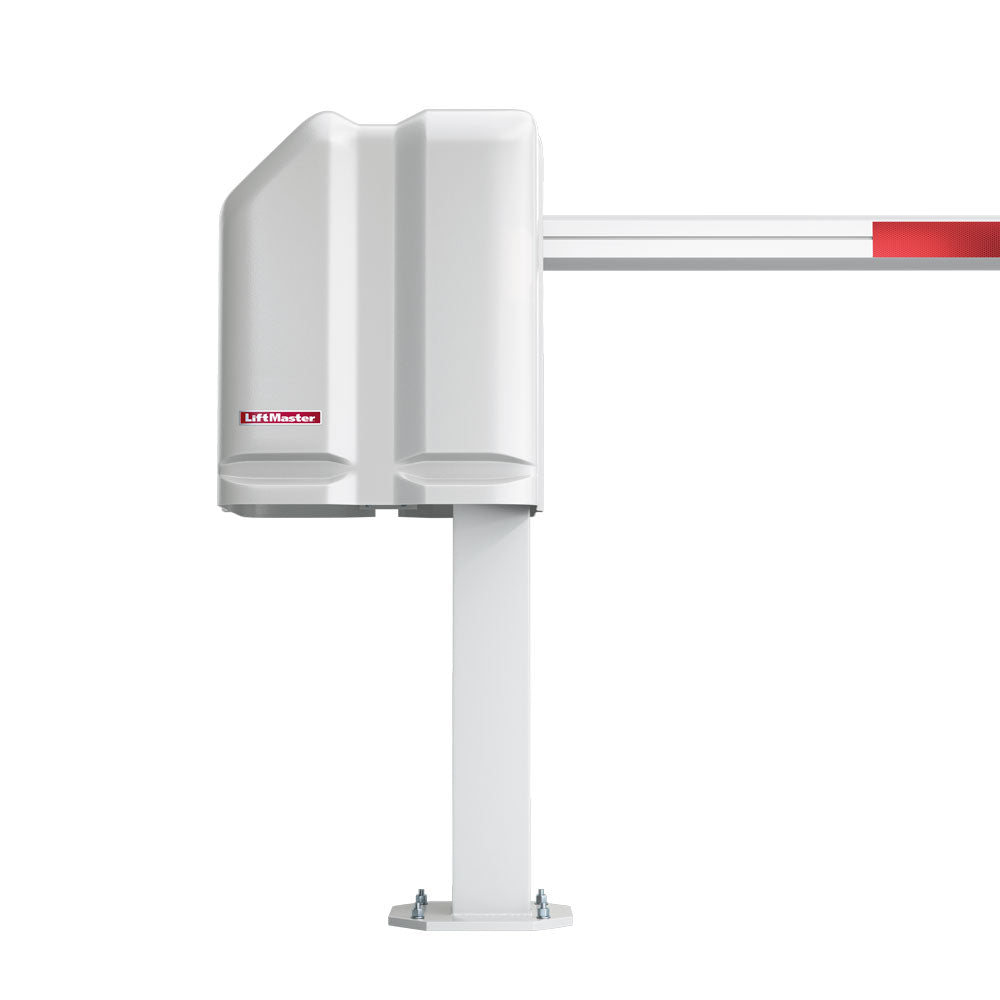
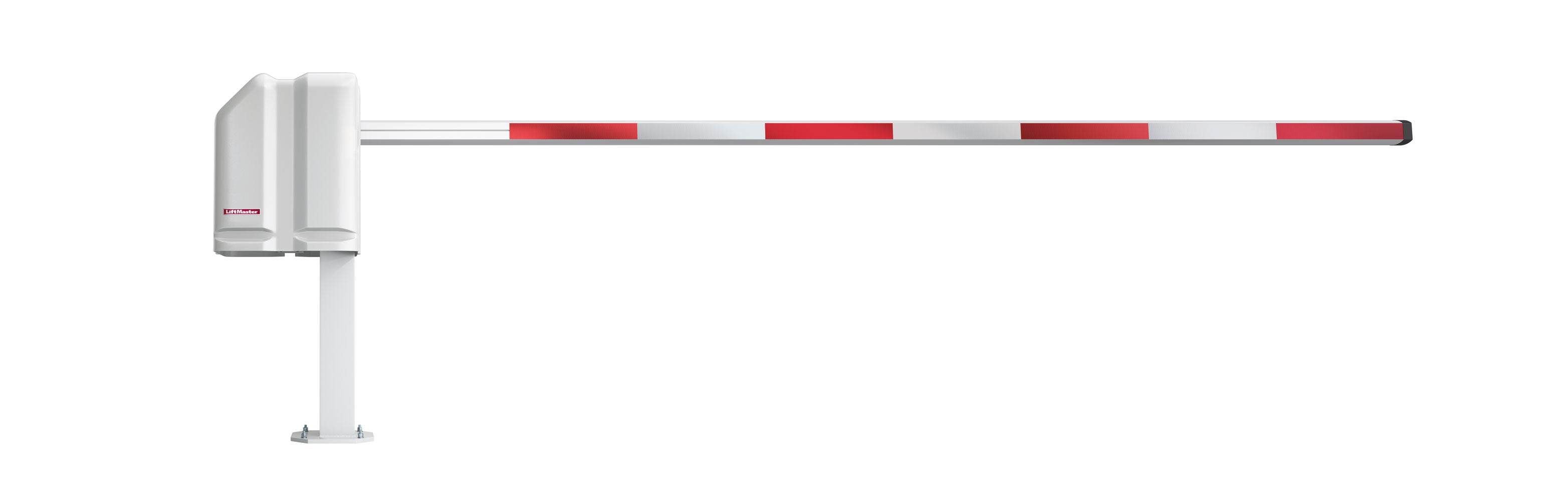
Barrier gates are one of the most visible parts of a parking control system. These gates open and close to control vehicle entry and exit.
Barrier gates are commonly used in parking garages, gated communities, office buildings, and commercial parking lots.
They prevent unauthorized vehicles from entering restricted parking areas.
You can explore available options in the parking barrier gate collection.

Access Control Systems
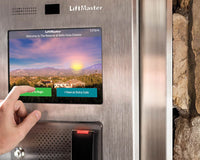
Access control technologies verify whether a driver has permission to enter the parking facility.
These systems may use key fobs, access cards, keypads, or mobile credentials.
Property managers can assign access permissions to employees, residents, or visitors. This allows them to control who can use the parking area.
You can explore these technologies in the access control collection.
License Plate Recognition
Some advanced parking control systems use license plate recognition (LPR) to identify vehicles automatically.
LPR cameras scan license plates when vehicles approach the entrance or exit.
If the system recognizes the plate as authorized, it opens the barrier gate automatically.
License plate recognition is commonly used in automated parking systems, commercial parking facilities, and high-security locations.
Bollards and Physical Barriers
Bollards are another important element in many parking systems. These physical barriers help guide vehicles and protect buildings or pedestrian areas.
Bollards can prevent vehicles from entering restricted zones and help direct traffic through designated lanes.
You can explore available products in the bollards collection.
Parking Management Systems
Parking management systems provide software tools that help operators monitor parking activity.
These systems track information such as:
-
Vehicles entering and exiting the parking facility
-
Parking space availability
-
Parking usage trends
-
Revenue for paid parking
This data helps property managers improve parking operations and optimize space usage.
To explore complete solutions, visit the parking systems collection.
Where Parking Control Systems Are Used
Parking control systems are used in many environments where vehicle access must be managed carefully.
Residential Communities
Apartment complexes and gated communities often use parking control systems to restrict parking to residents and authorized guests.
Office Buildings
Many office buildings use parking access control systems to manage employee parking areas.
Hospitals and Medical Centers
Hospitals often manage large volumes of vehicles every day. Parking control systems help organize traffic and guide drivers to available parking spaces.
Commercial Properties
Shopping centers, hotels, and entertainment venues often use automated parking systems to manage large parking lots.
Industrial Facilities
Industrial properties may use parking control systems to manage employee parking and control access to secure areas.
These systems help keep parking areas organized and reduce traffic congestion.
Benefits of a Parking Control System
Installing a parking control system provides several benefits for property owners and facility managers.
First, it improves security by restricting access to authorized vehicles.
Second, it helps organize vehicle traffic and reduce congestion near entrances and exits.
Third, automated parking systems help operators monitor parking activity in real time.
Property managers can also use parking management software to understand how parking spaces are used and make improvements when needed.
These systems also reduce the need for manual supervision, which saves time and improves efficiency.
How Parking Control Systems Improve Parking Management
Managing parking manually can be difficult, especially in busy parking facilities.
Automated parking control systems simplify this process. They guide vehicles into the facility, verify access permissions, and control entry and exit points.
These systems also help drivers find parking spaces faster by reducing confusion at entrances.
As parking demand increases in cities and commercial areas, advanced parking management systems are becoming more important.
Modern parking facilities rely on vehicle access control, automated parking technologies, and real-time monitoring to keep traffic organized.
To explore equipment used in modern parking facilities, visit the parking systems collection, which includes solutions designed for parking garages, parking lots, and secure vehicle access points.