Skip to content

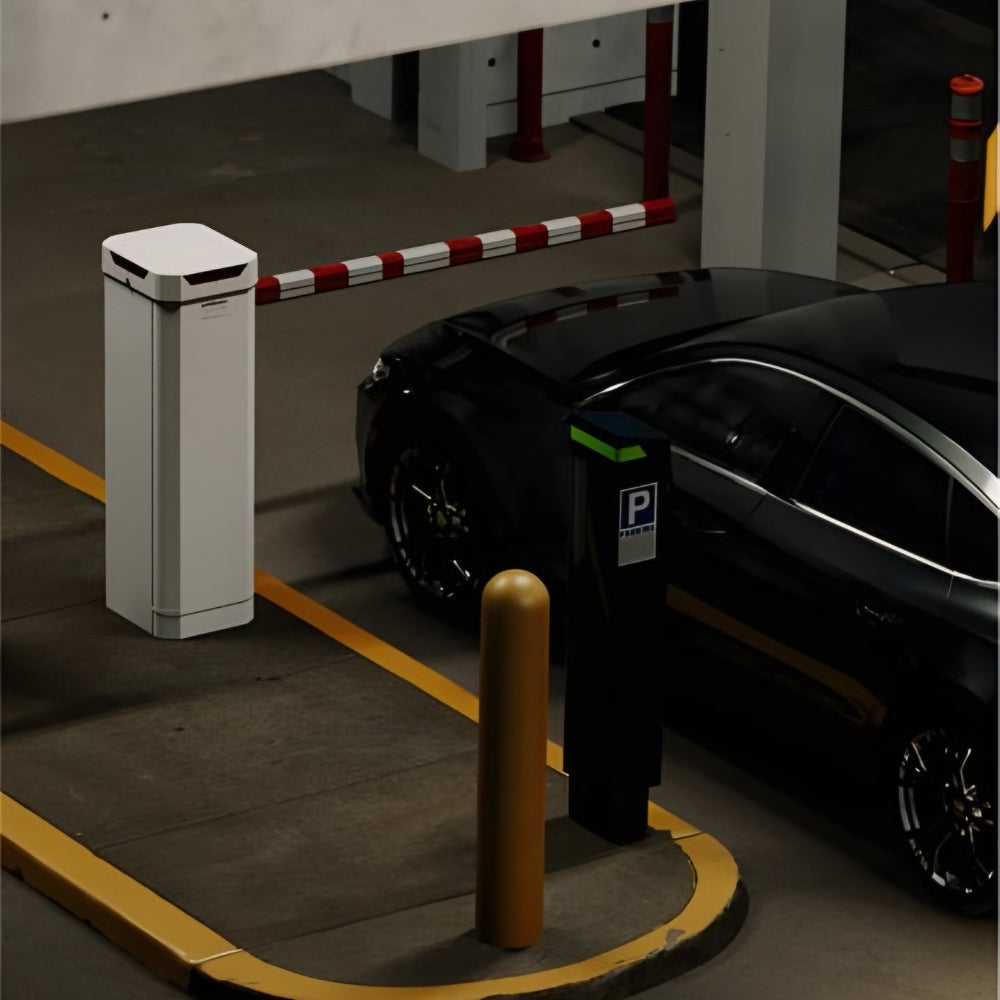
Every parking lot owner eventually asks the same question: do I need a barrier gate, a full parking lot access control system, or both? A barrier gate controls traffic, an access control system controls people, and the right choice depends on which problem is actually costing you money.
This guide walks through what each one does, where each one fits, and how to combine them without paying for hardware you don’t need.
What each system actually does
The two get lumped together because they often live at the same entrance, but they solve different problems.
-
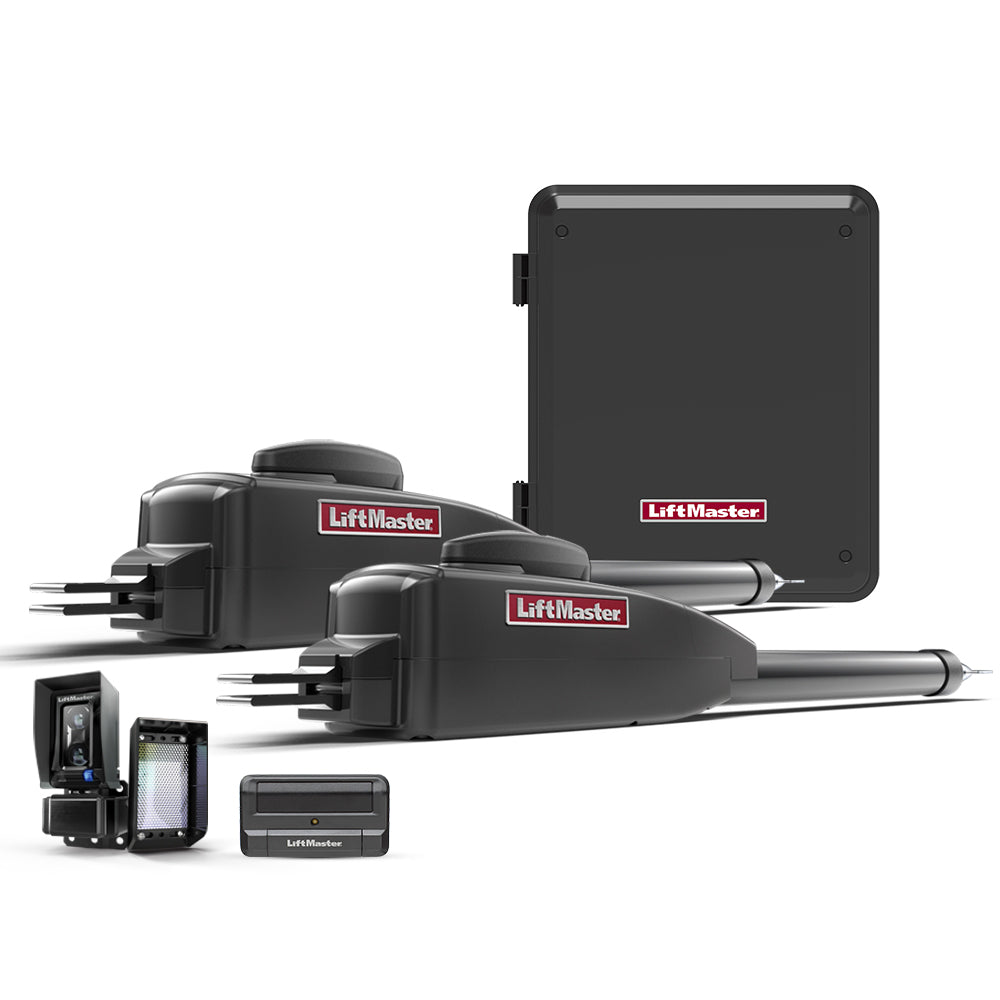
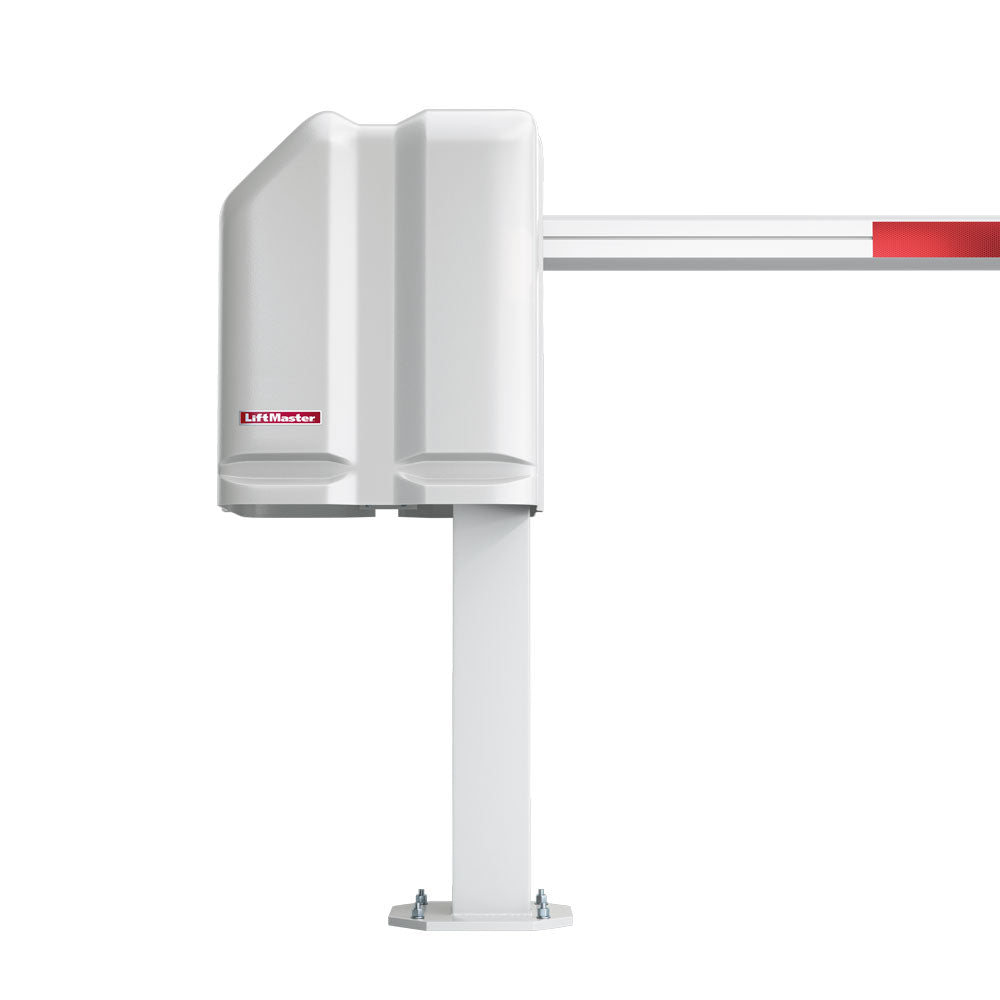
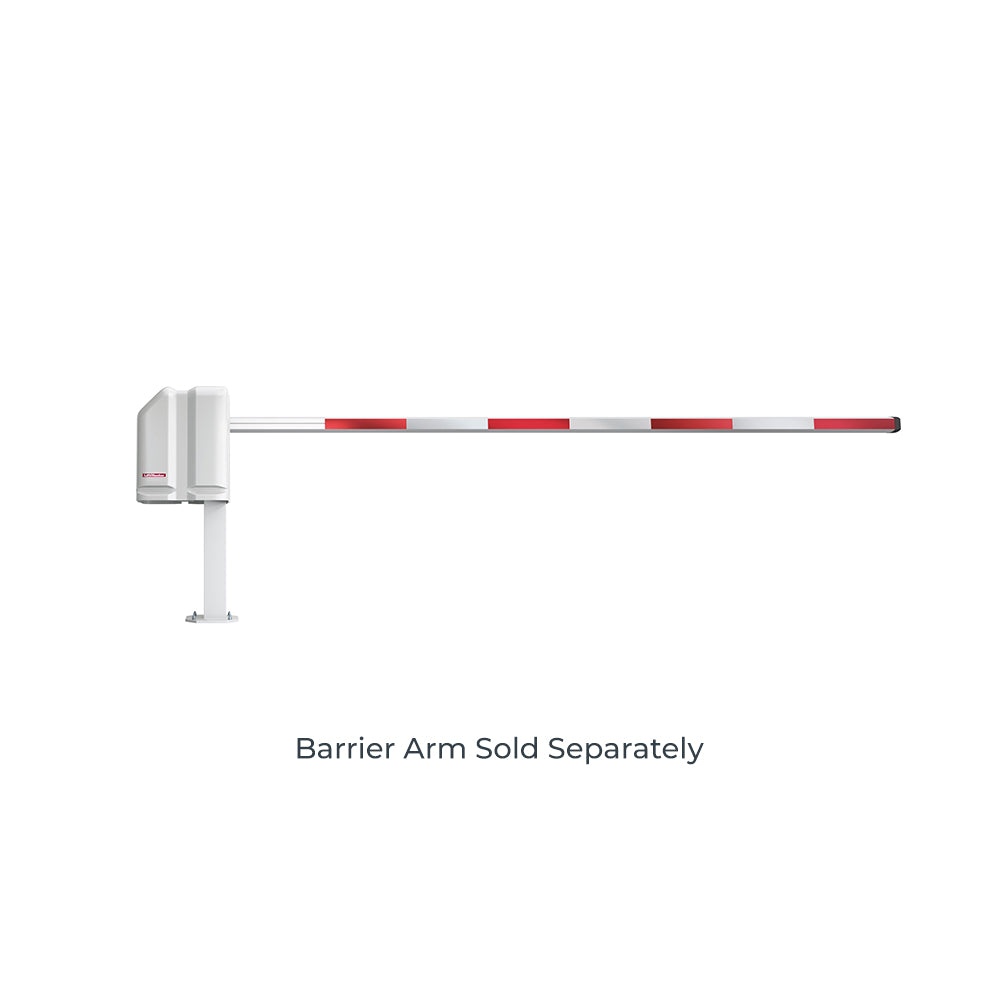
A barrier gate is the physical arm that stops a vehicle until it’s allowed through. It manages the flow of cars: one vehicle per opening, a clear stop point, and a visible signal that this lot is controlled. On its own, a barrier gate doesn’t know who is driving.
-
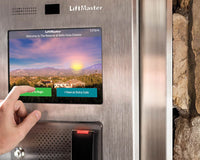
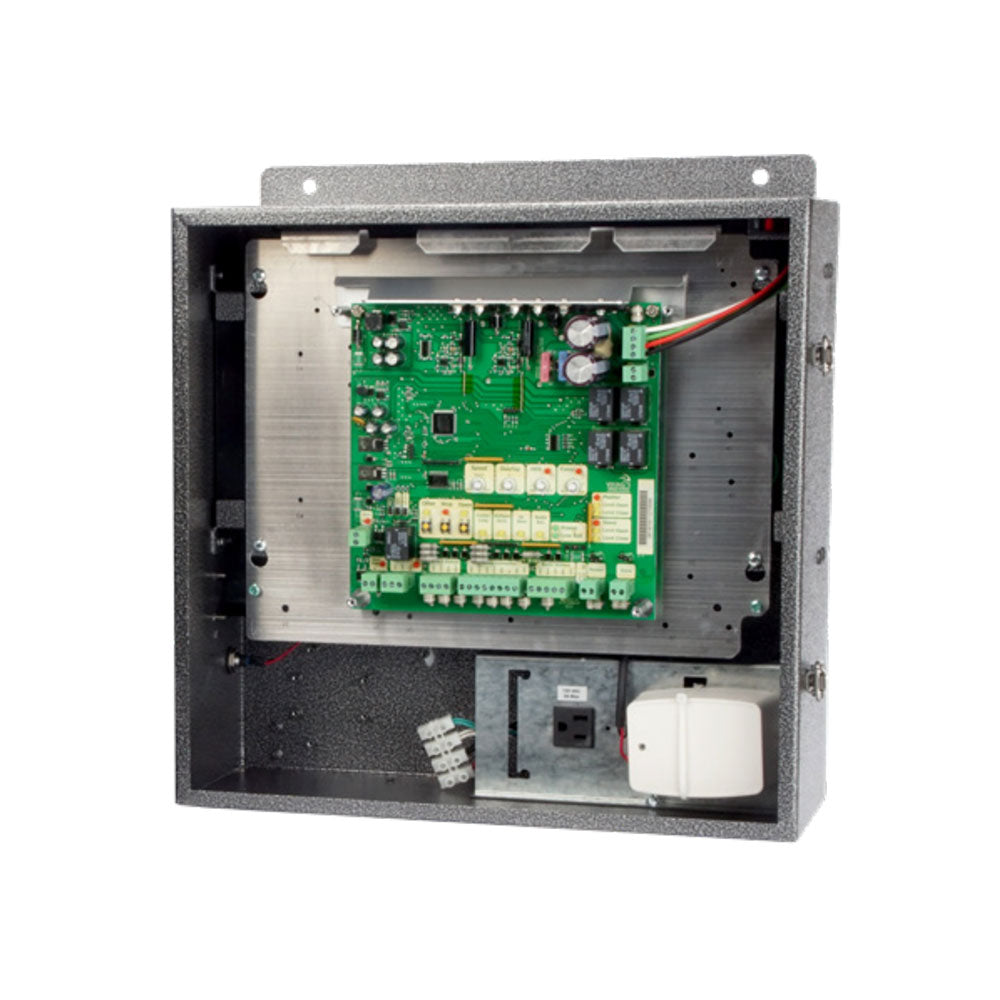
A parking lot access control system is the brain that decides who gets in. Credentials (RFID tags, keypads, remotes, license plate readers) identify the driver, and the system logs every entry and exit. It can run a barrier arm, a slide gate, or a swing gate.
In other words, the gate is the muscle and the access control is the judgment. Most problems come from buying one when the situation needs the other.
When a barrier gate alone is enough
If your goal is order rather than identity, a standalone barrier gate does the job. It fits lots where traffic control is the whole game:
-
Paid parking with attendants or ticketing, where the arm simply meters cars through a controlled point.
-
Free lots that only need to stop cut-through traffic or overnight parking abuse.
-
High-turnover entrances where speed matters more than knowing each driver by name.
Barrier arms are also the budget-friendly option: the arm itself is inexpensive to run, cycles fast, and handles heavy daily traffic. You can compare duty ratings and arm lengths in our gate barrier arms collection.

When you need real access control
The moment the question becomes “who should be in this lot?”, a barrier arm alone stops being enough. That’s the case for:
-
Employee and tenant parking, where each person needs their own credential you can issue and revoke.
-
Gated communities and apartment lots, where residents expect hands-free entry and management needs an audit trail.
-
Mixed-use properties, where deliveries, visitors, and staff all need different levels of access at different hours.
-
Any lot with liability concerns, because an entry log tells you exactly which vehicle was inside when something happened.
A parking lot access control system pays for itself in management time. Lost fob? Deactivate it in the software instead of rekeying anything. Employee leaves? Their tag stops working the same day.

Barrier gate vs. access control at a glance
|
Question |
Barrier gate alone |
With access control |
|
What it controls |
Vehicle flow |
Who enters, and when |
|
Credentials |
None (or a ticket) |
RFID, keypad, remote, plate reader |
|
Entry log |
No |
Yes, per vehicle and time |
|
Revoke access |
Not possible |
Instant, per credential |
|
Best fit |
Paid lots, traffic order |
Employees, tenants, gated communities |
The credential decides the daily experience
If you do go the access control route, the credential you pick shapes how the lot feels every morning. Each option trades convenience against cost:
-
RFID tags and windshield stickers: Hands-free entry at a rolling stop. The standard for employee and resident lots because nobody touches anything, even in the rain.
-
Keypads: Cheap and simple, good for low-traffic or visitor entrances, but codes get shared, so treat them as a convenience layer rather than real identity.
-
Remotes and transmitters: Familiar and reliable for smaller resident lots, with per-user revocation when a remote goes missing.
-
License plate readers: The plate is the credential, so there’s nothing to issue at all. Strongest for mixed lots where visitors register once and drive in.
Many lots mix two: RFID for the daily users and a keypad or intercom lane for guests and deliveries. The mistake to avoid is issuing one shared code to fifty people and calling it access control.
Sizing the gate hardware itself
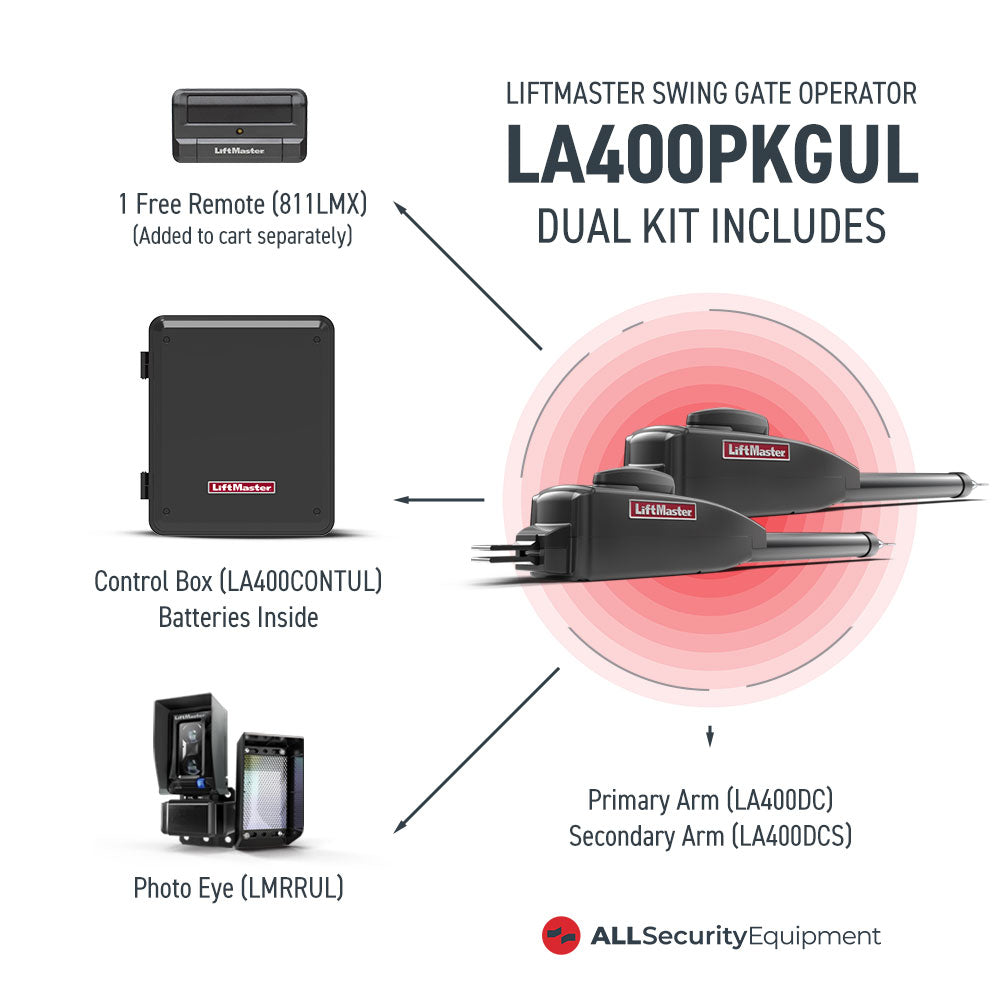
Whichever brain you choose, the physical gate has to be rated for the work. Three specs decide whether the hardware survives its first year:
-
Duty cycle: A lot with a hundred entries a day needs a commercial, continuous-duty operator. Residential-grade arms burn out fast at commercial volume.
-
Arm length and speed: The arm must span the lane, and the opening speed sets your throughput at rush hour. Faster arms cost more and are worth it at busy entrances.
-
Safety devices: Vehicle loops, photo eyes, and auto-reverse are not extras. They’re what keeps an arm from landing on a hood, and most liability questions start right here.
Plan the exit at the same time: a free-exit loop that opens the gate for departing cars is standard, and it prevents the classic problem of a secure entrance with a queue trying to leave.
How the two work together
For most commercial lots the answer isn’t either/or. The strongest setup pairs them: the access control system reads the credential, and the barrier gate (or slide gate) physically opens for approved vehicles. Add a camera at the entrance and you also get a visual record tied to each entry event.
That combination is exactly what our parking systems collection is built around: barrier gates, telephone entry, RFID readers, and the controllers that tie them together. If you’re starting from zero, our guide to parking lot gate systems covers the gate hardware side in more depth.
How to choose for your lot
Four questions settle it faster than any spec sheet:
-
Who uses the lot? If it’s the same people every day (staff, residents), you need credentials. If it’s strangers paying to park, you need flow control.
-
Do you need a record? Liability, complaints, or billing disputes all point toward a logged system.
-
How many entries per day? High-cycle entrances need commercial-duty barrier arms rated for the volume, whatever brain sits behind them.
-
What’s the exit plan? Free exit loops, exit readers, or one-way spikes change the hardware list. Decide both directions before buying either.
Frequently asked questions
What is a parking lot access control system?
It’s the combination of credentials (RFID tags, keypads, remotes, or license plate readers), a controller, and a gate that decides which vehicles can enter a lot, when they can enter, and keeps a log of every entry and exit.
Is a barrier gate the same as access control?
No. A barrier gate is the physical arm that stops vehicles; access control is the system that identifies who is allowed through. A barrier gate can operate alone for traffic control, or be driven by an access control system when identity matters.
Which is cheaper, a barrier gate or an access control system?
A standalone barrier gate is the lower-cost option since there are no credentials or controllers involved. Adding access control raises the up-front cost but removes ongoing headaches like rekeying, manual gate duty, and disputes with no entry record.
What credentials work best for a parking lot?
RFID tags or stickers for daily users, because entry is hands-free, plus a keypad or intercom lane for visitors and deliveries. License plate recognition removes credentials entirely and suits lots with lots of registered guests.
Control the flow, know the drivers
Buy for the problem you actually have. If cars are the problem, a barrier gate restores order. If people are the problem, a parking lot access control system gives you credentials, logs, and instant revocation. And if you run a commercial lot of any real size, the honest answer is usually the pair working together, one deciding and one enforcing.