Skip to content

Understanding NFPA 101, IBC, UL 294, and Best Practices for Safe and Compliant Installations
Magnetic locks, commonly known as maglocks, have become one of the most widely used locking solutions in modern access control systems. Their reliability, durability, and high holding force make them an excellent choice for commercial buildings, healthcare facilities, schools, government offices, and retail environments.
However, magnetic locks are also among the most misunderstood access control devices when it comes to code compliance. Unlike traditional mechanical locks or electric strikes, maglocks require special considerations for life safety, emergency egress, fire alarm integration, and building code compliance.
Failure to install a magnetic lock correctly can result in failed inspections, costly rework, liability concerns, and unsafe conditions during emergencies.
This guide explains everything security professionals, installers, and facility managers need to know about magnetic lock compliance while highlighting the hardware and accessories needed to create a safe and code-compliant system.
What Is a Magnetic Lock?
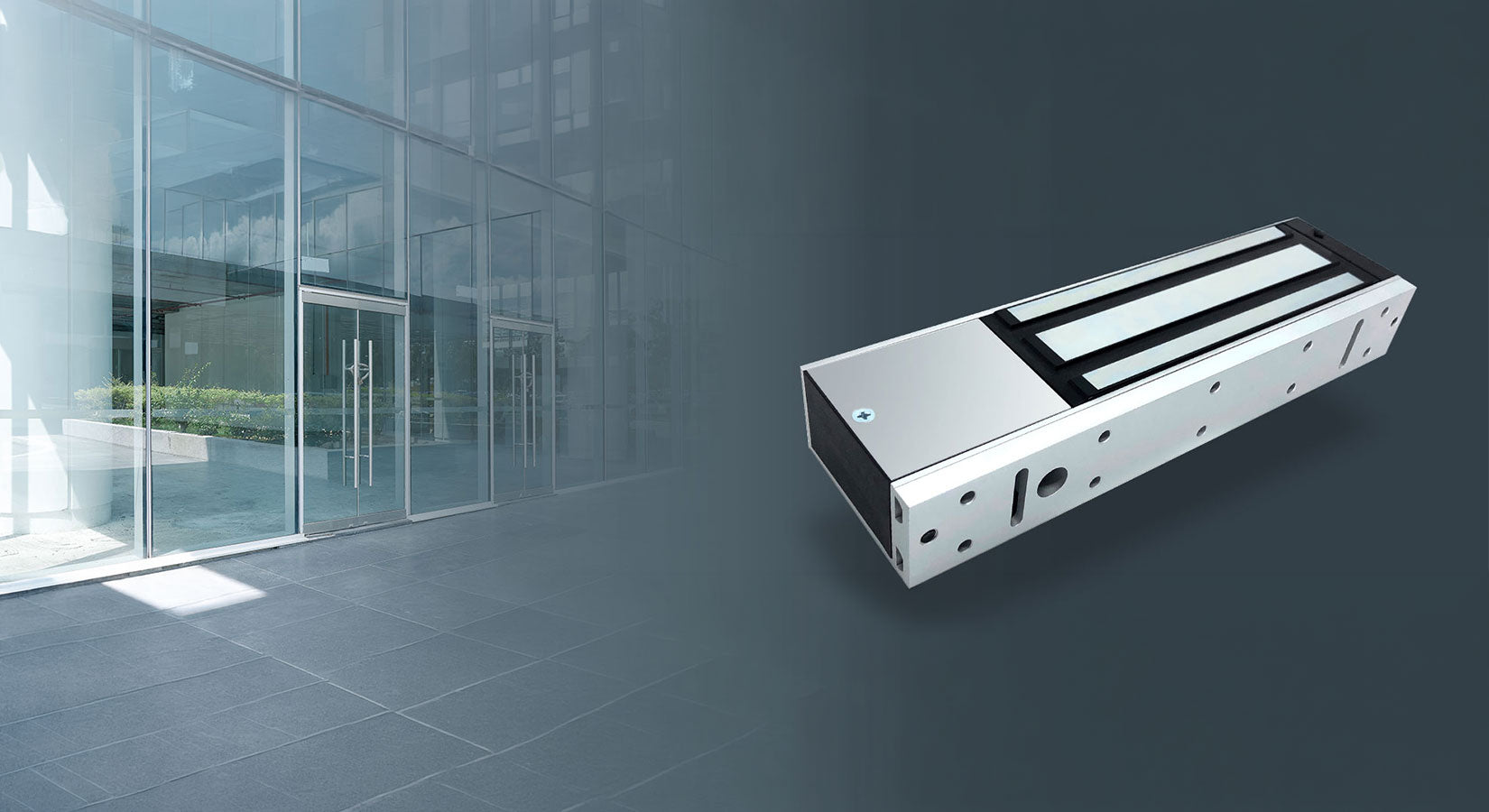
A magnetic lock consists of two primary components:
- An electromagnet mounted on the door frame
- An armature plate mounted on the door
When power is applied, the electromagnet creates a powerful magnetic field that secures the door.
When power is removed, the lock releases immediately.
Unlike electric strikes or electrified locksets, magnetic locks have no moving mechanical parts, making them highly reliable and resistant to wear.
Common Applications
Magnetic locks are frequently installed on:
- Glass storefront doors
- Aluminum doors
- Commercial office entrances
- Healthcare facilities
- Educational campuses
- Government buildings
- Data centers
- Interior access-controlled spaces
Why Code Compliance Matters
A magnetic lock may provide excellent security, but security should never come at the expense of life safety.
Building codes are designed to ensure occupants can safely exit a building during:
- Fire emergencies
- Power failures
- Medical emergencies
- Security incidents
- Natural disasters
Because magnetic locks depend entirely on electricity to remain secured, codes require specific release mechanisms to prevent occupants from becoming trapped.
Failure to meet code requirements can lead to:
- Failed inspections
- Occupancy permit delays
- Increased liability
- Insurance issues
- Safety hazards
Understanding the Key Codes and Standards
Several major standards govern magnetic lock installations.
NFPA 101 Life Safety Code
NFPA 101 establishes requirements for safe building egress.
This code focuses on:
- Emergency exits
- Occupant safety
- Egress pathways
- Lock release requirements
Magnetic locks must allow occupants to exit without specialized knowledge, tools, or excessive effort.
International Building Code (IBC)
The International Building Code provides additional requirements for:
- Commercial buildings
- Educational facilities
- Healthcare environments
- Mixed-use properties
IBC requirements often work alongside NFPA regulations to ensure both security and safety.
UL 294
UL 294 is the primary performance standard for access control system units.
This certification evaluates:
- Electrical safety
- System reliability
- Access control functionality
- Security performance
When selecting magnetic locks and access control components, installers should prioritize products carrying UL 294 certification.
Americans with Disabilities Act (ADA)
ADA regulations affect door operation and accessibility requirements.
Installations must ensure:
- Accessible egress
- Proper door operation
- Reasonable release force
- Accessible controls
Understanding Egress Requirements
One of the most important aspects of magnetic lock compliance involves occupant egress.
Unlike electric strikes that release a latch, magnetic locks completely rely on power removal for release.
Several approved release methods are commonly used.
Method 1: Request-to-Exit Motion Sensors
Request-to-exit sensors detect occupants approaching the secured door and automatically release the magnetic lock.
These sensors provide:
- Hands-free egress
- Improved convenience
- Reliable operation
Popular Product Categories:
- Request-to-Exit Sensors
- Motion Detectors
- Access Control Sensors
Recommended Products:
Motion sensors are among the most common maglock release methods in commercial environments.
Method 2: Push-to-Exit Buttons
Push-to-exit buttons provide a secondary release method in case motion sensors fail.
These buttons are typically mounted near the exit door and interrupt power to the lock when pressed.
Popular Product Categories:
- Push-to-Exit Buttons
- Emergency Release Stations
- Door Control Devices
Recommended Products:
Many jurisdictions require clearly visible release buttons near magnetic lock installations.
Method 3: Fire Alarm Integration
Fire alarm integration is one of the most critical requirements for code-compliant magnetic lock installations.
During a fire emergency:
- Fire alarm activation must release the magnetic lock
- Occupants must be able to exit immediately
- Emergency responders must have unrestricted access
Failing to integrate the lock with the fire alarm system is one of the most common inspection failures.
Understanding Fail Safe Operation
Every magnetic lock is inherently fail safe.
This means:
When power is lost, the lock releases.
This characteristic makes magnetic locks particularly suitable for:
- Healthcare facilities
- Educational buildings
- Office complexes
- Public occupancy spaces
Because maglocks are fail safe by design, proper power management becomes extremely important.
Power Supplies: The Foundation of Every Maglock System
A magnetic lock is only as reliable as the power supply supporting it.
Access control power supplies provide:
- Stable voltage
- Surge protection
- Battery backup
- Fire alarm integration
Popular Product Categories:
- Access Control Power Supplies
- Power Distribution Modules
- Backup Power Systems
Recommended Products:
Using a properly listed power supply is essential for code compliance.
Single Door vs Double Door Installations
Different door configurations require different magnetic lock solutions.
Single Door Applications
Common in:
- Offices
- Server rooms
- Administrative areas
Recommended Products:
-
ASE 600 lbs. Surface Mount UL Listed Magnetic Lock HUL600LSDM
-
ASE 1200 lbs. Surface Mount UL Listed Magnetic Lock HUL1200LSDM
Double Door Applications
Common in:
- Building entrances
- Educational facilities
- Healthcare environments
Recommended Products:
-
Surface Mount UL Listed Double Door Magnetic Lock HUL2X600LSDM
-
Surface Mount UL Listed Double Door Magnetic Lock HUL2X1200LSDM
Double-door systems often require coordinated release hardware and additional monitoring devices.
Door Monitoring and Position Sensors
Many facilities require monitoring of door status.
Door position switches help security teams determine whether a door is:
- Open
- Closed
- Forced open
- Held open
Product Categories:
- Door Position Switches
- Monitoring Contacts
- Access Control Sensors
These devices improve both security and compliance reporting.
Common Magnetic Lock Compliance Mistakes
Mistake #1: No Secondary Release Device
Relying solely on a motion sensor can create compliance issues.
Always provide a backup release method.
Mistake #2: Missing Fire Alarm Integration
Many installations fail inspection because the magnetic lock does not release when the fire alarm activates.
Mistake #3: Incorrect Power Supply Selection
Using generic power supplies may compromise system reliability and code compliance.
Mistake #4: Poor Wire Management
Improper wiring can lead to intermittent operation and future service calls.
Consider using:
- Power transfer devices
- Access control cable management systems
Mistake #5: Ignoring Local Jurisdiction Requirements
Building codes may vary by municipality.
Always verify local AHJ requirements before installation.
Recommended Magnetic Lock Solutions
Best Overall Commercial Maglock
ASE 1200 lbs. Surface Mount UL Listed Magnetic Lock | FAS-HUL1200LSDM
Ideal for:
- Office buildings
- Healthcare facilities
- Schools
- Government facilities
Features:
- 1,200 lbs holding force
- Proven reliability
- Industry-leading performance
Best Storefront Solution
ASE 600 lbs. Surface Mount UL Listed Magnetic Lock | FAS-HUL600LSDM
Ideal for:
- Aluminum storefront doors
- Retail applications
- Small business entrances
Building a Complete Magnetic Lock System
A code-compliant magnetic lock installation typically includes:
- Magnetic Lock
- Access Control Reader
- Credentials
- Request-to-Exit Sensor
- Push-to-Exit Button
- Fire Alarm Interface
- Altronix Power Supply
- Door Position Switch
- Access Control Controller
Popular complementary product categories available from All Security Equipment include:
- Magnetic Locks
- Access Control Readers
- Credentials
- Controllers
- Power Supplies
- Push Buttons
- Motion Sensors
- Door Monitoring Devices
Final Thoughts
Magnetic locks remain one of the most dependable and effective access control solutions available, but proper installation requires careful attention to life safety codes and building regulations.
By understanding NFPA 101, IBC requirements, UL 294 standards, fire alarm integration, and proper release methods, security professionals can design systems that protect both property and occupants.
Whether you’re securing a single storefront entrance or an entire campus, All Security Equipment offers a comprehensive selection of magnetic locks, access control readers, power supplies, request-to-exit devices, and installation accessories to help you build a safe, reliable, and code-compliant access control system.