Skip to content

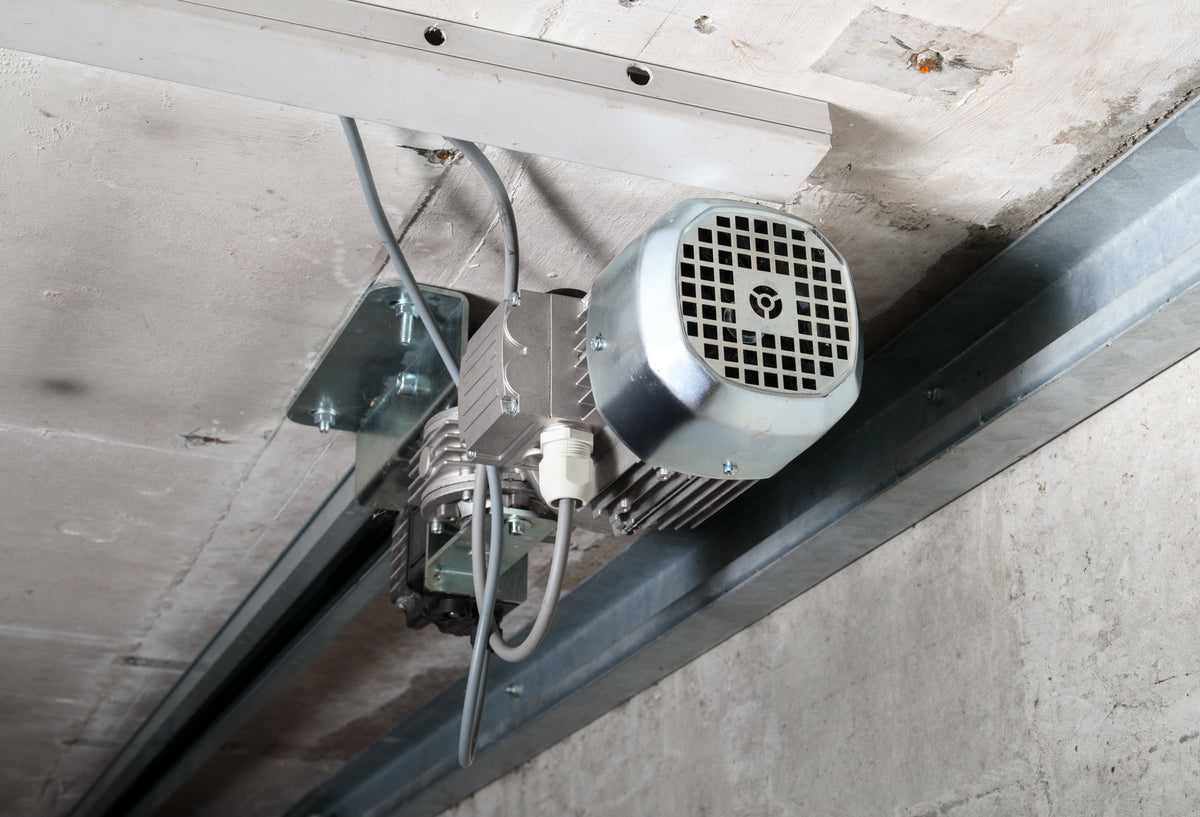
Underground gate motor installation involves preparing a foundation box beneath a swing gate, providing drainage, aligning the drive with the hinge, and connecting the controls and safety devices. The concealed arrangement needs careful site planning before concrete or paving is finished. A qualified installer should use the selected operator’s manual for dimensions, wiring, and commissioning; homeowners can use these stages to understand the work and review an installation proposal.
An underground swing gate motor places most of the drive mechanism below the hinge area. The cover, controller, and access or safety devices may remain visible. Housing position and service access should be resolved as part of the installation plan.
Check the gate and site before ordering an underground motor
A site assessment should identify the exact operator and verify both the length and weight of each gate leaf against the model’s permitted limits. Repair damaged hinges and correct dragging or binding before adding automation.
Record these details for the assessment:
-
Gate leaf dimensions, hinge condition, and the intended opening direction.
-
Space beneath the hinge for the operator housing and room to reach its cover.
-
A proposed drainage outlet and the route for electrical conduits.
-
Controller location, available power, and the required safety and access devices.
For an existing gate, request a drawing of the proposed hinge and drive arrangement. The installer should identify any changes to the lower gate attachment, posts, or paving before equipment is ordered. For a new entrance, coordinate the operator housing with the gate fabricator and the driveway work.
Browse swing gate openers and operators after confirming the mounting arrangement and gate requirements.
Prepare the foundation box and a working drainage route
The foundation box or chassis houses the underground mechanism and provides its mounting location. Use the excavation dimensions and finished height specified for the selected model. The site drawing should mark the housing, conduit entries, and drain route before excavation begins.
Drainage needs an outlet that can carry water away from the housing. The Viking I-8 Underground Swing Gate Operator manual specifies a sloped flexible drain pipe to an area drain. A plan should identify where the water will discharge and how that route can be inspected later.
The installation proposal should show the drainage outlet, account for surface runoff and low points, and identify who will complete the drainage work. Check these details before choosing an underground layout. A housing cover and a motor’s water-resistance specification do not establish that the installation has adequate drainage.
Keep the housing level and align the drive with the hinge
The housing position determines how the underground drive meets the gate. In the Viking I-8 Underground Swing Gate Operator installation, the articulation point must align with the upper hinge and the chassis must be level in both directions. The manual instructs the installer to recheck alignment before the concrete cures.
Confirm the housing location, finished surface level, and hinge geometry before concrete or paving closes the installation area. Repositioning the housing afterward can require removing the surrounding material.
Install the motor and gate connection for the selected model
Once the housing is ready, the installer follows the operator’s mechanical assembly instructions. The Viking I-8 Underground Swing Gate Operator manual illustrates the gearmotor, drive arms, gate attachment, and manual release separately. Other models can use different attachment arrangements, so their diagrams and hardware requirements must be checked individually.
Use the selected model’s drawing for the mechanical installation. During handover, have the installer demonstrate the gate connection and manual release, and keep the release instructions with the system records.
Plan wiring and safety devices before commissioning
Plan the electrical route while the housing and driveway are accessible. The installation proposal should identify the controller, conduits, motor cables, electrical supply, and connected accessories. Cable sizes, grounding, supply protection, and connection terminals must follow the selected system’s documentation and applicable local electrical requirements.
Have a qualified installer identify the gate’s entrapment zones and the compatible protection required for the complete system. Vehicle detection loops, access controls, and monitored safety devices serve different functions; a proposal should explain which components are included and what each one does.
During commissioning, the installer should check gate travel, set the operating limits, configure the controls, and perform the manufacturer’s safety tests. The handover should demonstrate normal operation, manual release, and power-outage behavior. Keep the model number, manual, and service contact with the installation records.
How underground installation differs from above-ground mounting
Above-ground operators include actuators attached with brackets and operators mounted beside the gate on a base. Their mounting requirements differ from a housing beneath the hinge area. Compare the groundwork, alignment, and service access required for each proposed layout.
|
Installation factor |
Underground operator |
Above-ground operator |
|---|---|---|
|
Motor location |
Housing beneath the hinge area. |
Actuator on the gate or operator beside it. |
|
Site preparation |
Housing excavation, drainage, and surface restoration. |
Brackets or a suitable base; groundwork depends on the model. |
|
Alignment |
Coordinate housing position with the hinge and drive. |
Verify bracket geometry or the base and operating arm. |
|
Service access |
Keep the cover and release reachable after paving. |
Leave access around the visible drive and release. |
Ask for a drawing and an itemized scope for each feasible layout. Concealed equipment can preserve the gate’s appearance, but the underground proposal still needs a workable drainage route and access for service. Compare the installation requirements of the exact models being quoted.
Review the installed cost and future service access
An underground gate motor installation quote should cover more than the motor. Check whether the price includes the housing, gate modifications, excavation, drainage, concrete or paving repairs, electrical work, controls, safety devices, and commissioning. For dual gates, confirm the equipment and work required for both leaves.
Confirm who will coordinate the groundwork and electrical work, and which items the quote excludes. Compare complete installed proposals with the same scope, including separate warranty terms for the equipment and installation work.
Review the factors that affect automatic gate opener installation cost.
Keep the cover and release point accessible after landscaping is complete. The handover should include the selected system’s maintenance schedule and identify who will check drainage and safety devices. Show future service access on the project drawing.
For the related process of mounting a visible swing actuator, see the general swing gate operator installation guide.
Share photographs of the gate, its hinge arrangement, each leaf’s dimensions, and available power with All Security Equipment when discussing product options. Confirm the installation layout with a qualified installer before ordering the operator and its required components.
Underground gate motor installation FAQs
How does underground gate motor installation work?
Installation includes preparing the housing and drainage, aligning the drive with the hinge, fitting the motor and gate connection, and wiring and commissioning the system. Follow the selected operator’s manual for the exact procedure.
Can I install an underground gate motor myself?
A qualified installer should handle the mechanical setup, electrical connections, and safety commissioning. Homeowners can document gate dimensions and site conditions to review the proposed layout.
Can an underground motor be fitted to an existing swing gate?
An existing swing gate may be suitable after a site assessment. Check hinge geometry, housing space, drainage, and any gate or paving changes against the selected model’s installation drawing.
Do underground gate motors need drainage?
Plan drainage according to the selected model’s manual. For example, the Viking I-8 Underground Swing Gate Operator specifies a sloped drain pipe to an area drain to prevent water collecting around the motor.