Skip to content

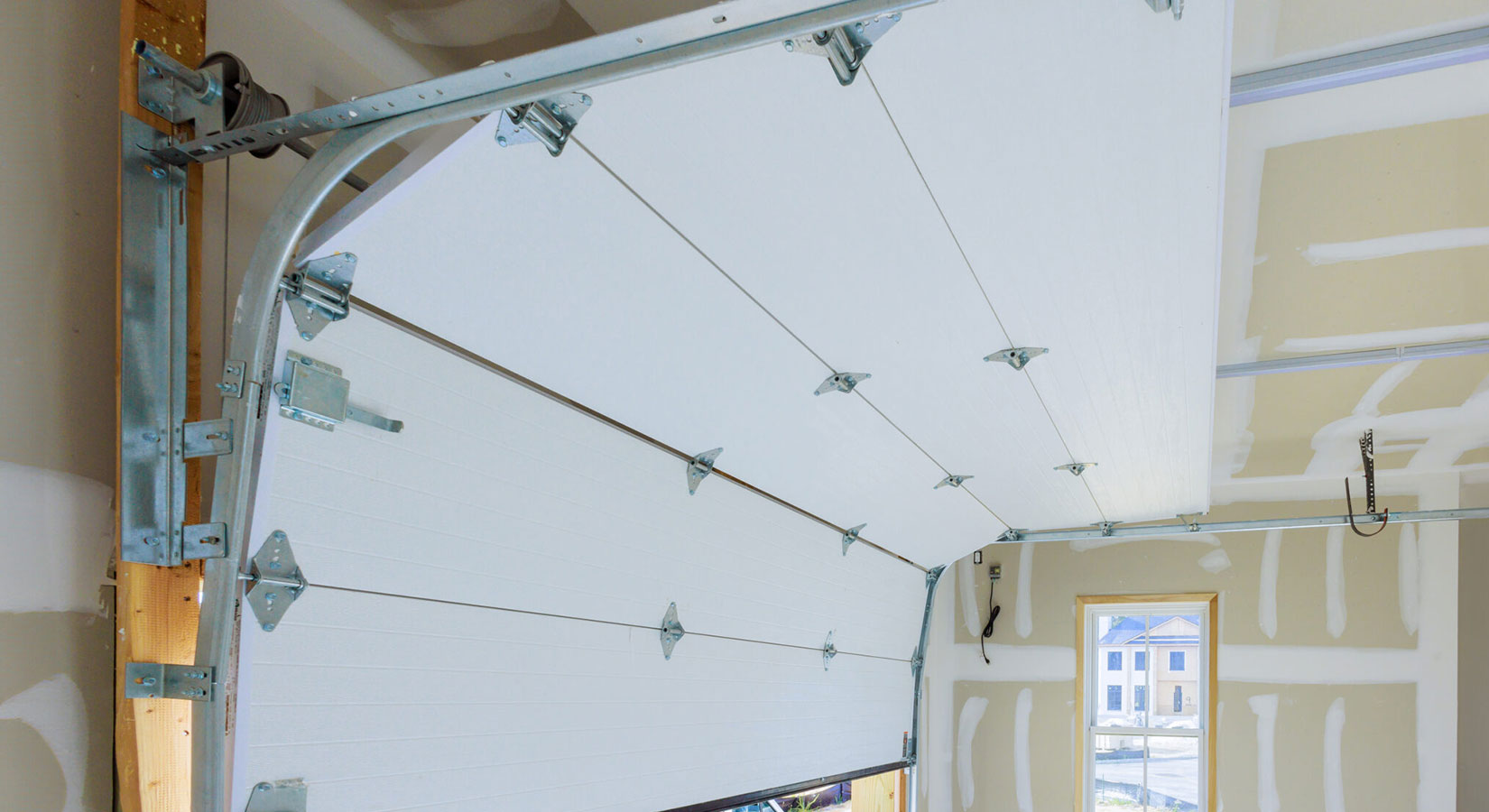
A garage door is more than a door and an opener. Behind every smooth opening and closing cycle is a system of springs, cables, rollers, pulleys, drums, and other hardware working together to support and move the weight of the door.
When one of these components wears out, choosing the correct replacement matters. Parts that look similar aren’t necessarily interchangeable, and differences in size, construction, capacity, and compatibility can have a major impact on performance and safety.
At All Security Equipment, we carry garage door hardware from trusted manufacturers like Fehr Bros., including torsion springs and other components for garage door installation, maintenance, and repair.
Here’s what to consider when identifying and replacing garage door hardware.
Start With the Garage Door System
Before replacing a spring, roller, pulley, or other component, it’s important to understand the type of system you’re working with.
Most residential garage doors use either a torsion spring system or an extension spring system.
Torsion Spring Systems
A torsion spring system typically uses one or more springs mounted on a shaft above the garage door opening.
As the door closes, the springs store mechanical energy. When the door opens, that energy helps counterbalance the weight of the door, reducing the amount of force required to lift it.
The system also relies on components such as cable drums and lift cables. The cables attach near the bottom of the door and wind around drums as the torsion shaft rotates.
Because all of these components work together, replacing a worn part isn’t simply a matter of finding something that looks similar. Specifications need to match the requirements of the door.
Extension Spring Systems
Extension spring systems operate differently.
Instead of mounting above the door, the springs typically run alongside the horizontal tracks. They stretch as the door closes and contract as it opens.
These systems may also use pulleys, lift cables, and safety cables. Each component performs a specific function and should be selected according to the original garage door configuration.
Torsion Springs: One Size Does Not Fit All
Torsion springs are among the most important components in a garage door counterbalance system, and they’re also a good example of why specifications matter.
When selecting a replacement spring, you’ll need to consider factors such as:
- Wire diameter
- Inside diameter
- Spring length
- Winding direction
- Door weight
- Door height
- Drum configuration
A spring that’s too strong or too weak for the door can affect balance and operation. That’s why the specifications of the existing system should always be verified before ordering a replacement.
Fehr Pre-Cut Garage Door Torsion Springs
All Security Equipment carries several Fehr pre-cut torsion springs designed for standard-lift garage door systems.
For example, the Fehr 0.243” Wire x 1-3/4” ID x 35” Torsion Spring is designed for a total door weight capacity of 125 lbs. It’s available in left- and right-wound configurations and comes pre-cut with the fittings installed.
For heavier doors, ASE also offers Fehr options such as:
- 0.250” Wire x 1-3/4” ID x 35” — 145-lb. door weight capacity
- 0.262” Wire x 1-3/4” ID x 40” — 160-lb. door weight capacity
- 0.273” Wire x 1-3/4” ID x 44” — 175-lb. door weight capacity
These Fehr springs are manufactured from oil-tempered spring wire and feature a black coating for corrosion resistance and easier handling.
Fehr also uses color-coded stripes to make spring identification easier during installation and service.
What About Garage Door Cables?
Cables are another critical part of the system, even though they aren’t always the component that needs to be replaced.
In a torsion system, lift cables connect the bottom of the door to drums mounted on the torsion shaft. As the shaft rotates, the drums control the cables to help raise and lower the door.
Extension spring systems may use both lift cables and safety cables. Lift cables help operate the door, while safety cables run through the extension springs to help contain them if a spring breaks.
These different types should never be treated as interchangeable.
Diameter, Length, and Construction Matter
When inspecting or replacing a cable, pay attention to its diameter, length, and construction.
Common diameters used in garage door applications include 3/32”, 1/8”, and 5/32”, depending on the door and application. Heavier doors generally require components capable of handling greater loads.
Length also depends on the door configuration. A standard-lift system and a high-lift or vertical-lift system won’t necessarily use the same setup.
Wire rope construction can vary as well. 7x7 construction provides a balance of strength and flexibility for many applications, while 7x19 construction offers greater flexibility where the wire rope needs to travel around tighter bends or pulleys.
The important point is not to assume that two components are interchangeable simply because they appear similar.
Rollers: Small Components With a Big Job
Garage door rollers guide the door as it travels along the tracks.
Because they’re used every time the door opens and closes, worn rollers can contribute to noisy, rough, or inconsistent operation.
During a garage door inspection, look for:
- Cracked or damaged rollers
- Excessive play or wobbling
- Worn bearings
- Rollers that don’t turn freely
- Unusual noise during operation
- Visible wear on the roller or stem
If several rollers show similar wear, replacing them as a set may make more sense than waiting for each one to fail individually.
Pulleys and Other Moving Hardware
Pulleys play an especially important role in many extension spring systems, helping guide the cables as the door moves.
Like rollers, pulleys contain moving surfaces that can wear over time.
A damaged or worn pulley can interfere with cable movement and affect how smoothly the door operates. During maintenance, inspect the pulley for excessive movement, worn bearings, damage, and signs that the cable isn’t traveling correctly.
Other components—including drums, brackets, hinges, bearings, and fasteners—should also be inspected as part of the overall system rather than treated in isolation.
Don’t Replace One Part Without Inspecting the Rest
One of the most important lessons when servicing garage doors is that the components work as a system.
A broken spring may be the obvious problem, but it doesn’t necessarily mean everything else is in good condition.
For example, when servicing a torsion spring system, it’s a good idea to inspect:
- The opposite spring on a two-spring system
- Lift cables
- Cable drums
- Rollers
- Bearings
- Hinges
- Bottom brackets
- Tracks and mounting hardware
Fehr specifically recommends replacing both torsion springs when one fails in a paired system because the springs are designed to wear together. Replacing both can help avoid another service call shortly afterward.
Consider the Operating Environment
The environment around the garage can also influence component life.
Humidity, moisture, salt air, chemicals, and frequent temperature changes can accelerate corrosion and wear.
This is particularly important for properties near the coast, car washes, industrial facilities, and other environments where garage door hardware may regularly encounter moisture or corrosive contaminants.
Protective coatings and corrosion-resistant materials can help, but regular inspection remains important.
Look for rust, pitting, fraying, broken strands, or deterioration on springs, cables, rollers, pulleys, brackets, and other exposed hardware.
Use the Right Tools for Torsion Spring Work
Having the correct replacement spring is only part of the job. Torsion spring service also requires the correct tools and procedures.
Fehr’s pre-cut torsion springs available from All Security Equipment require two 1/2-inch winding bars for installation.
Never substitute screwdrivers, pieces of rebar, or other makeshift tools for proper winding bars.
Torsion springs store a significant amount of mechanical energy, and improper handling can cause serious injury. Spring replacement and adjustment should only be performed by someone with the appropriate knowledge, tools, and safety procedures.
When in doubt, contact a qualified garage door professional.
Choosing the Right Garage Door Hardware
There’s rarely a one-size-fits-all answer when replacing garage door hardware.
Springs need to match the door’s weight and system specifications. Rollers need to fit the track and application. Pulleys, drums, cables, bearings, and other components all need to work together as part of the same mechanical system.
That’s why identifying the existing hardware and checking the manufacturer’s specifications before ordering is so important.
For professionals and experienced installers looking for replacement garage door hardware, All Security Equipment carries Fehr products for a range of garage door installation and service applications.
Our selection includes pre-cut torsion springs in multiple sizes and weight capacities, along with additional Fehr hardware and tools for professional installation and maintenance.
Shop Fehr Garage Door Hardware at All Security Equipment
Whether you’re replacing a worn torsion spring, servicing a garage door system, or stocking parts for upcoming jobs, explore our selection of Fehr Bros. products to find professional-grade hardware for the job.