Skip to content

Choosing the right gate system depends on how a property manages vehicle access. In many cases, a barrier-style system is a better option than swing or slide gates, especially when traffic flow and speed matter more than full perimeter closure.
This guide explains when this type of gate makes sense and how it compares to swing and slide gate systems.
What Is a Barrier-Style Gate System?
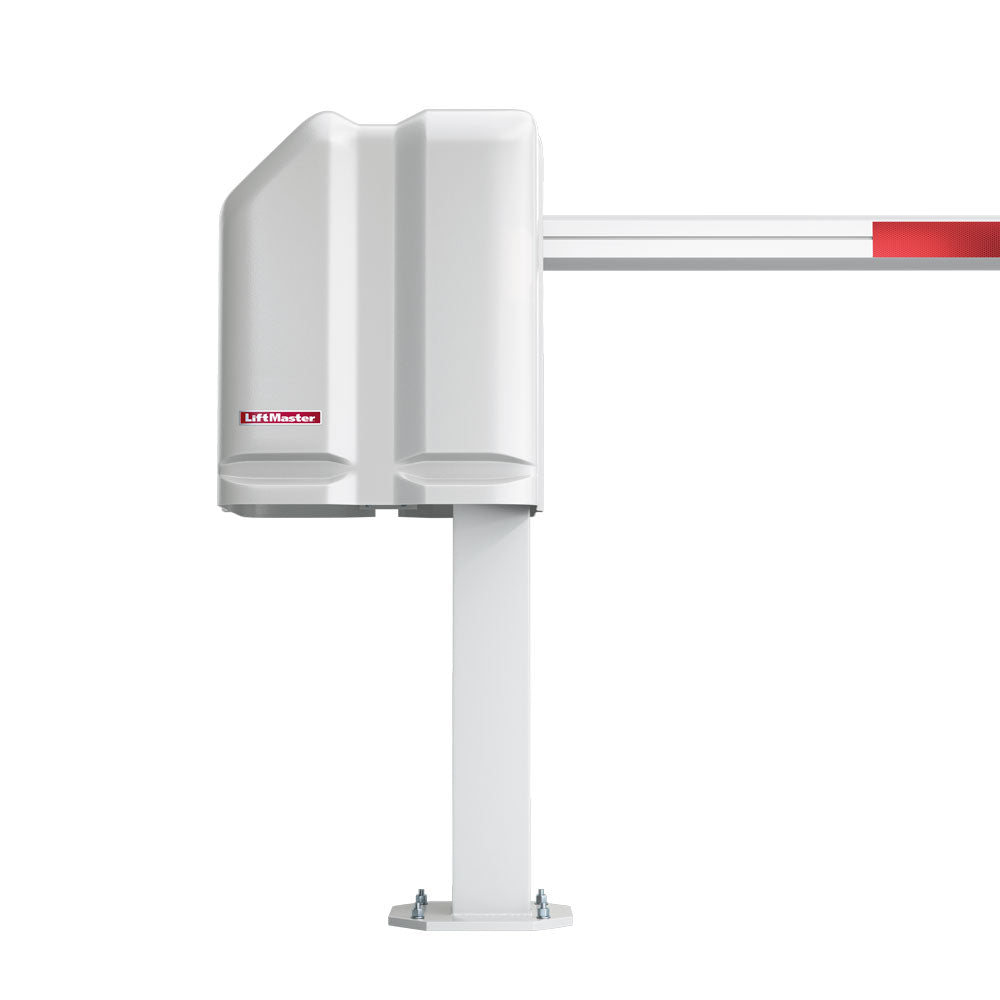
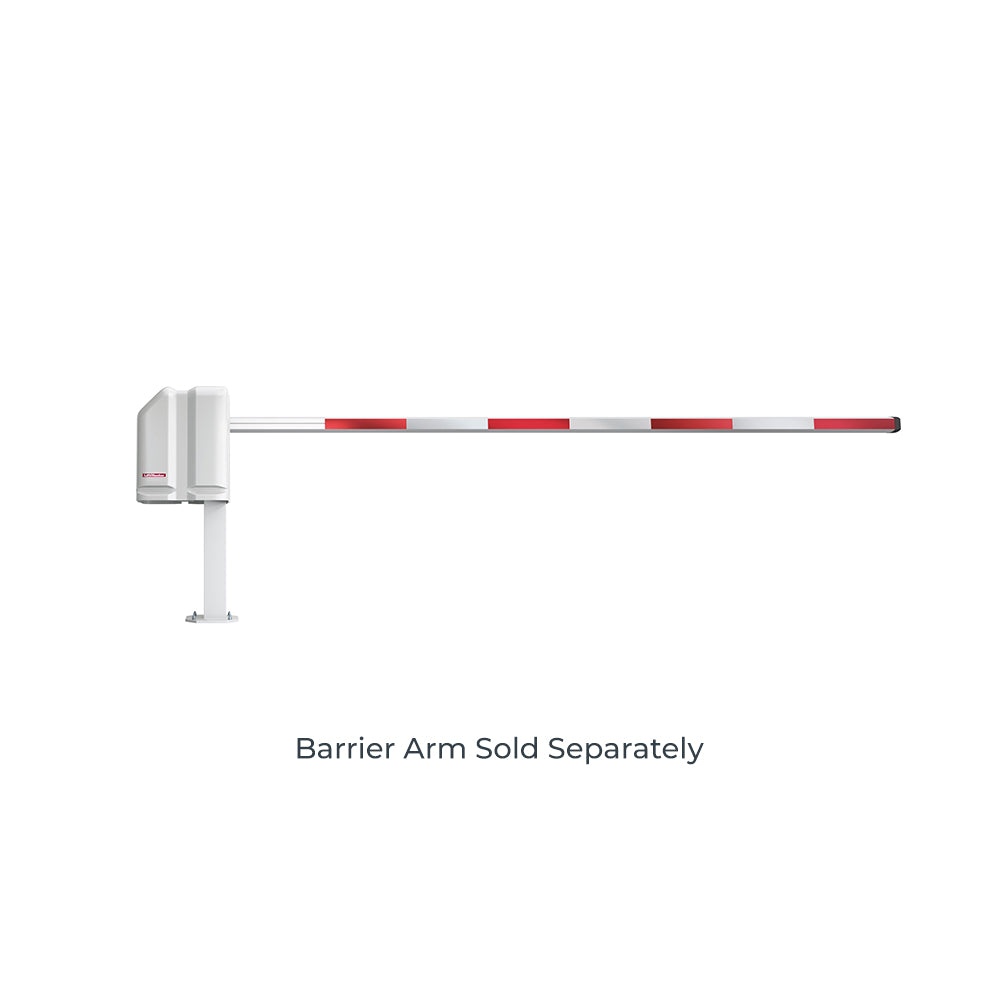
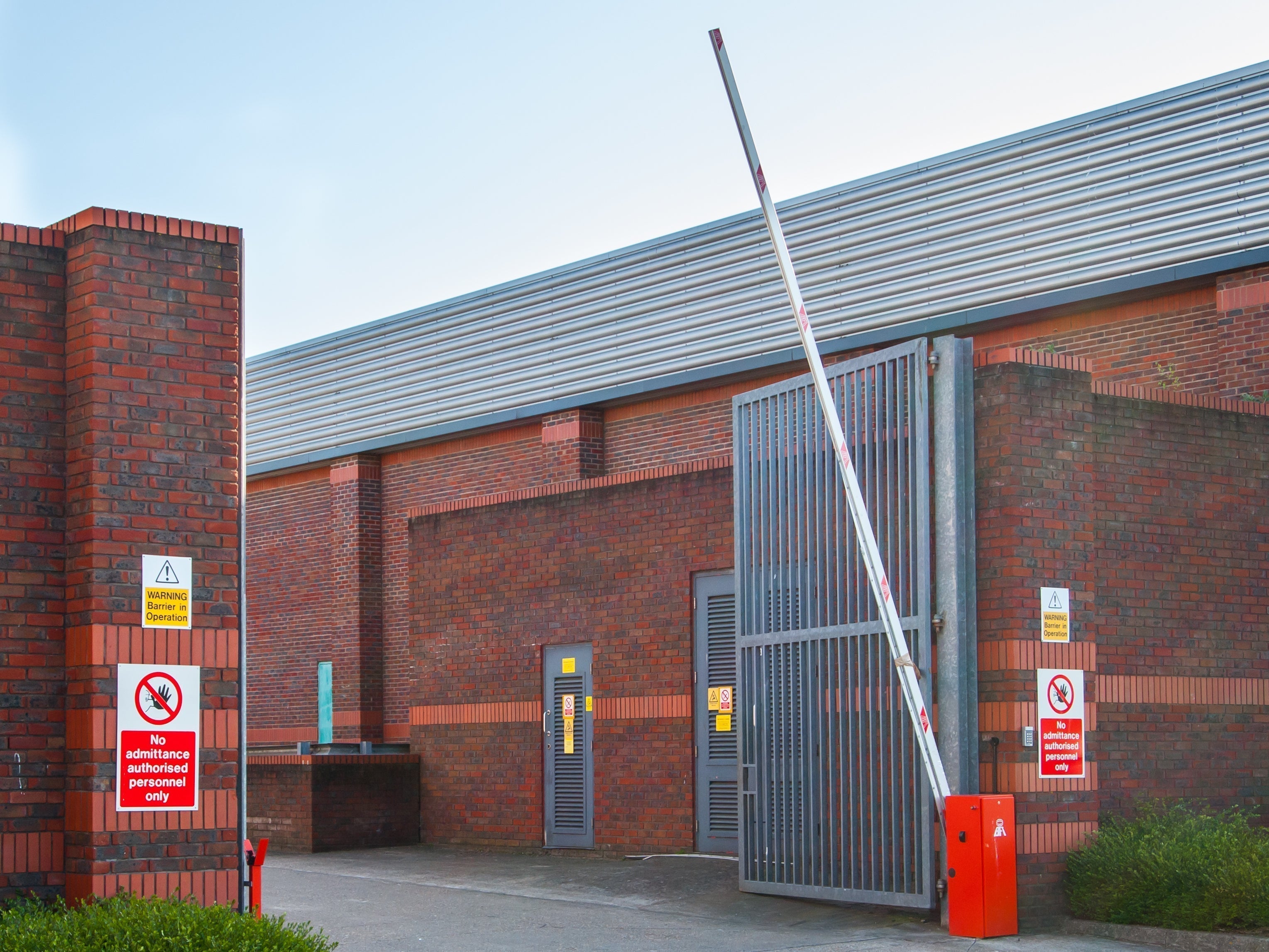
This type of system uses a horizontal arm that lifts and lowers to control vehicle entry. Instead of blocking the roadway with a solid panel, it signals when vehicles should stop or proceed.
These systems are commonly used in:
-
Parking lots and garages
-
Commercial driveways
-
Apartment and office entrances
-
Controlled traffic lanes
To see available options, explore our full selection of parking barrier gates and operators, which are designed for vehicle-focused access control.
How It Compares to Swing and Slide Gates
Each gate style serves a different purpose.
Swing gates open inward or outward on hinges. They are often used for residential driveways but require clear space to operate and move more slowly.
Slide gates move sideways along a track. They provide stronger physical security but need more space and typically cost more to install.
A barrier-style system opens vertically and clears the lane quickly. This makes it ideal for locations where fast entry and exit are required.
When This Type of Gate Is the Better Choice
This solution works best in environments where vehicle flow is a priority.
High-Traffic Entry Points
These systems open and close faster than swing or slide gates. This helps reduce backups at busy entrances such as parking facilities and garages.
Limited Space
Because the arm lifts upward, very little side or swing clearance is needed. This makes it practical for tight lanes and compact driveways.
Clear Driver Guidance
The raised or lowered arm provides a simple visual signal, reducing confusion for drivers entering or exiting a property.
Lower Installation Impact
Compared to full gate systems, installation is often simpler and less disruptive, with fewer structural requirements.

How It Supports Access Control
This gate style is typically paired with an access control system. While the arm itself does not prevent forced entry, access devices control when it opens.
Common integrations include:
-
Keypads and card readers
-
RFID and license plate recognition
-
Intercom systems
-
Parking and ticketing software
Many property managers choose parking barrier gate systems because they integrate easily with existing access control tools.
When Swing or Slide Gates Are the Better Option
There are cases where a barrier-style solution is not ideal.
Swing or slide gates are better when:
-
Full perimeter security is required
-
The entrance must be physically blocked
-
Visual privacy is important
-
Pedestrian access is controlled at the same location
In these situations, solid gate systems provide stronger protection.
Common Use Cases
These systems are widely used in properties that need controlled but efficient vehicle entry.
Typical applications include:
-
Apartment and condo parking entrances
-
Office garages
-
Commercial parking lots
-
Industrial sites with monitored access
For properties using DoorKing equipment, you can view DoorKing barrier gate operators that are built specifically for parking and traffic control applications.
Example of a Traffic Control System
A common example is the DoorKing 1602 Barrier Gate, which is designed for parking and traffic control environments. Systems like this focus on fast operation, reliability, and compatibility with access control devices.
Final Takeaway
This type of gate is the right choice when speed, space, and traffic flow are more important than full physical security. It keeps vehicles moving, integrates easily with access control systems, and works well in high-traffic areas.
For parking facilities and vehicle-focused entry points, barrier-style systems are often the most practical option.