Skip to content


A warehouse or distribution center is one of the hardest properties to protect. It holds a lot of valuable inventory, has more doors and dock positions than most buildings, sees trucks and people moving in and out all day, and often runs around the clock.
That combination makes warehouses a natural target for break-ins, cargo theft, and losses that start on the inside. A single incident can mean stolen goods, damaged equipment, disrupted shipments, and shaken employees.
The good news: warehouse security systems work in layers, and each layer is straightforward once you see how it fits. This complete guide walks through every layer, from the fence line to the loading dock to the people inside, so you can build a system that protects your inventory, your team, and your uptime.
What a warehouse security system actually includes
There’s no single device that secures a warehouse. A real warehouse security system is a set of layers that work together, so if one is bypassed, another still stands in the way.
Most complete systems combine:
-
Perimeter security: fencing, gates, and lighting that control the property line.
-
Access control: credentials and readers that decide who gets through each door.
-
Video surveillance: cameras that watch entrances, docks, aisles, and parking.
-
Alarms and intrusion detection: sensors that catch forced entry and after-hours activity.
-
Loss prevention: cages, dock security, and inventory tracking for high-value goods.
-
People and procedures: screening, training, and accountability for the team on-site.
Start at the perimeter: fencing, gates, and lighting
Good security starts before anyone reaches the building. The perimeter is your first and cheapest line of defense.
-
Fencing. High-security fencing establishes a clear, defensible boundary and funnels traffic to controlled entry points.
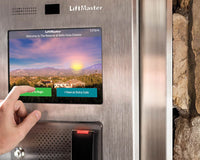
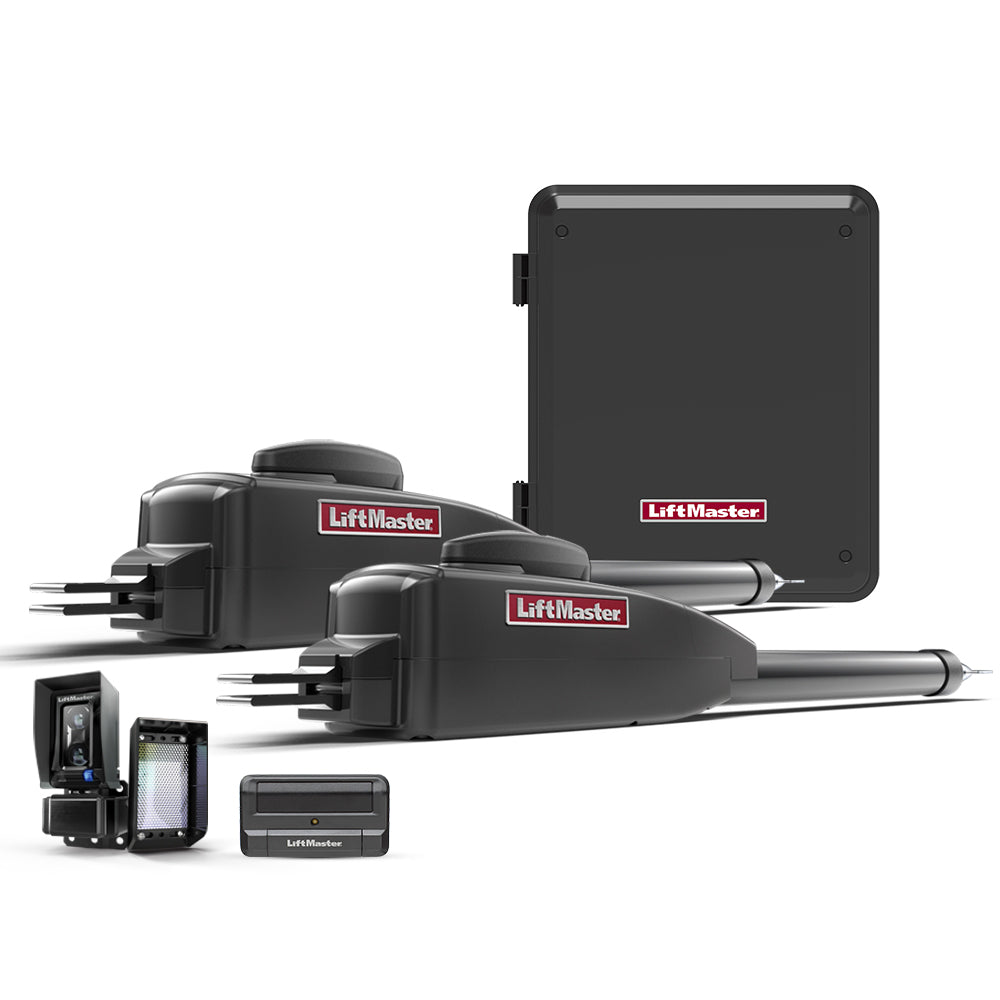
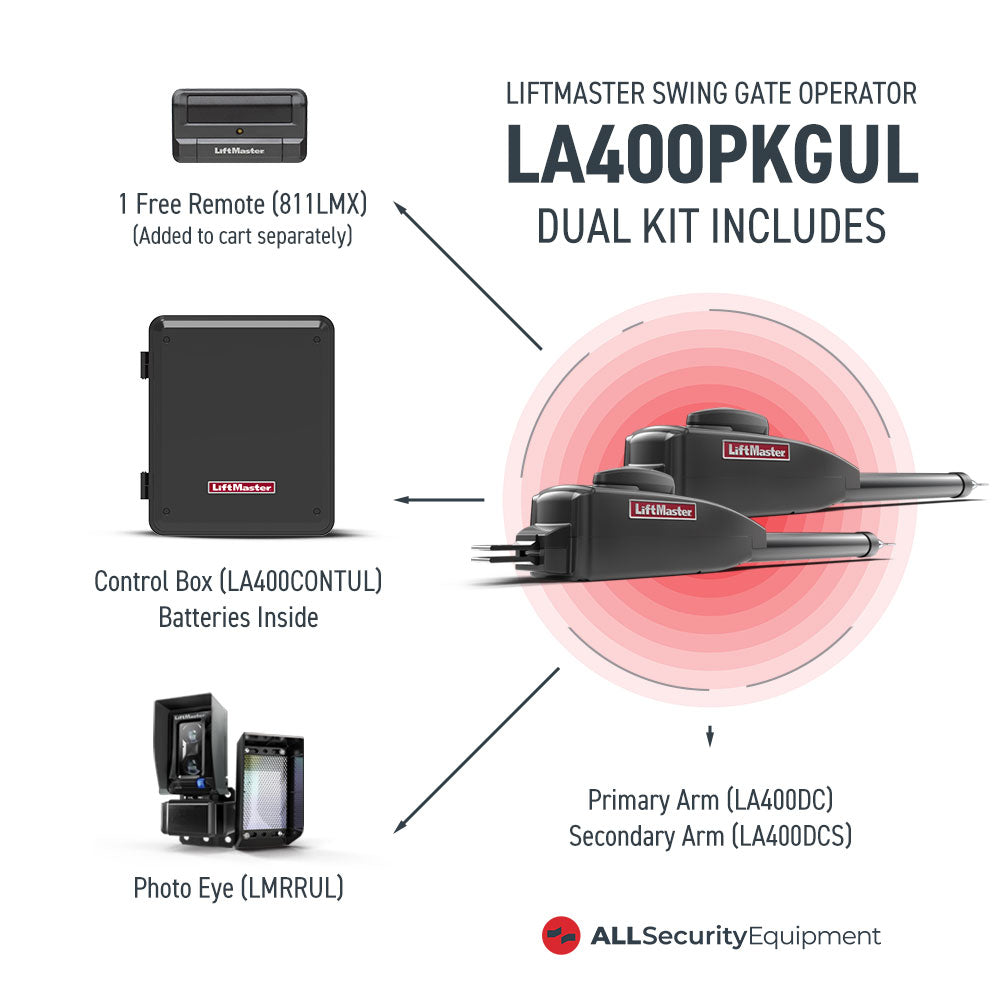
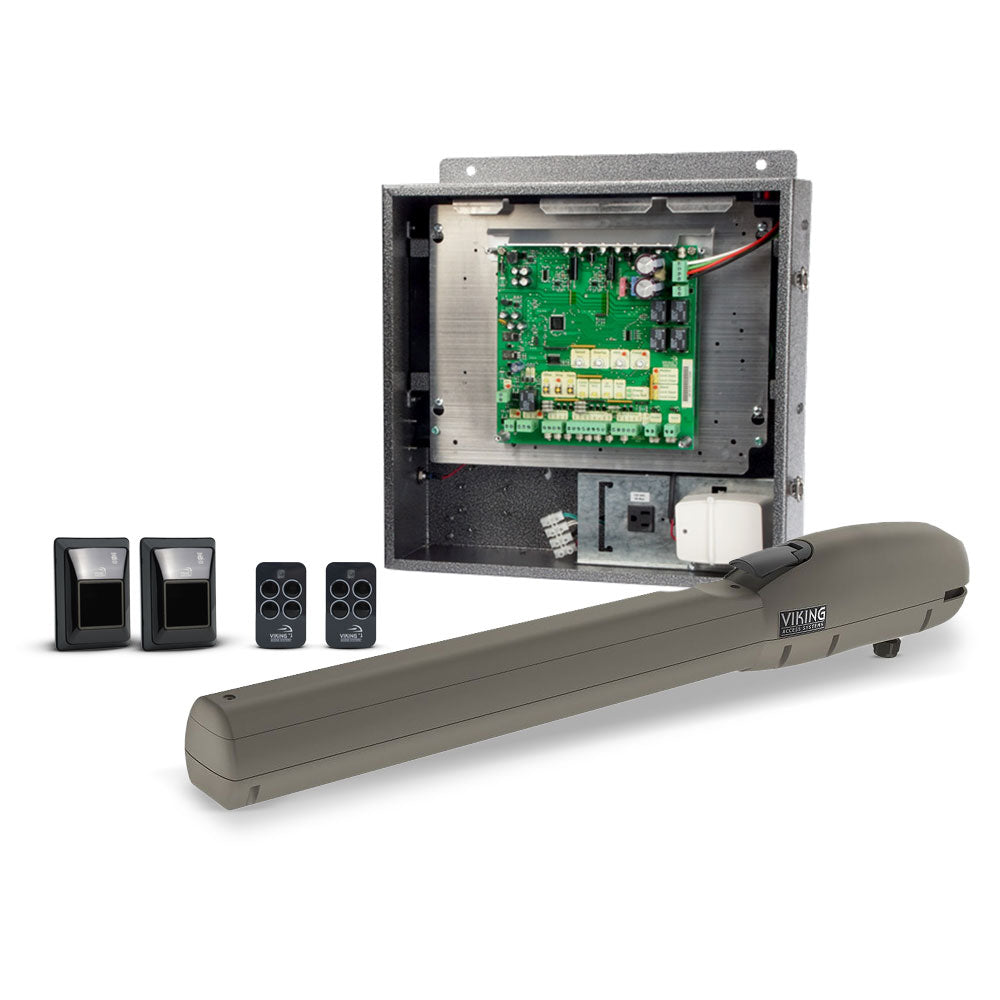
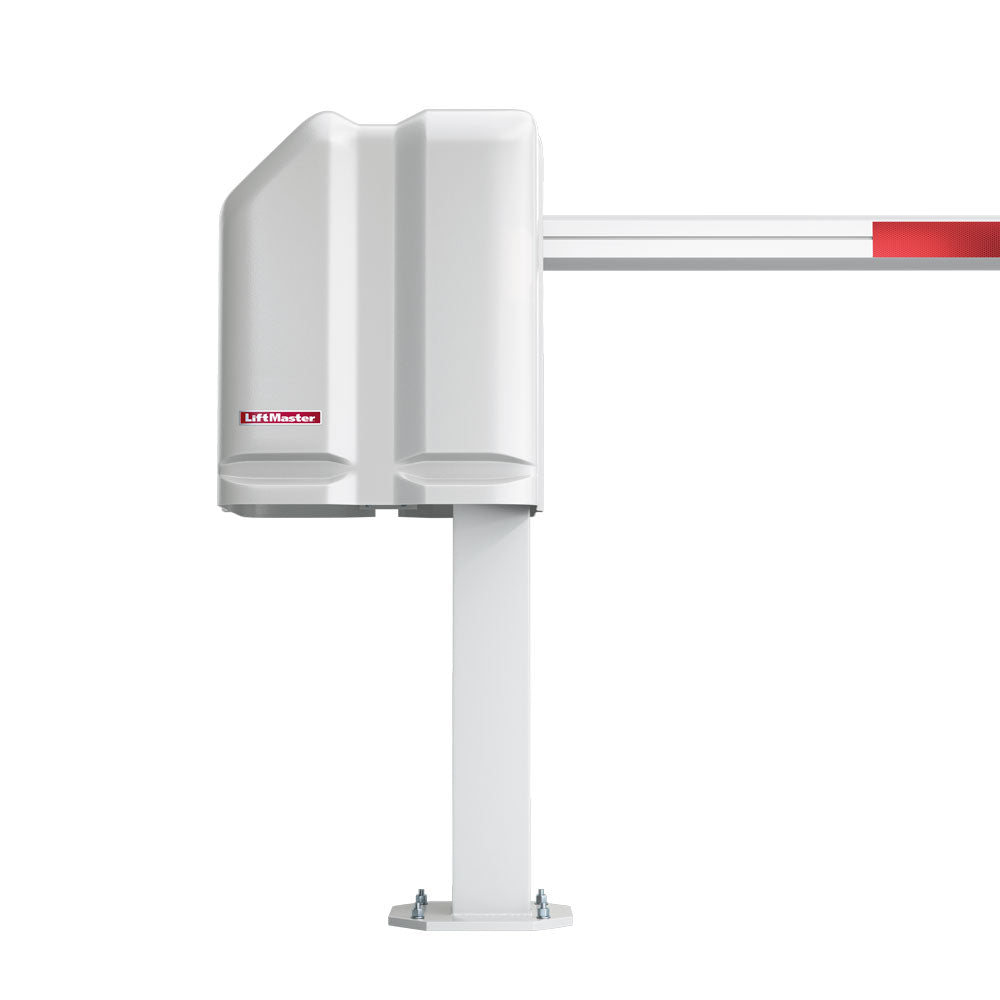
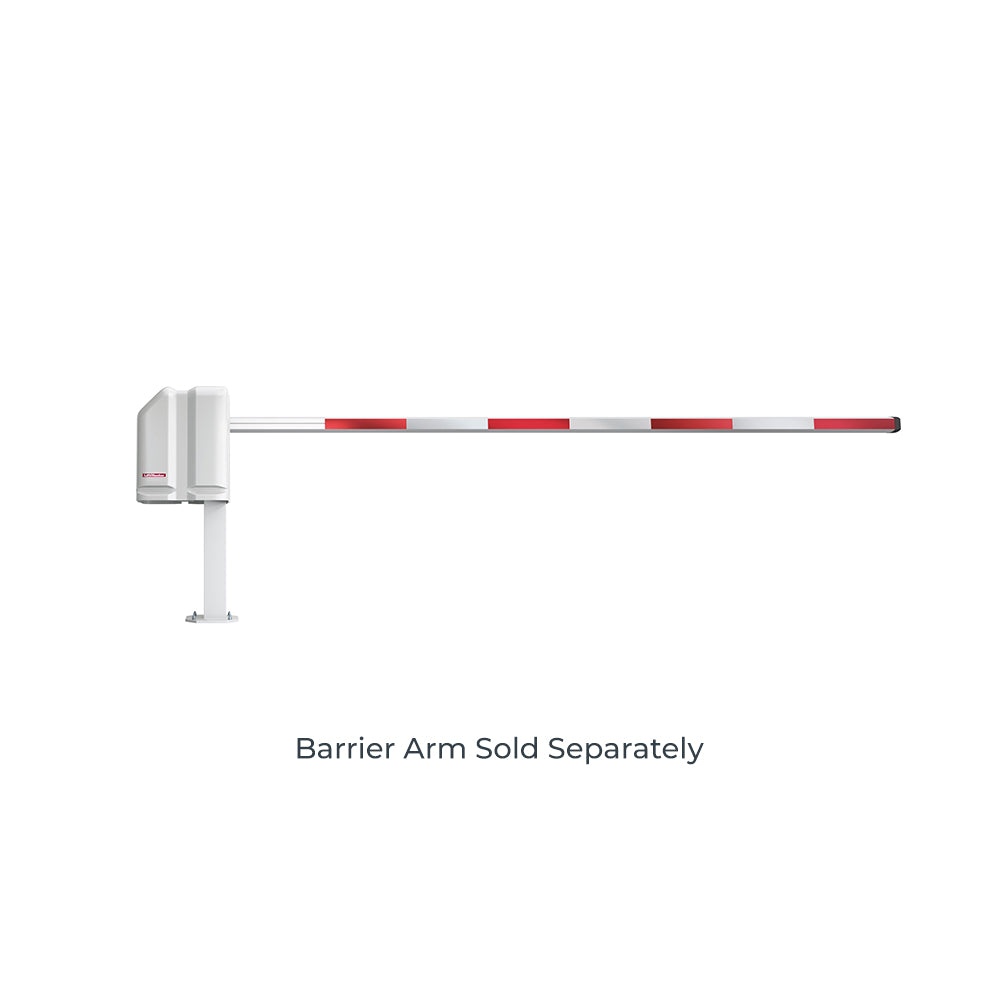
Automatic gates. Automatic gate operators control vehicle entry and pair with keypads, card readers, or intercoms so trucks and staff get in without a guard opening the gate by hand.
Lighting and detection. Bright, even lighting across parking lots, pathways, and the building exterior is one of the best deterrents there is. Pair it with perimeter detection systems to catch movement along the fence line before anyone reaches a door.
-
Hardened entry points. Keep the number of exterior doors to the minimum you need, and fit them with heavy-duty doors and commercial-grade locking hardware.
Control who gets in: access control and visitor management
Once someone reaches a door, access control decides whether it opens. In a busy warehouse with shifts, drivers, and contractors, this is where day-to-day security is won or lost.
Electronic credentials
Replace metal keys with keycards, fobs, PIN codes, or biometric readers at every door that matters. Modern access control systems let you grant access by role and shift, and revoke it instantly when someone leaves, no rekeying required.
Visitor and driver management
Require visitors, truck drivers, and contractors to sign in, carry a temporary badge, and be escorted where appropriate. A clear check-in process keeps unknown people from blending into the flow of a busy dock.
Restricted, high-value zones
Not every employee needs access to everything. Use secondary access control, or locked security cages, around your most valuable or sensitive inventory so only authorized staff can reach it.
For larger facilities, our guide to planning a multi-door access control system walks through how to map doors, roles, and credentials before you buy.
See everything: security cameras and video surveillance
Cameras do double duty: they deter problems and document what happened when something goes wrong.
For full coverage, focus cameras on the areas that matter most:
-
Entrances and exits for a record of everyone who comes and goes.
-
Loading docks where cargo theft and unauthorized trailer access are most likely.
-
Main aisles and high-value zones to monitor activity inside.
-
Parking lots and the perimeter to catch issues before they reach the building.
Pan-tilt-zoom (PTZ) and high-definition security cameras and CCTV systems let you cover large open spaces with fewer units, and remote viewing means managers can check the floor from anywhere.
Detect and deter: alarms and intrusion detection
Cameras show you what happened; alarms tell you it’s happening now.
-
Door and window sensors trigger the moment a secured opening is forced.
-
Motion and glass-break detectors cover open floor space and vulnerable windows after hours.
-
Exit-door alarms stop “piggybacking” and quiet theft through emergency exits.
Tie these into a monitored system so the right people, and when needed, law enforcement, are alerted immediately, even when the building is empty.
Protect high-value inventory and loading docks
The loading dock is where most cargo loss happens, so it deserves its own attention.
-
Dock security. Use dock locks, seals, and controlled procedures so trailers can’t be opened or moved without authorization.
-
Security cages. Lockable cages or strongrooms keep your highest-value SKUs separate and tightly controlled.
-
Inventory tracking. RFID tags and barcode scanning keep real-time counts, so shrinkage is caught quickly instead of at the next audit.
Don’t overlook the inside: people and procedures
It’s an uncomfortable truth, but a large share of warehouse loss comes from inside, through theft, process gaps, or simple mistakes, not just break-ins. The aim isn’t to treat your team as suspects; it’s to build a system that protects honest employees and removes easy opportunities.
-
Screen and onboard well. Reasonable background checks and clear policies set expectations from day one.
-
Use access logs. When credentials record who entered which area and when, accountability protects everyone.
-
Train the team. Employees who know the procedures, badging in, escorting visitors, reporting issues, are your best sensors.
-
Separate duties. Splitting responsibility for receiving, storing, and shipping reduces both fraud and honest errors.
Building a layered warehouse security system
The layers work best when they work together, gates, doors, cameras, and alarms managed as one connected system rather than a pile of disconnected gadgets.
-
Map your risks. Walk the property and note every door, dock, fence line, and high-value zone.
-
Match layers to risk. Put the strongest controls where the value and exposure are highest.
-
Choose equipment that integrates. Readers, cameras, and alarms should share one platform so your team isn’t juggling systems.
If you already have a system in place, our guide to upgrading your warehouse security covers what to prioritize first.
Common warehouse access control mistakes to avoid
Even good systems leave gaps when they’re set up in a hurry, and a few mistakes show up again and again.
-
Too many active doors. Leaving every exterior door live makes unauthorized access easy and stretches your cameras thin.
-
No monitored alarms. Skipping monitored alarm systems means a break-in at 2 a.m. goes unanswered until morning.
-
Shared codes and badges. One gate code across a whole shift erases accountability and makes internal theft almost impossible to trace.
-
Once-a-year inventory checks. Treating inventory tracking as an annual audit lets shrinkage build quietly for months.
The fix is to treat warehouse access control as an ongoing program, not a one-time install. Review who has access each quarter, deactivate credentials the day someone leaves, test your alarm systems and cameras on a schedule, and right-size permissions so a forklift driver, a dock supervisor, and a visiting contractor don’t all open the same doors. When permissions match real roles, unauthorized access and internal theft both become far harder, and your warehouse access control protects not just your stock but the people who work in the building.
Frequently asked questions
How is security provided in a warehouse?
Warehouse security is provided in layers: a controlled perimeter (fencing, gates, lighting), access control on doors, video surveillance, alarms and intrusion detection, loss prevention for high-value inventory, and trained staff following clear procedures.
What are the main types of warehouse security systems?
The core types are perimeter security, access control systems, video surveillance (CCTV), and alarm/intrusion detection, often combined with inventory tracking and visitor management for full coverage.
How do warehouses prevent inventory theft?
By combining physical barriers (cages, dock locks), access control on high-value zones, cameras at docks and aisles, real-time inventory tracking, and internal controls like access logs and separation of duties to deter both external and internal theft.
What security do burglars avoid most?
Visible, layered security, bright lighting, obvious cameras, a controlled gate, and monitored alarms, signal that a property is hard to enter and easy to get caught at, which is exactly what opportunistic intruders avoid.
Protecting inventory, people, and uptime
A warehouse or distribution center has too much at stake to rely on a lock and a hope. The strongest protection comes from layers that reinforce each other, perimeter, access control, cameras, alarms, loss prevention, and a well-trained team.
Start by mapping your risks, secure the highest-value points first, and choose integrated equipment that can grow with your operation. Done right, a warehouse security system doesn’t just stop theft; it keeps your shipments moving and your people safe.