Skip to content

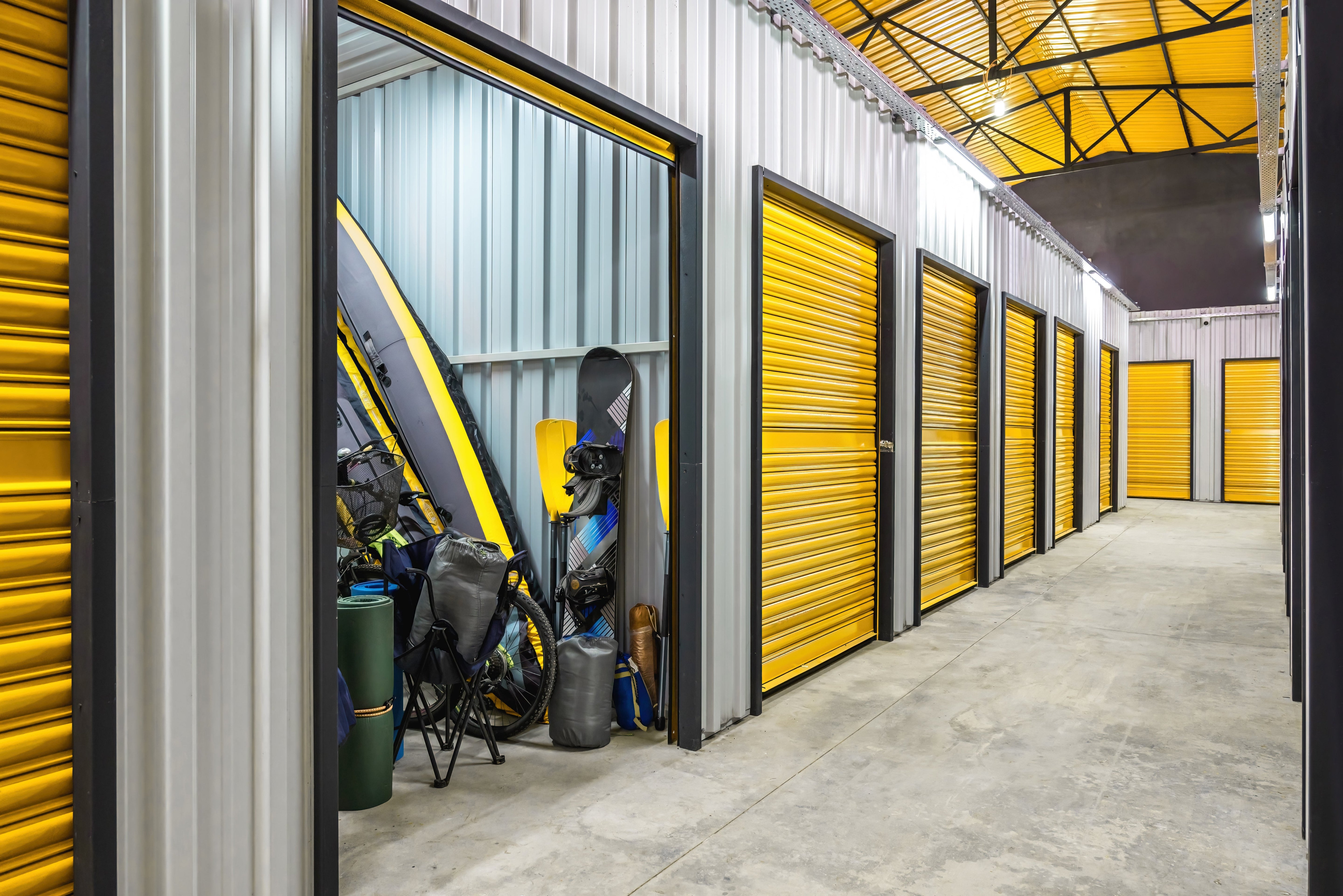
Many people use self storage for furniture, seasonal items, business inventory, vehicles, and personal belongings.
But before renting a unit, one of the biggest questions is simple: how secure is self storage, really?
The answer depends on the facility.
Some storage facilities invest in strong security measures like gate access, surveillance cameras, perimeter security, and access control systems. Others may only offer basic locks and limited monitoring.
Understanding what to look for can help renters choose a safer storage facility and protect their belongings.
Why Self Storage Security Matters
People trust storage facilities with valuable items. These may include electronics, family keepsakes, tools, documents, business equipment, or even vehicles.
Without the right storage security systems in place, a facility may be more vulnerable to theft, vandalism, break-ins, and unauthorized access.
Good self storage security is important because it can:
-
Protect renters' belongings
-
Reduce the risk of theft
-
Improve customer confidence
-
Help prevent damage to storage units
-
Support safer access for renters and staff
-
Lower the chance of a security breach
For facility owners, strong security can also improve reputation and help attract more customers.

Gated Access Is Often the First Layer of Security
One of the first things renters should look for is gate access.
Many storage facilities use entry gates to control who enters the property. Instead of allowing anyone to drive in, facilities can limit access to renters, employees, and approved visitors.
Gate access systems may include:
-
Keypad entry
-
Access cards
-
Mobile credentials
-
PIN codes
-
Remote gate controls
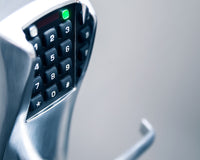
Keypad entry is especially common in the storage industry. Renters receive a unique code that allows them to enter the property during approved hours.
This makes it easier for facility owners to track who enters and exits the site.
A secure gate system also helps reduce the chance of unauthorized visitors walking or driving onto the property.
Surveillance Cameras Help Deter Theft
Video surveillance is one of the most important parts of self storage security.
Most modern storage facilities use surveillance cameras to monitor:
-
Entrances and exits
-
Hallways
-
Elevators
-
Parking lots
-
Loading areas
-
Fences
-
Individual unit rows
Security cameras can discourage theft because people are less likely to break into storage units when they know they are being recorded.
Cameras also help facility managers review footage after a break-in, suspicious activity, or damage complaint.
The best facilities use video surveillance systems that record around the clock and store footage for an extended period of time.
Facilities with poor camera coverage, broken cameras, or cameras that only cover the front office may leave blind spots across the property.
Access Control Systems Add Another Layer of Protection
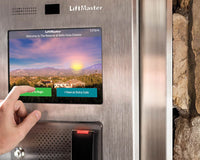
Access control systems help storage facilities manage who can enter specific areas.
For example, a renter may be able to enter the main gate and access their building, but not other parts of the property.
Some storage facilities use access control systems for:
-
Individual building entry
-
Elevator access
-
Climate-controlled storage areas
-
After-hours restrictions
-
Staff-only areas
-
Vehicle storage zones
This extra layer of security helps reduce the risk of someone wandering into places they should not access.
In larger storage facilities, access control systems may also work together with entry system logs and surveillance cameras.
This gives managers a better record of who entered a building, when they entered, and where they went.
Perimeter Security Helps Protect the Entire Property
Perimeter security is important because it helps protect the outside of the property, not just the storage units themselves.
Storage facilities often use perimeter security features like:
-
Fencing
-
Gates
-
Bollards
-
Motion sensors
-
Outdoor lighting
-
Alarm systems
-
Security cameras
-
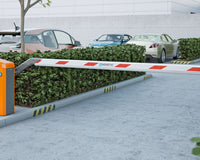
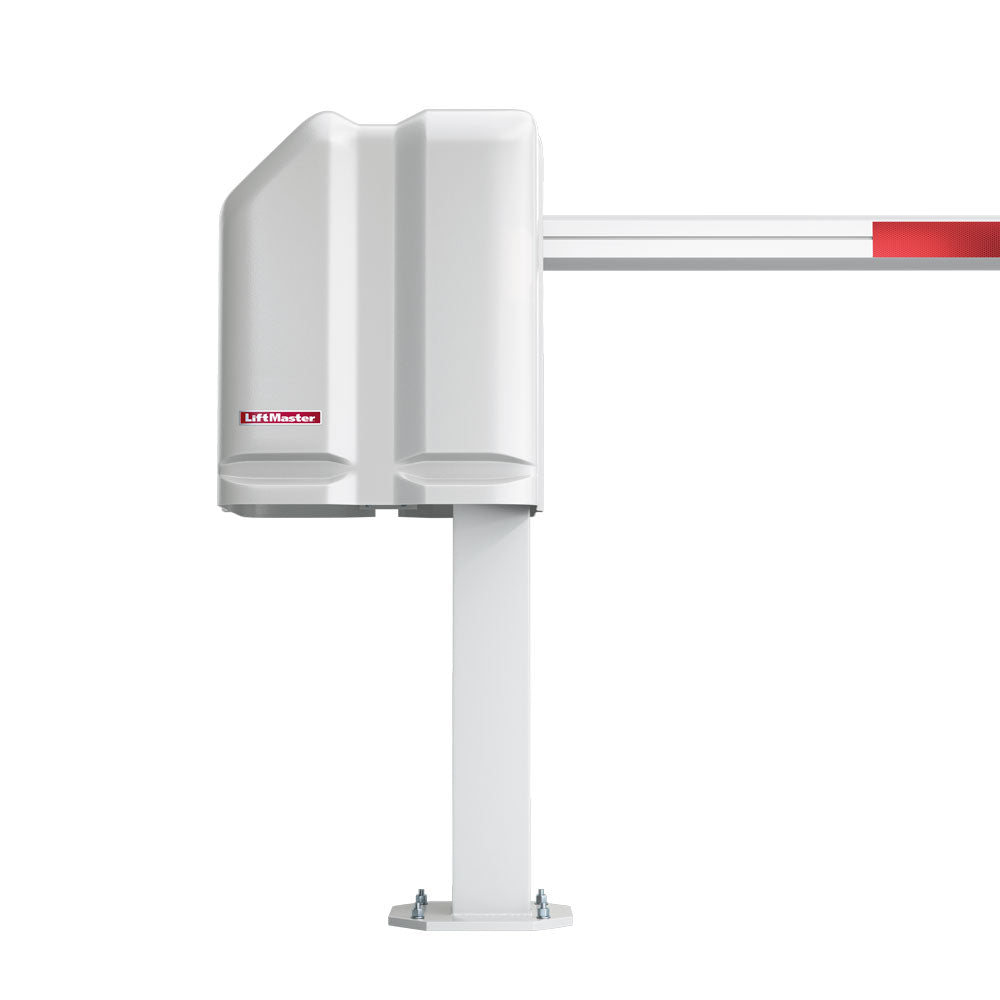
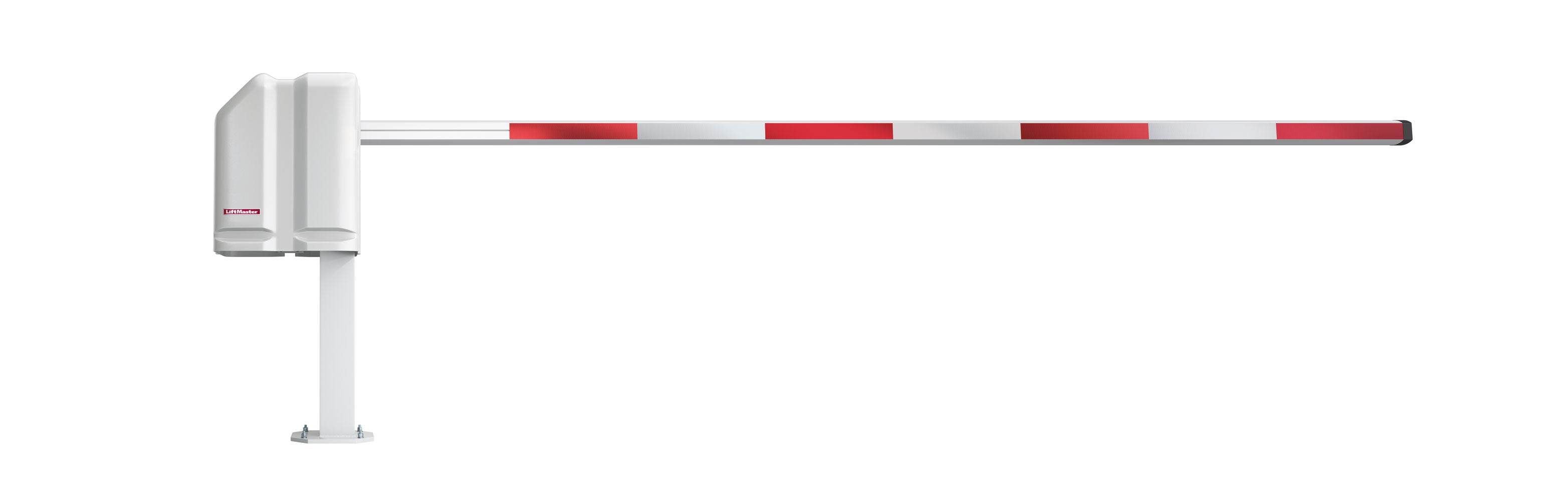
Entry barriers
These tools can help stop people before they even reach the storage buildings.
Motion sensors are especially useful at night because they can detect movement near fences, gates, and building entrances.
Some larger storage facilities may also use a security guard to patrol the property, especially after hours or at high-traffic locations.
Strong perimeter security can make a storage facility feel safer for renters while also reducing the risk of theft.
Not All Individual Units Have the Same Security
Even within the same facility, some storage units may be more secure than others.
Ground-floor units near entrances may be easier to access, while upper-floor or interior units may offer more protection.
Climate-controlled buildings often have extra security because renters need to pass through multiple doors before reaching their individual unit.
Renters should also pay attention to the type of lock they use.
A strong disc lock or cylinder lock is usually more secure than a basic padlock. Cheap locks may be easier to cut or break.
When choosing a unit, renters should ask:
-
Is the unit near a camera?
-
Is the unit inside a locked building?
-
Is the hallway well-lit?
-
Is there keypad entry to the building?
-
Are there signs of forced entry on nearby units?
-
Does the facility recommend a specific lock type?
These small details can make a big difference in storage unit security.
What Renters Should Ask Before Choosing a Facility
Before renting a storage unit, it is important to ask questions about the facility's security measures.
Some good questions include:
-
Is there gated access?
-
Does the property use keypad entry?
-
Are surveillance cameras recording 24/7?
-
Are there motion sensors on the property?
-
Is there an alarm system?
-
Are there access control systems for buildings?
-
Is there staff on-site?
-
Are there security guards?
-
What hours can renters access the property?
-
How often are cameras and gates checked?
A good storage business should be able to answer these questions clearly.
If a facility is vague about its security features, renters may want to look elsewhere.
Self Storage Security Works Best in Layers
The best storage security solutions use several tools together.
For example, a gate can stop unauthorized vehicles from entering, but it cannot record suspicious activity. A camera can record activity, but it cannot stop someone from cutting a lock. Motion sensors can detect movement, but they cannot control who enters a building.
This is why the strongest storage facilities combine multiple security measures like:
-
Gate access
-
Keypad entry
-
Video surveillance
-
Access control systems
-
Perimeter security
-
Motion sensors
-
Alarm systems
-
Good lighting
-
Strong locks
-
On-site staff
When all of these tools work together, storage facilities can provide better protection for renters and their belongings.
For facility owners looking to improve storage facility security, ASE offers solutions for gates, access control, perimeter protection, parking systems, and surveillance equipment through its self-storage solutions.
Choosing a Safer Storage Facility
Self storage security can vary from one facility to another.
Some storage facilities offer strong protection with gate access, surveillance cameras, perimeter security, and access control systems. Others may offer only basic protection.
Before renting a unit, it is important to look beyond the monthly price and pay attention to the facility's security features.
The more layers of protection a facility has, the more secure renters are likely to feel about storing their belongings.