Skip to content

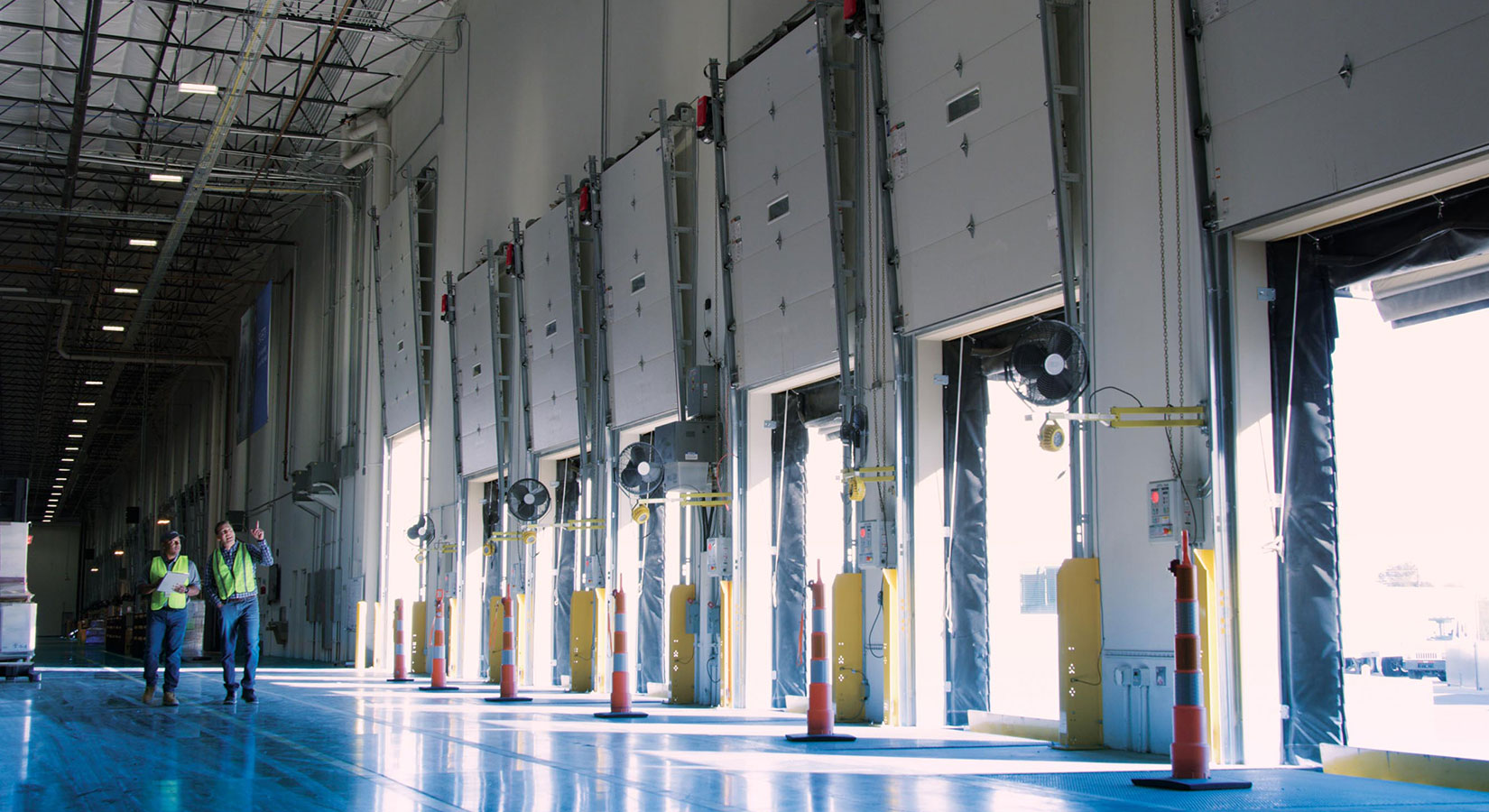
Choosing the right commercial door operators is important for any facility. Warehouses, factories, and commercial buildings rely on door systems every day. If the wrong operator is installed, it can slow down operations and increase maintenance costs.
LiftMaster is one of the most trusted brands in automatic door operator systems. Their lineup includes several models designed for different door types, sizes, and usage levels.
In this guide, we will break down the main LiftMaster commercial door openers and help you choose the right model for your facility.
What Are Commercial Door Operators?
Commercial door operators are motorized systems that open and close large doors automatically.
These systems are used in:
-
Warehouses
-
Distribution centers
-
Industrial facilities
-
Commercial garages
-
Retail loading areas
Unlike residential garage door openers, commercial operators are built for heavy duty use and frequent operation.
They are designed to handle large commercial doors, including sectional doors and rolling steel doors.
Types of LiftMaster Commercial Door Operators
LiftMaster offers several types of operators. Each type is designed for specific door setups and facility needs.
Hoist Operators
Hoist operators are commonly used for rolling steel doors and heavy-duty applications.
These operators use a chain hoist system. This allows manual operation when needed.
Popular models include:
-
LiftMaster MAXUM Hoist Commercial Door Operator
-
LiftMaster H Hoist Operator (1/2 HP and 3/4 HP)
-
LiftMaster GH Hoist Operator
These models work well in:
-
Warehouses
-
Industrial buildings
-
High-cycle environments
Hoist operators are a strong choice for facilities that need durability and reliable performance.
Trolley Operators
Trolley operators are designed for standard sectional garage doors.
These operators mount overhead and move the door along a track.
Available models include:
-
LiftMaster MAXUM Trolley Operator (with and without track)
-
LiftMaster T Industrial Duty Trolley Operator
Trolley operators are commonly used in:
-
Commercial garages
-
Service buildings
-
Smaller industrial spaces
They are a good option when the door follows a standard track system.
Jackshaft Operators
Jackshaft operators mount beside the door instead of above it.
This design saves ceiling space and works well in facilities with limited overhead clearance.
Popular models include:
-
LiftMaster J Industrial Duty Jackshaft Operator
Jackshaft operators are often used for:
-
High-lift doors
-
Vertical lift doors
-
Tight ceiling environments
They are a great choice for modern facilities that need flexible installation options.
LiftMaster MAXUM vs Traditional Models
LiftMaster offers both traditional operators and newer MAXUM models.

MAXUM Commercial Door Operators
MAXUM operators are the newest generation of LiftMaster commercial operators.
They include advanced features such as:
-
Built-in Wi-Fi connectivity
-
myQ Facility integration
-
Floor-level controls
-
Soft start and stop
-
Real-time monitoring
These features make MAXUM operators ideal for facilities that want better control and visibility.
Traditional LiftMaster Operators
Traditional models like H, GH, J, and T operators focus on durability and proven performance.
They are reliable and widely used in industrial environments.
These operators are best for:
-
Facilities with simple needs
-
Budget-focused projects
-
Replacement installations
How to Choose the Right Model
Selecting the right door operator depends on your facility and door type.

1. Door Type
Start by identifying your door type.
-
Rolling steel doors → Hoist operator
-
Sectional doors → Trolley operator
-
High-lift or vertical doors → Jackshaft operator
Choosing the correct operator type ensures proper performance.
2. Usage Frequency
How often does your door open and close?
High-traffic facilities need heavy duty commercial operators that can handle frequent cycles.
MAXUM models are a strong choice for high-cycle environments.
3. Available Space
Some buildings have limited overhead space.
In these cases, jackshaft operators are a better option because they mount beside the door.
4. Smart Features
If your facility needs monitoring and analytics, consider MAXUM operators.
With myQ connectivity, you can track door activity, receive alerts, and monitor performance in real time.
5. Power Requirements
Different models offer different horsepower options.
Larger doors and heavier applications may require higher horsepower operators.
Benefits of LiftMaster Commercial Door Operators
LiftMaster operators provide several advantages for commercial facilities.
Reliable Performance
These systems are built for daily use. They provide consistent operation even in demanding environments.
Heavy Duty Construction
Commercial operators are designed with strong components. This allows them to handle large doors and frequent use.
Improved Safety
Modern systems include safety features that protect people and equipment.
Increased Efficiency
Automatic door operators reduce manual work. This helps improve workflow and productivity.
Long-Term Value
Durable equipment reduces maintenance costs and extends system lifespan.
Which LiftMaster Model Is Best?
The best model depends on your facility.
-
Choose MAXUM operators if you want smart features and modern performance
-
Choose hoist operators for heavy rolling steel doors
-
Choose trolley operators for standard sectional doors
-
Choose jackshaft operators when space is limited
Each model serves a different purpose. The right choice depends on your door type, usage, and facility layout.
Choosing the Right LiftMaster Operator for Your Facility
Choosing the right commercial door operators is important for maintaining efficient operations.
LiftMaster offers a wide range of solutions for different commercial environments. From heavy-duty hoist operators to advanced MAXUM systems, there is a model for every application.
By selecting the right operator, businesses can improve performance, reduce downtime, and create a safer working environment.