Skip to content

Choosing the right gate operator is critical for government security. Facilities need systems that are reliable, durable, and able to handle high traffic.
Two of the most trusted brands are HySecurity and FAAC. Both are widely used across the United States in government and commercial projects.
But they are not the same. Each brand has strengths depending on the environment and use case.
This guide breaks down the key differences to help you decide which is right for your facility.

Quick Overview: HySecurity vs FAAC
HySecurity
-
Known for heavy-duty performance
-
Designed for high-cycle and high-security environments
-
Strong presence in critical infrastructure
FAAC
-
Known for smooth operation and efficiency
-
Offers a wide range of operator types
-
Strong in both commercial and government applications
Both brands support government security, but they serve different priorities.
Performance and Durability
HySecurity
HySecurity operators are built for extreme conditions. They handle heavy gates and constant use.
They are often used in:
-
Military bases
-
Airports
-
High-security government facilities
These systems are designed for long-term durability and minimal downtime.
FAAC
FAAC operators focus on smooth and efficient movement. They are reliable but often better suited for moderate to high usage.
They are commonly used in:
-
Government offices
-
Parking facilities
-
Controlled-access areas
FAAC systems are known for consistent performance and quieter operation.
Best Use Cases for Government Facilities
When to Choose HySecurity
HySecurity is the better option when:
-
Security is the top priority
-
Gates are large or heavy
-
Traffic is constant or high-volume
-
Downtime is not acceptable
This makes it ideal for federal government and high-risk environments.
When to Choose FAAC
FAAC is a strong choice when:
-
You need reliable daily operation
-
Traffic is steady but not extreme
-
Smooth and quiet performance matters
-
Budget flexibility is important
It works well in administrative buildings and public-facing facilities.
Integration with Access Control Systems
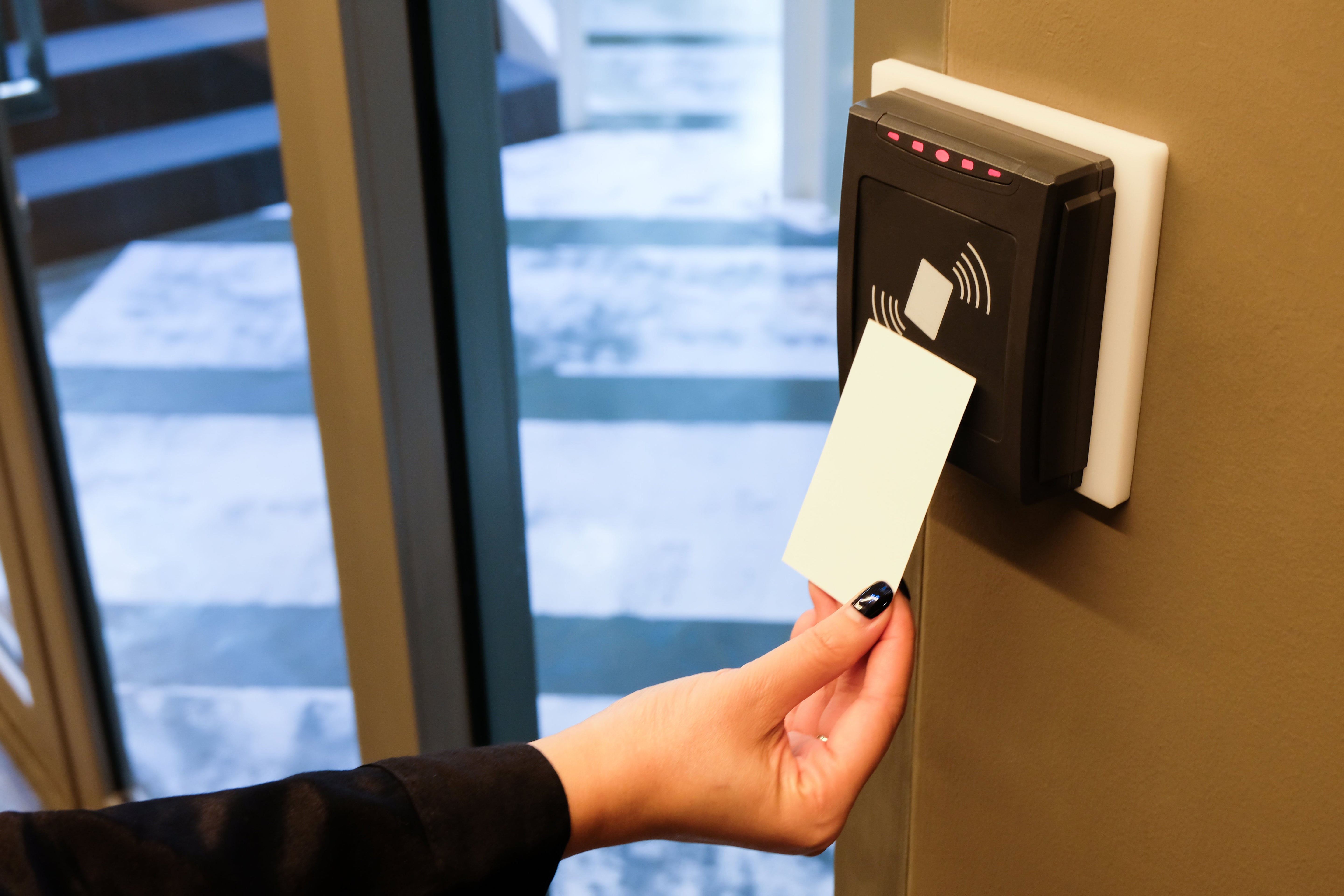
Both HySecurity and FAAC systems can integrate with modern security setups.
This includes:
-
Surveillance systems
Integration is essential for building a complete government security system.
Maintenance and Long-Term Costs
HySecurity
-
Higher upfront cost
-
Lower maintenance over time
-
Built for long-term use
FAAC
-
More affordable upfront
-
May require more frequent maintenance in high-use environments
When planning long-term, it’s important to consider total cost—not just purchase price.
Key Differences at a Glance
|
Feature |
HySecurity |
FAAC |
|
Best for |
High-security, heavy-duty use |
General government use |
|
Traffic handling |
Very high cycle |
Moderate to high |
|
Durability |
Extremely rugged |
Reliable and efficient |
|
Noise level |
Moderate |
Quiet operation |
|
Cost |
Higher upfront |
More budget-friendly |
How to Choose the Right Option
To choose the right system, ask:
-
How much traffic will the gate handle?
-
How critical is uptime?
-
What level of security is required?
-
What is the available budget?
For high-risk environments, HySecurity is often the better choice.
For standard government buildings, FAAC can provide the right balance of cost and performance.
Key Takeaways for Government Buyers
Both HySecurity and FAAC offer strong solutions for government security.
HySecurity stands out in high-security, high-traffic environments where durability is critical.
FAAC offers flexibility, efficiency, and cost-effective performance for many government applications.
Choosing the right system depends on your facility, risk level, and long-term needs.
FAQ
Are HySecurity operators better than FAAC?
Not always. HySecurity is better for heavy-duty use, while FAAC is better for general applications.
Which is best for high-security government facilities?
HySecurity is typically preferred for high-security and high-traffic environments.
Can both brands integrate with access control systems?
Yes. Both support integration with modern security systems.