Skip to content

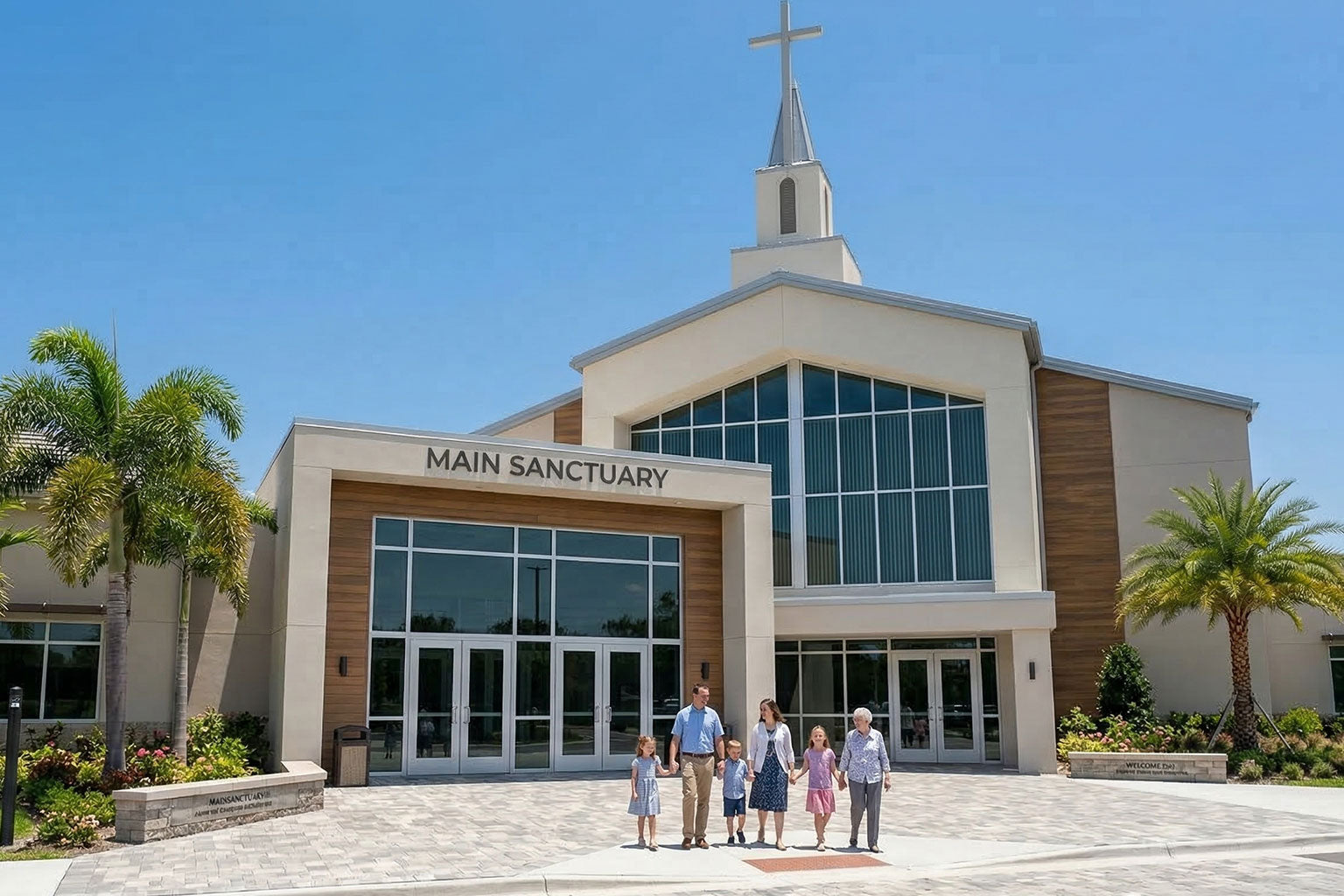
A church has a security problem most buildings never face: it has to swing between two extremes every single week. On Sunday morning the property needs to welcome hundreds of cars and strangers without friction. By Monday night, the same property is mostly empty, and the office, sound equipment, and donation storage are sitting quiet.
Gate operators and church access control are how congregations handle both modes without hiring a guard for each door. This guide covers how religious institutions manage Sunday traffic, lock down after hours, and stay welcoming while doing it.

The two modes of church security
Planning gets simpler once you name the two modes:
-
Open mode (services and events). Gates stay open or cycle freely, doors are unlocked, and the goal is smooth traffic in and out of the parking areas.
-
Closed mode (nights and weekdays). Vehicle gates close, exterior doors lock, and only staff, volunteers, and scheduled groups should get through.
Every piece of hardware you buy should make switching between those two modes automatic, because relying on a volunteer to remember the padlock is how gaps happen.
Gate operators that handle Sunday traffic
The vehicle entrance is the first decision. Churches usually pick between two styles:
-
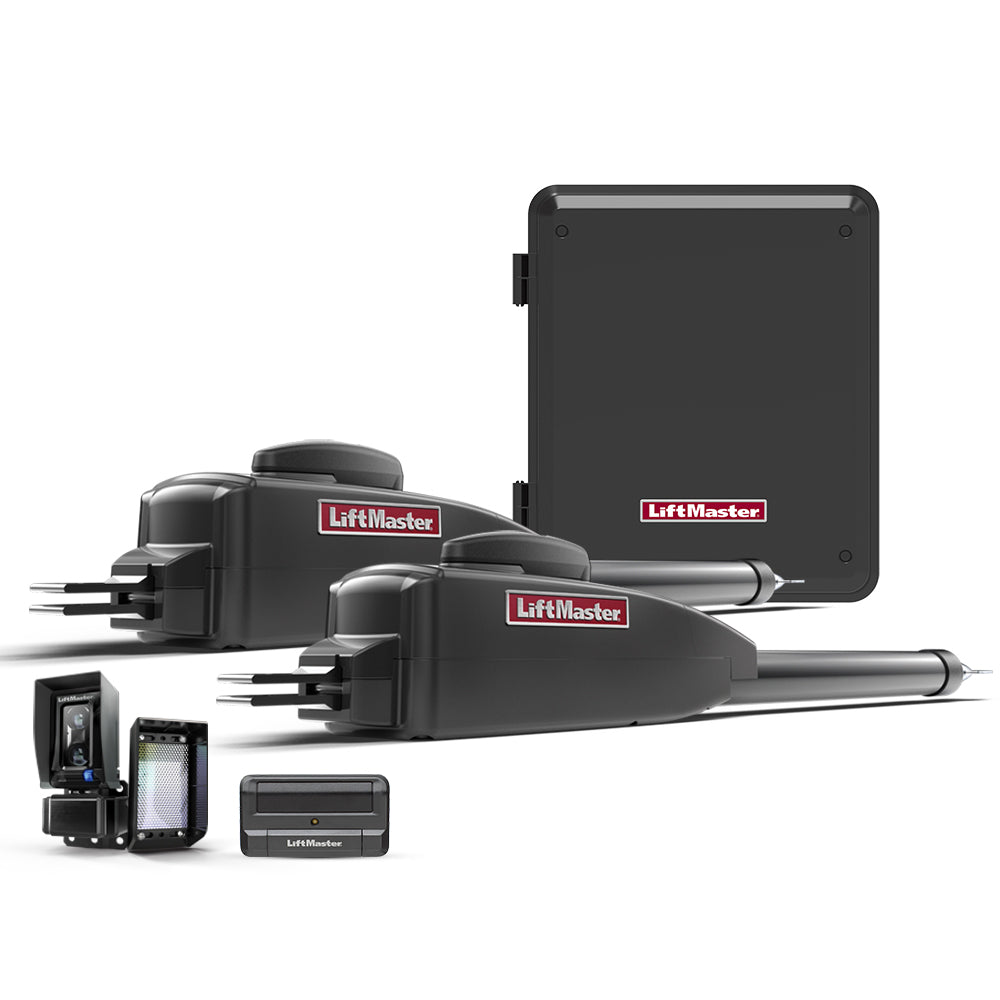
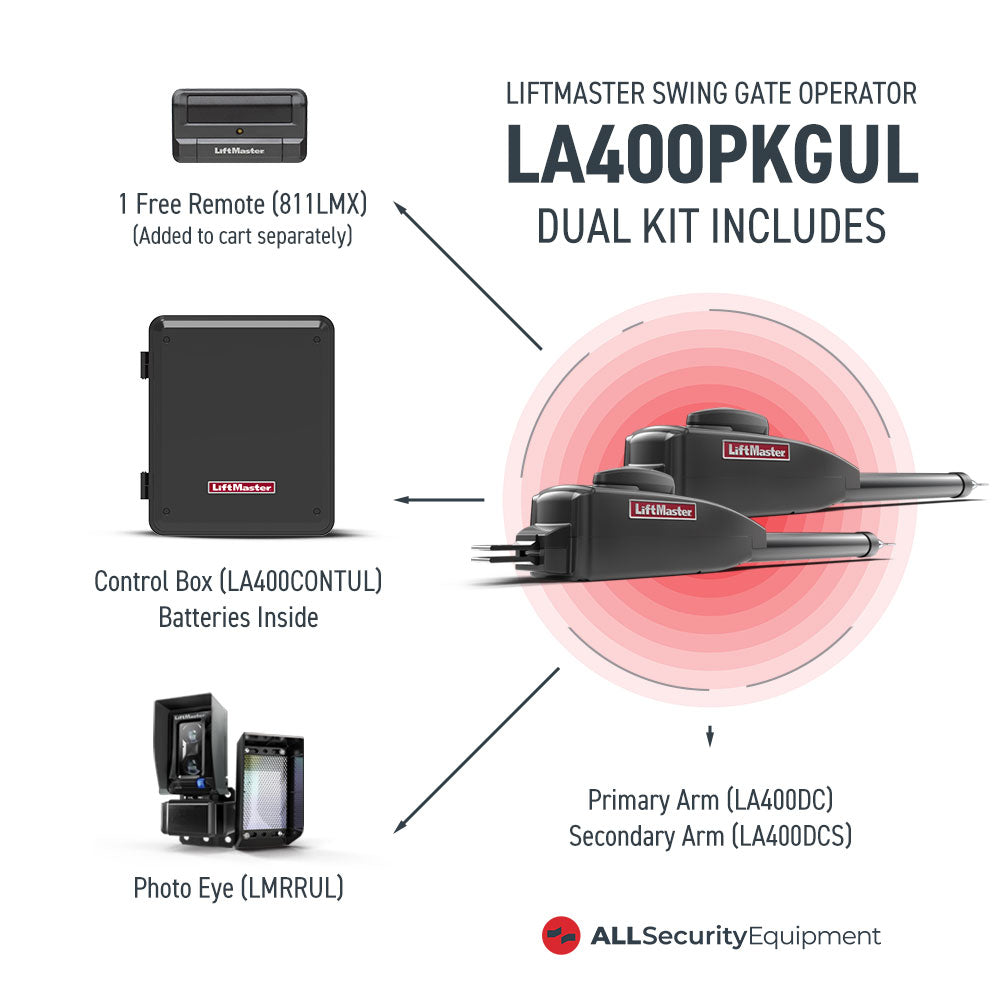
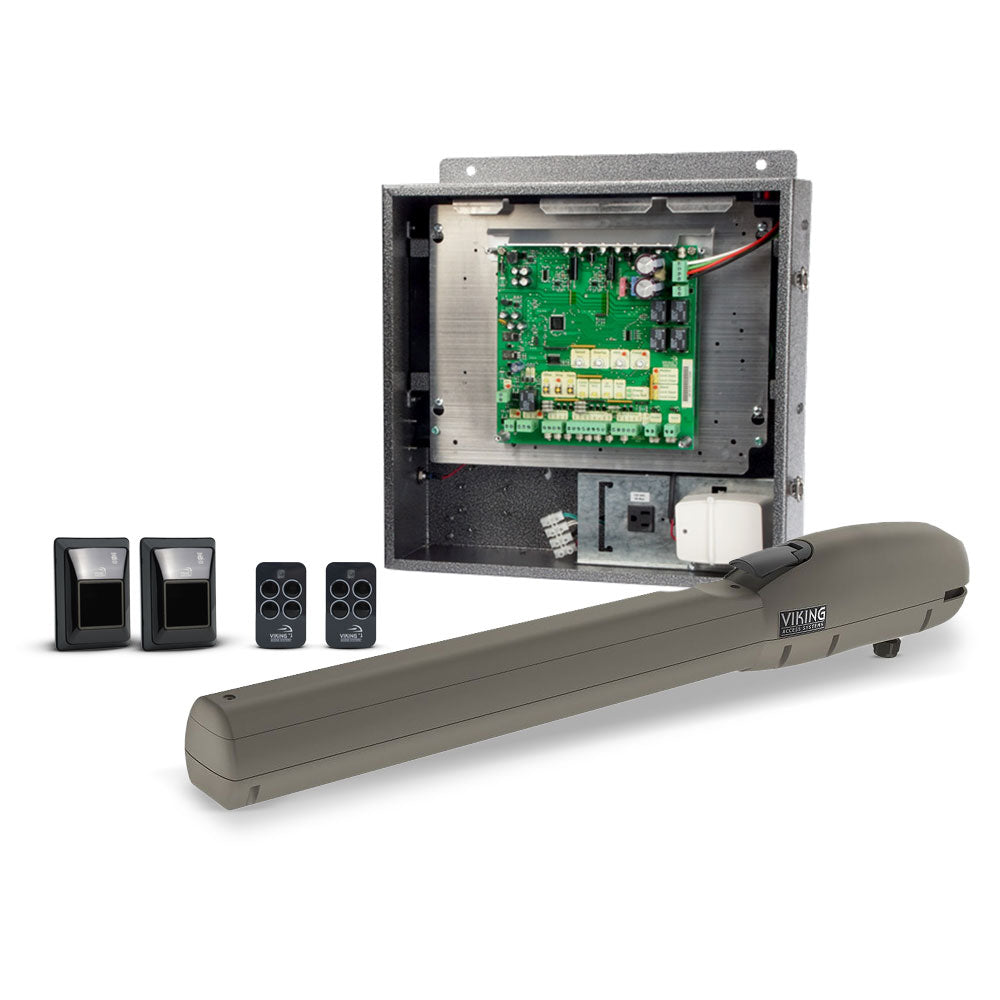
Swing or slide gate operators for the main drive. Modern commercial operators handle high-cycle days without overheating, and they accept timers, so the gate can open automatically before the first service and close after the last one. Browse swing gate openers and slide gate openers rated for your gate’s weight and length.
-
Barrier arms for overflow lots, where the goal is directing volume rather than securing a perimeter. We covered that setup in our guide to church parking lot barrier gate systems.
The feature that matters most for a congregation is scheduling. An operator on a timer means nobody has to arrive early to open the gate or stay late to close it, and closed mode actually happens every night instead of most nights.
Church access control beyond the gate
Once vehicles are handled, the doors decide everything else. A simple church access control setup usually covers three layers:
-
Main entries on a schedule: Electrified locks unlock for service hours and lock after, with staff carrying fobs or codes for everything in between.
-
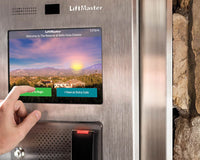
Restricted rooms: The office, media room, and anywhere donations or equipment live get their own keypad or card reader, so access follows the role, not the building. Keypads from our access control keypads collection handle this without issuing hardware to every volunteer.
-
Volunteer and rental access: Temporary codes let a cleaning crew or a Tuesday rental group in during their window and nowhere else, and you can delete the code when the arrangement ends.
The payoff is quiet control. Nobody confronts anyone, and nobody is chasing keys back from volunteers who moved away two years ago. When a fob goes missing, you revoke it in the software and move on.
After-hours security without a guard
Churches are targets precisely when nobody is there. Theft against religious institutions is common enough that insurers publish guidance on it, and most incidents are simple: an unlocked door, an open gate, an empty building.
Closed mode fixes the pattern. The gate operator closes the vehicle entrance on schedule, door locks engage on the same schedule, and the few people with weeknight business (pastors, elders, a youth group leader) use their own credentials. Pair it with cameras at the entries, which we covered in church security IP camera systems, and the property watches itself on the nights nobody can.
How to plan the system before buying anything
Most churches phase this work, and the order matters more than the budget. A simple planning pass for the board:
-
Map the property in two lists: Everything that should be open during services, and everything that should never be open to the public. The second list is usually shorter than people expect: office, storage, media room, cash handling.
-
Write the weekly schedule down: Service times, rehearsals, rentals, cleaning. That schedule becomes the programming for the gate operator and door locks, so disagreements surface on paper instead of at the property.
-
Phase the spending: Most congregations start with the vehicle gate on a timer and a keypad on the office, then add door schedules and cameras as budget allows. Each phase stands on its own.
-
Check egress rules early: Exit doors must always open freely from the inside, so locked-building planning is about who gets in, never about who can get out. Your local fire code has the final word on door hardware.
One more practical note: pick hardware a volunteer can operate. If arming the building requires a manual each time, the system will be bypassed within a month. Scheduled operators and simple keypads win because they ask nothing of anyone on a normal day.
Staying welcoming while staying secure
The worry every board raises is that security will make the church feel like a fortress. In practice the opposite tends to happen. Because the system handles closed mode automatically, the property can afford to be fully open when it counts. Gates sit open on Sunday. Doors unlock for every service. Visitors never see a credential.
Security that runs on a schedule is invisible to the congregation and visible only to the person who used to carry the master key ring.
Frequently asked questions
What is church access control?
It’s the combination of gate operators, door locks, and credentials (codes, fobs, or cards) that controls who can enter a church property and when. It lets the property open fully for services and lock down automatically after hours.
Do churches need gate operators?
Churches with their own parking benefit the most. A gate operator on a schedule opens the property for services and closes it at night, which manages Sunday traffic and stops after-hours parking abuse and theft without any staff involved.
How do churches manage keys for volunteers?
The practical answer is to stop using metal keys for shared doors. Keypad codes and fobs can be issued per volunteer and deleted when someone steps down, so access always matches the current roster instead of years of copied keys.
What about groups that rent the building?
Give each rental its own temporary code, limited to the doors and hours in the agreement. The code stops working when the rental ends, and the entry log shows exactly when the group came and went, which settles most disputes before they start.
Open on Sunday, locked by design
A church doesn’t have to choose between being welcoming and being protected. Put the vehicle entrance on a scheduled gate operator, put the doors that matter behind simple credentials, and let the system flip between open mode and closed mode on its own. The congregation sees a church that’s always open when it should be. You see one that’s never accidentally open when it shouldn’t be.