Skip to content

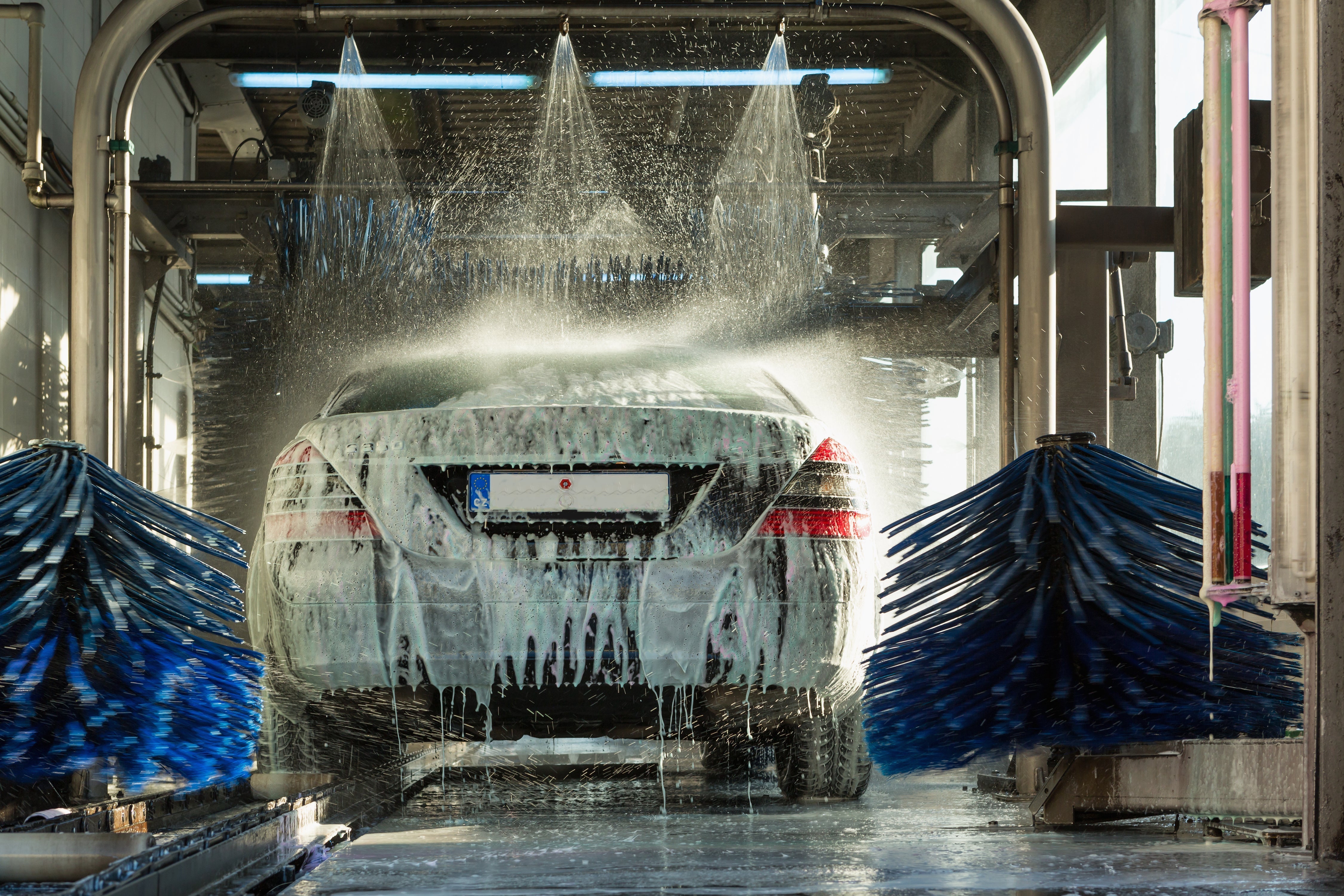
Car wash security conversations almost always start and end with cameras. Fair enough: theft, vandalism, and damage claims are real. But there’s a second layer that gets skipped, and it’s the one your employees feel every shift: who can walk into the equipment room, the cash office, or the break area behind the tunnel?
That’s an access control problem, not a camera problem. This guide covers how car wash access control protects staff-only areas, why it matters for employee safety, and the hardware that does it without slowing anyone down.

Why staff-only areas are the weak spot
A car wash is a strange building to secure. Customers are supposed to wander it: bays, vacuums, waiting areas, all open by design. That openness is exactly why the doors behind the operation matter so much.
-
The equipment room holds high-voltage panels, chemicals, and machinery that can genuinely hurt an untrained person. Keeping customers out is a safety obligation, not just a preference.
-
The cash office concentrates the day’s takings in one predictable place, and everyone who cases a car wash knows it.
-
Break rooms and back corridors are where lone employees end up at night, and an unlocked back door is how uninvited people end up there too.
One propped-open door defeats all three. The fix is making the secure state the default, so nobody has to remember to lock anything.
The hardware that locks down staff areas
A car wash doesn’t need an enterprise system. Three pieces cover almost every site:
-
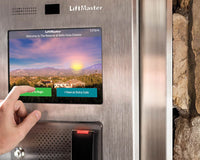
Keypads on staff doors. A PIN gets employees through in two seconds, codes change when staff change, and there are no keys to copy or lose. Weatherproof models from our access control keypads collection handle the wet, chemical-heavy environment of a wash.
-
Self-locking doors. Electric strikes and magnetic locks re-lock the moment the door closes, which kills the propped-door problem at the source. See the options in magnetic locks.
-
Alerts for the lonely hours. A driveway or door sensor that chimes inside tells a lone attendant that someone just entered the property, before that someone reaches the office. Kits like the EMX drive-thru alert kit were built for exactly this.
Employee safety is a routine, not a device
Hardware sets the stage, and a few habits finish the job:
-
Give every employee their own code: Shared PINs stop telling you anything the day someone quits. Individual codes mean you revoke one person, not retrain everyone.
-
Lock the cash path: The route from register to office to safe should pass only through doors that lock behind you. Frequent cash drops shrink what any robbery can take.
-
Protect the closer: Closing alone at night is the highest-risk moment of the day. Auto-locking doors, bright exits, and an entry alert give the last person out a fighting chance to see trouble before it’s close.
-
Audit quarterly: Walk every staff door and ask: does it lock itself, who has the code, and when did we last change it?
Zone by zone: where the locks go
Walk the property like a new employee on day one and the map draws itself:
-
Equipment and pump room: Keypad or fob, self-locking, no exceptions. This is the door with chemicals and three-phase power behind it, so access should match training, not curiosity.
-
Cash office: Self-locking door, short access list, and the safe anchored inside. If one door on the site gets a camera pointed at it, it’s this one.
-
Back corridor and break room: Auto-locking against the outside, free egress from the inside. Staff should never need a key to get out, only to get in.
-
Self-serve bays and vacuum areas at night: These stay open by design, which is exactly why the doors behind them can’t. If the site runs unattended overnight, the locked perimeter of staff areas is the only perimeter there is.
Unattended and 24-hour washes lean on this even harder. With no staff on site, a propped equipment-room door isn’t a small mistake, it’s an open invitation for the whole night.
Where cameras fit in the picture
None of this replaces video. Cameras remain the backbone of any car wash security system, and we’ve covered that side in detail: what to look for in car wash security cameras, protecting the site after hours, and the full theft and vandalism prevention checklist. Access control is the layer those posts assume: cameras record what happened, locked doors decide whether it happens at all.
Frequently asked questions
What access control does a car wash need?
Most sites are covered with keypads or fobs on the equipment room, cash office, and back-of-house doors, plus self-locking hardware so those doors never stay open by accident. Larger tunnels add an entry alert so staff know when someone drives onto the property.
Why not just use keys for staff doors?
Keys get copied, lost, and carried off by ex-employees, and a car wash has enough turnover to make that a monthly problem. Codes and fobs can be issued per person and deleted in seconds, so access always matches the current crew.
How does access control protect lone employees?
It keeps the spaces where an employee is vulnerable (the office, the equipment room, the back corridor) locked to outsiders by default, and pairs with entry alerts so a lone attendant is never surprised by someone already inside the building.
Safe crew, locked doors, open bays
A car wash makes money by being open. The trick is being open exactly where customers belong and locked everywhere else, automatically, on every shift. Put codes on the staff doors, let the locks close themselves, give the night closer an early warning, and your car wash security system finally protects the people running the place, not just the equipment.