Skip to content


Access control systems determine who can enter a building, room, or secured area. They replace traditional lock-and-key methods with electronic solutions that offer more flexibility, tracking, and security.
This guide explains how access control systems work, the main types available, and what to consider when selecting a solution for your home or business.
What Is an Access Control System?
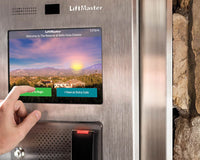
An access control system is an electronic security solution that manages entry to a property or specific areas within it. These systems use credentials such as PIN codes, key cards, fobs, or biometric data to verify identity before granting access.
Access control systems are used in commercial buildings, residential complexes, warehouses, healthcare facilities, and government buildings.
Types of Access Control Systems
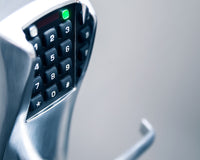
Keypad Systems
Keypad systems require a numeric code to unlock a door or gate. They are simple to install and maintain, making them a popular choice for small businesses and residential gates.
-
Low cost and easy to install
-
No physical credentials to manage
-
Codes can be changed quickly if compromised
Card and Fob Readers
These systems use proximity cards or key fobs that communicate with a reader mounted near the entry point. They offer faster entry than keypads and allow individual tracking of who enters and when.
-
Individual credentials for each user
-
Easy to deactivate lost or stolen cards
-
Works well for offices and multi-tenant buildings
Biometric Systems
Biometric systems use fingerprint scans, facial recognition, or iris scanning to verify identity. These offer the highest level of security because credentials cannot be shared or duplicated.
-
Ideal for high-security areas
-
Eliminates the risk of lost or shared credentials
-
Higher upfront cost but lower long-term credential management
Mobile-Based Access
Newer systems allow users to unlock doors using a smartphone app. This eliminates the need for physical cards and provides convenience for both property managers and tenants.
Key Features to Look For
-
Audit trails that log entry and exit times
-
Remote management through a web or mobile interface
-
Integration with cameras, alarms, and intercom systems
-
Scalability to add more doors or users over time
-
Weather-rated hardware for outdoor installations
Standalone vs. Networked Systems
Standalone systems operate independently at a single door. They are simpler and cost less but do not communicate with other access points.
Networked systems connect multiple doors and can be managed centrally. They are better suited for larger properties where centralized control and reporting are important.
How to Choose the Right System
Consider the following when selecting an access control system:
-
How many entry points need to be secured
-
The level of security required at each point
-
Whether remote management is needed
-
The number of users and how often credentials change
-
Budget for hardware, installation, and ongoing maintenance
Final Thoughts
Access control systems provide a flexible and trackable way to manage entry to any property. Matching the system type to the environment and security requirements ensures reliable performance and reduces risk.
FAQ:
Q: What is the most secure type of access control?
A: Biometric systems are generally the most secure because they rely on unique physical characteristics that cannot be easily shared or duplicated.
Q: Can access control systems work with existing security cameras?
A: Yes. Most modern access control systems integrate with security cameras, alarms, and intercom systems to provide a unified security solution.
Q: How much does an access control system cost?
A: Costs vary based on the type of system, number of doors, and features. Basic keypad systems start at a few hundred dollars, while networked biometric systems can cost several thousand.