Skip to content

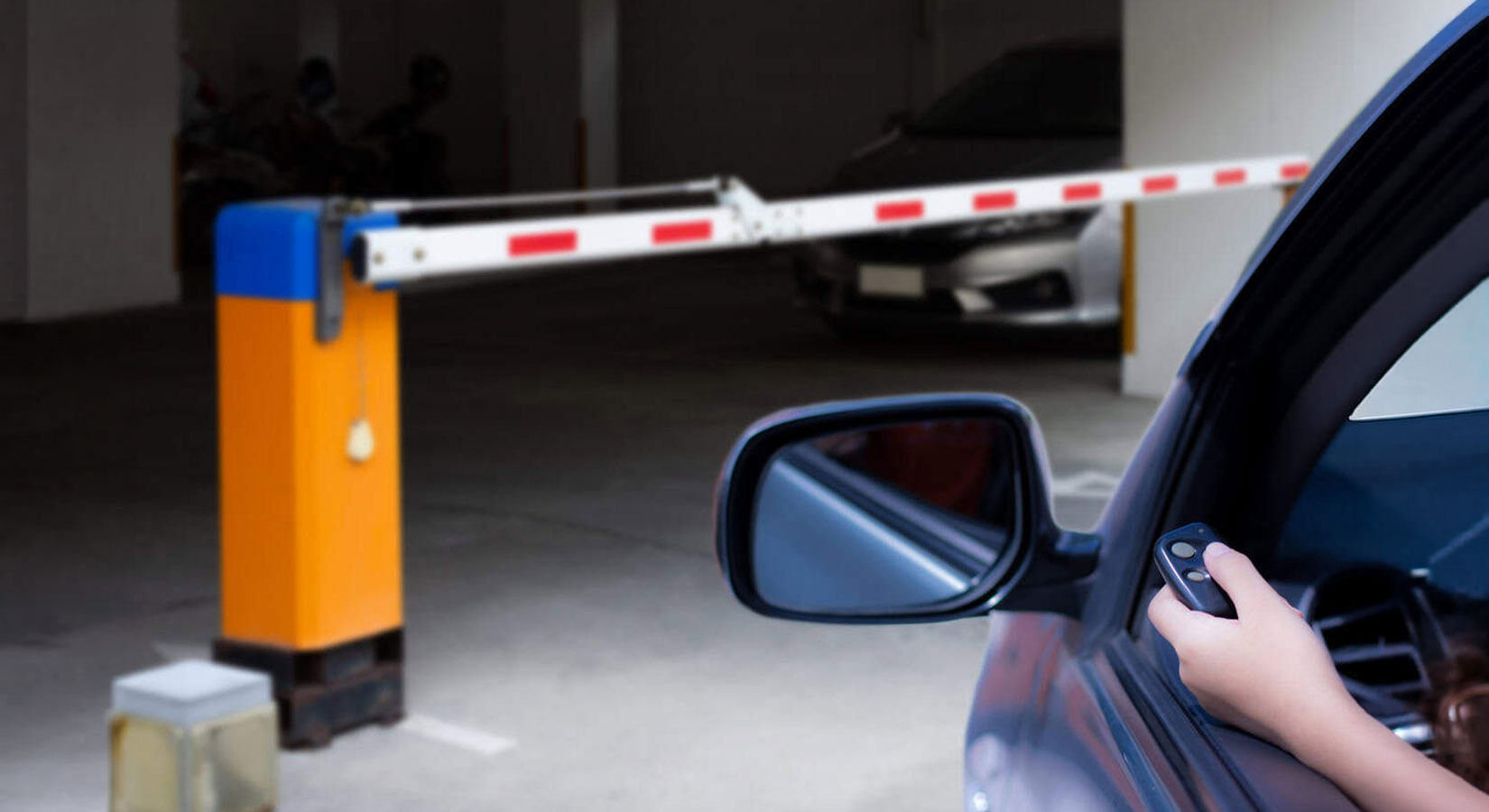
RFID can make vehicle access faster, easier, and more convenient, but the performance of an RFID system depends on more than choosing the right reader.
RFID tag placement, mounting surface, orientation, and the surrounding environment can all affect how reliably a vehicle is identified.
Whether you’re installing an RFID system for a gated community, parking facility, commercial property, car wash, or secure vehicle entrance, proper installation helps prevent missed reads and unnecessary delays at the gate.
At All Security Equipment, we carry EMX access control and vehicle detection solutions, including RFID products designed for automatic vehicle identification and controlled entry applications.
Here’s what installers should consider when setting up RFID tags for vehicle access.
How Does RFID Vehicle Access Control Work?
RFID, or Radio Frequency Identification, allows a reader to communicate wirelessly with a compatible credential or tag.
In a vehicle access control system, the RFID reader is typically installed near an entrance or exit. An authorized vehicle carries a compatible tag, and when that vehicle enters the reader’s detection area, the system reads the credential and sends the information to the access control system.
If the credential is authorized, the system can trigger the gate or barrier to open.
This process is commonly referred to as Automatic Vehicle Identification (AVI).
Because the driver doesn’t necessarily need to stop, enter a code, use a remote, or present a credential manually, RFID can provide a convenient hands-free access solution.
Where Is RFID Vehicle Access Used?
Automatic Vehicle Identification can be useful anywhere authorized vehicles need convenient and controlled entry.
Common applications include:
- Gated communities and residential properties
- Apartment and condominium entrances
- Commercial parking garages
- Employee parking lots
- Car washes
- Fleet facilities
- Industrial properties
- Secure or restricted vehicle entrances
The ideal reader, credential, and installation method will depend on the application, desired read range, traffic flow, and surrounding environment.
Choose the Right RFID Tag for the Application
Not every RFID credential is designed to be installed the same way.
Vehicle access systems can use several types of credentials, including windshield tags, hang tags, exterior-mounted tags, hard tags, and cards.
Windshield Tags
Windshield tags are designed to mount directly to vehicle glass.
They’re a convenient option for permanent vehicle identification because the driver doesn’t have to present a separate credential each time they approach the gate.
Placement is important, however. Metal surrounding the windshield and certain types of glass can affect RFID performance.
EMX recommends keeping its windshield tags at least 2 inches away from metal, including the metal frame surrounding the windshield.
Hang Tags
Hang tags typically hang from the vehicle’s rearview mirror rather than adhering permanently to the windshield.
This makes them useful for applications where credentials may need to be transferred between authorized vehicles or where a permanent adhesive tag isn’t preferred.
They’re commonly used in residential communities and corporate parking applications.
Tags for Difficult Vehicle Surfaces
Some vehicles make windshield tag installation more challenging.
EMX offers its Viper Tag for applications where a traditional windshield location may not be ideal. Depending on the installation, these tags can be positioned on surfaces such as glass, headlights, or underneath a side mirror.
This gives installers more flexibility when dealing with vehicles or surfaces that interfere with conventional RFID placement.
Hard Tags
Hard tags are designed for more demanding applications where a rugged credential is needed.
They can be particularly useful for fleet, industrial, and outdoor environments where the tag may be exposed to weather or harsher operating conditions.
The key is to select the credential based on how and where it will be used, rather than treating all RFID tags as interchangeable.
RFID Tag Placement Matters
One of the most important factors in RFID performance is placement.
The tag needs to enter the reader’s effective detection area as the vehicle approaches.
For windshield-mounted applications, this usually means selecting a location that gives the reader a clear opportunity to detect the credential without unnecessary interference.
Avoid placing a standard tag directly next to large metal components unless the credential is specifically designed for that type of surface.
Also consider how vehicles actually approach the entrance.
A tag location that works well when a vehicle is directly in front of the reader may perform differently if drivers approach from an angle.
Plan the tag location and reader position as a system.
Watch for Metal, Tinted Glass, and Other Sources of Interference
RFID uses radio frequency communication, which means surrounding materials can affect performance.
Metal is particularly important because it can interfere with the RF field and reduce read reliability when the credential isn’t designed for metal mounting.
Vehicle construction should therefore be considered during installation, including:
- Windshield frames
- Metal body panels
- Mirrors and mounting hardware
- Specialty or metallized window tint
- Other nearby RFID credentials
This is another reason testing should be part of every installation.
Instead of assuming that a credential will perform correctly based solely on its location, test it using the actual vehicle, reader, and approach path.
Reader Position and Orientation Matter Too
A perfectly installed RFID tag can still perform poorly if the reader isn’t positioned correctly.
According to EMX, reader orientation relative to the vehicle credential can have a significant effect on read range.
For best performance, the reader and tag should be positioned with their orientation in mind, particularly when using a linear-polarized RFID reader.
EMX recommends mounting the reader at least 18 inches away from concrete or metal surfaces to help minimize interference.
The reader should also be positioned so its detection area corresponds with the actual path vehicles take as they approach the gate.
Linear vs. Circular Polarization
Reader polarization is another factor installers should understand.
With a linear-polarized reader, tag orientation becomes particularly important. Incorrect orientation can reduce read performance.
A circular-polarized reader provides more flexibility because it’s less sensitive to the exact orientation of the credential.
For example, EMX’s Patriot-E uses circular polarization and is designed for long-range vehicle identification. EMX specifies a typical read range of approximately 18 to 25 feet, depending on the credential, installation, and environment.
For applications requiring a shorter detection zone, installers can consider a mid-range solution such as the EMX Patriot-MR, which is designed for approximately 6 to 10 feet of read range.
Choosing the appropriate read range is important. Longer isn’t automatically better—the reader should reliably identify the intended vehicle without unnecessarily detecting credentials outside the desired access lane.
Prepare the Surface Before Installing the Tag
For adhesive-mounted RFID tags, good surface preparation helps ensure the credential remains securely attached.
Before installation:
- Identify the recommended mounting location for the specific credential.
- Make sure the surface is clean and dry.
- Check for metal or other potential sources of interference.
- Confirm the tag orientation.
- Secure the credential according to the manufacturer’s instructions.
Avoid rushing directly from unpacking the credential to sticking it onto the windshield.
A few minutes spent checking placement can prevent troubleshooting later.
Always Test the RFID System After Installation
Testing is one of the most important steps in an RFID vehicle access installation.
Don’t simply verify that the reader detects the tag while the vehicle is parked next to it.
Test the system under realistic operating conditions.
Drive the vehicle toward the entrance using the normal approach path and verify that the credential is detected early enough for the gate or barrier to respond appropriately.
It’s also worth testing:
- Different authorized vehicles
- Different vehicle heights
- Normal approach speeds
- Different positions within the lane
- Multiple credential types, if the system uses them
- Performance under typical site conditions
If reads are inconsistent, review the tag location, reader position, orientation, surrounding materials, and system configuration before assuming there’s a defective component.
Common RFID Installation Mistakes
Many RFID performance problems can be traced back to a few installation issues.
Common mistakes include placing the tag too close to metal, using a credential that isn’t appropriate for the mounting surface, incorrect tag orientation, poor reader positioning, or failing to test the completed installation.
Another mistake is choosing a reader based only on maximum read range.
The goal isn’t necessarily to read a credential from as far away as possible. The goal is to create a consistent and controlled detection zone that works with the property’s traffic pattern and access requirements.
Build the Right EMX RFID System for Your Application
A reliable vehicle RFID system starts with matching the reader, credential, mounting location, and desired read range to the application.
That’s where choosing the right components makes a difference.
All Security Equipment carries EMX access control, RFID, vehicle detection, and safety products for automatic gates, parking facilities, gated communities, commercial properties, and other controlled-entry applications.
Whether you need a long-range RFID solution for hands-free resident entry, a more controlled mid-range detection zone, or vehicle detection equipment to complement your gate access system, our team can help you identify the appropriate EMX products for your project.
Shop EMX Access Control & Vehicle Detection Products at All Security Equipment