Skip to content

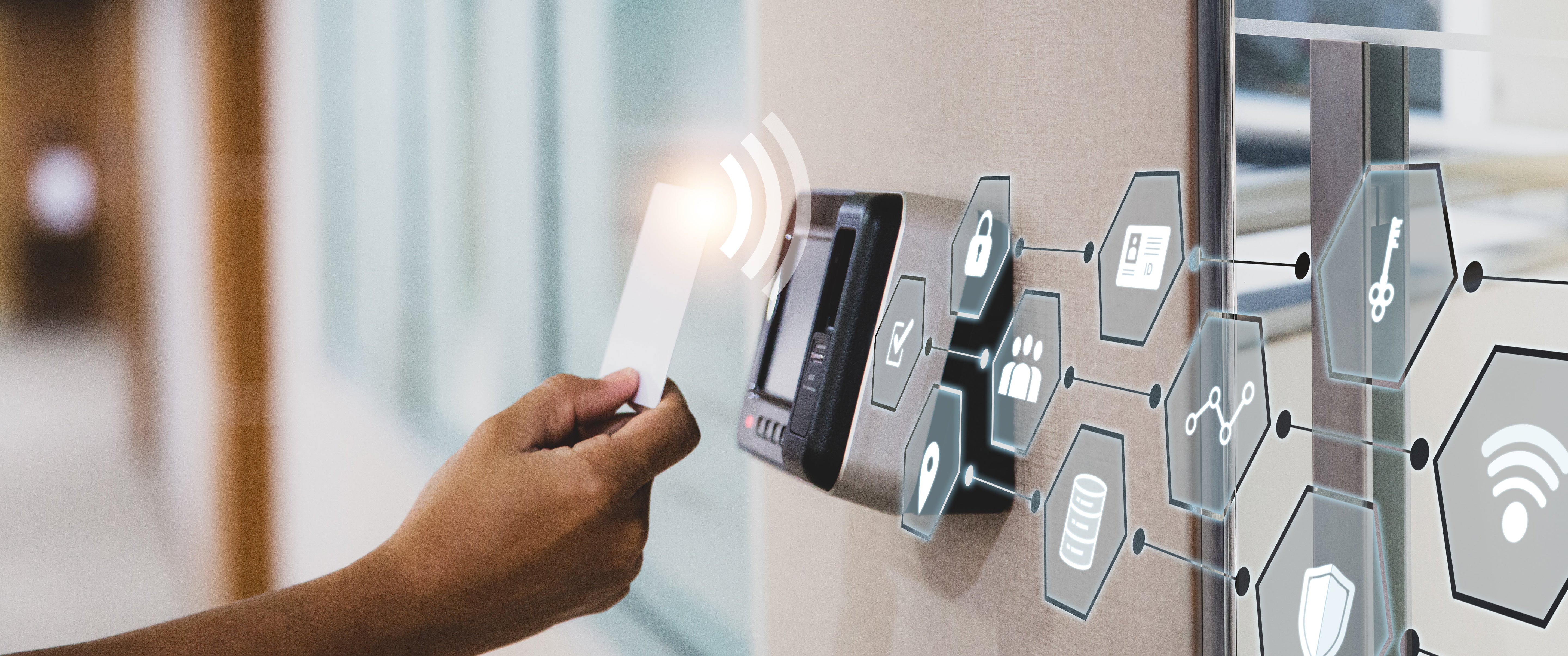
Choosing the right access control system is one of the most important decisions for securing your facility. Businesses today are moving beyond traditional setups and exploring newer, more flexible solutions.
Two main options stand out: cloud-based systems and on-premise systems.
Both are designed to manage door control, improve access management, and strengthen your overall security system. However, they work in different ways and offer different benefits.
Understanding how each option works will help you choose the best access control solution for your office, warehouse, or commercial property.
What Is a Cloud-Based Access Control System?
A cloud-based access control system stores data and runs software online instead of on a local server.
This means you can manage access from anywhere using a computer or mobile device. Many businesses are now using cloud-based access control equipment because it offers flexibility and ease of use.
With cloud-based systems, you can:
-
Control access remotely
-
Add or remove users in real time
-
Monitor activity from any location
-
Receive alerts and updates instantly
This type of access management is ideal for businesses with multiple locations or remote teams.
What Is an On-Premise Access Control System?
An on-premise system stores all data and software on servers located within your building.
This setup gives you full control over your system, but it also requires more maintenance and technical support.
With an on-premise access control system, you typically:
-
Manage everything on-site
-
Handle updates manually
-
Maintain hardware and servers
-
Control your own data storage
Many traditional businesses still use this model, especially when they require strict internal control over their systems.
Key Differences Between Cloud and On-Premise Systems
1. Access and Control
Cloud-based systems allow you to manage your access control solution from anywhere. You can unlock doors, update permissions, and view logs remotely.
On-premise systems require you to be on-site or connected to your internal network. This can limit flexibility.
2. Installation and Setup
Cloud-based systems are usually faster to install. They do not require complex server setups, making them easier to deploy.
On-premise systems often need:
-
Dedicated servers
-
IT support
-
Longer setup times
If you are looking for faster implementation, cloud solutions offer a clear advantage.
3. Maintenance and Updates
With cloud-based systems, updates are handled automatically. This keeps your security system up to date without extra effort.
On-premise systems require manual updates and ongoing maintenance. This can increase costs over time.
4. Scalability
Cloud-based systems are easy to scale. You can add new users, doors, or locations without major changes.
On-premise systems are harder to expand. Adding new access points may require hardware upgrades.
5. Security and Data Control
Both systems can be secure, but they manage data differently.
Cloud systems:
-
Store data securely online
-
Use encryption and backups
-
Offer remote monitoring
On-premise systems:
-
Keep data on-site
-
Provide full internal control
-
Depend on your internal security practices
Choosing between them depends on your security preferences and compliance needs.
How Access Control Equipment Fits Into Both Systems
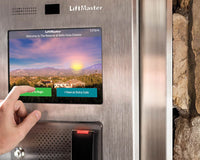
No matter which system you choose, you still need reliable access control equipment.
This includes:
-
Card readers
-
Keypads
-
Electric locks
-
Controllers
Both cloud and on-premise systems use these devices to manage door control and enforce access rules.
The difference is how the system processes and manages the data behind these devices.
Benefits of Cloud-Based Access Control
Cloud-based systems are becoming more popular for several reasons:
-
Remote access – Manage your system from anywhere
-
Lower upfront costs – No need for expensive servers
-
Automatic updates – Always running the latest version
-
Easy scaling – Add new users or locations quickly
-
Better visibility – Monitor activity in real time
These advantages make cloud-based systems a strong choice for growing businesses.
Benefits of On-Premise Access Control Systems
On-premise systems still offer important advantages:
-
Full control over data
-
No reliance on internet connectivity
-
Custom system configurations
-
Internal management of security policies
For businesses with strict compliance requirements, this level of control can be valuable.
Which Option Is Right for Your Business?
The best choice depends on your needs.
Choose cloud-based systems if you:
-
Manage multiple locations
-
Need remote access
-
Want a simple, scalable solution
-
Prefer lower maintenance
Choose on-premise systems if you:
-
Require full control over data
-
Have in-house IT support
-
Operate in a highly regulated environment
-
Prefer local system management
Both options can be part of a strong access control system, as long as they are set up correctly.
Best Practices for Choosing an Access Control Solution
When selecting your system:
-
Make sure it works with your existing access control equipment
-
Consider future growth and scalability
-
Evaluate your security and compliance needs
-
Think about long-term maintenance and costs
-
Choose a system that is easy for your team to use
A well-planned access management strategy will improve both security and efficiency.
Choosing the Right Access Control System
Cloud-based and on-premise systems both offer reliable ways to manage access and protect your facility.
Cloud solutions provide flexibility, ease of use, and scalability. On-premise systems offer control, customization, and local data management.
By understanding the differences, you can choose the right access control solution for your business and build a stronger, more effective security system.