Skip to content

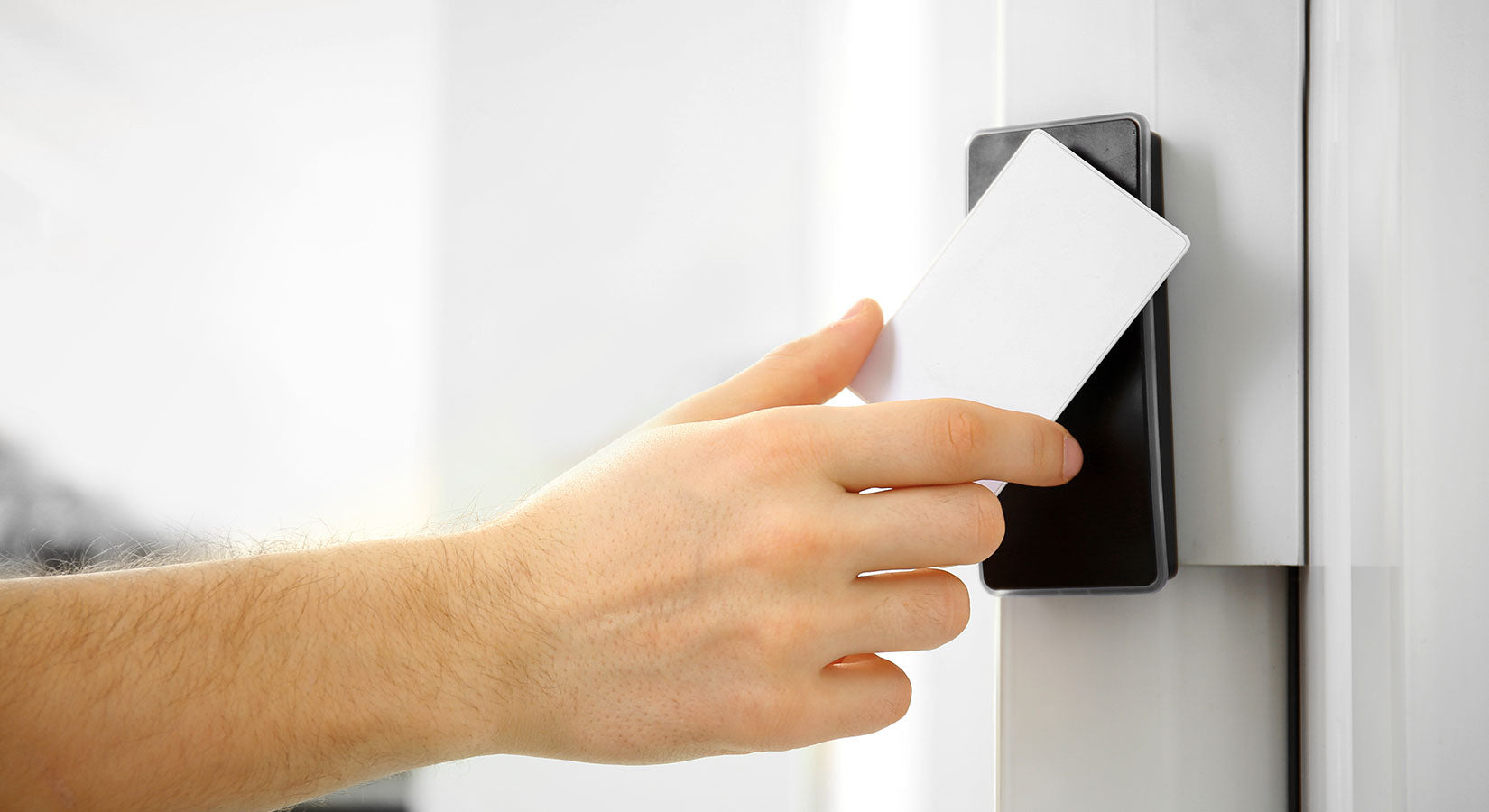
A reliable access control system is essential for keeping your building secure. It controls who can enter, when they can enter, and which areas they can access.
However, like any technology, access control systems can run into problems. Issues with access control hardware can lead to delays, security risks, or even complete lockouts.
The good news is that most of these problems are easy to identify and fix. With the right approach, you can restore your system quickly and keep your doors and gates working as expected.

Understanding Access Control Hardware
Before fixing problems, it helps to understand the main types of access control hardware used in a system.
Most setups include:
-
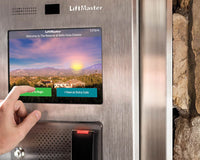
Card reader devices for scanning credentials
-
Magnetic lock or electric lock systems
-
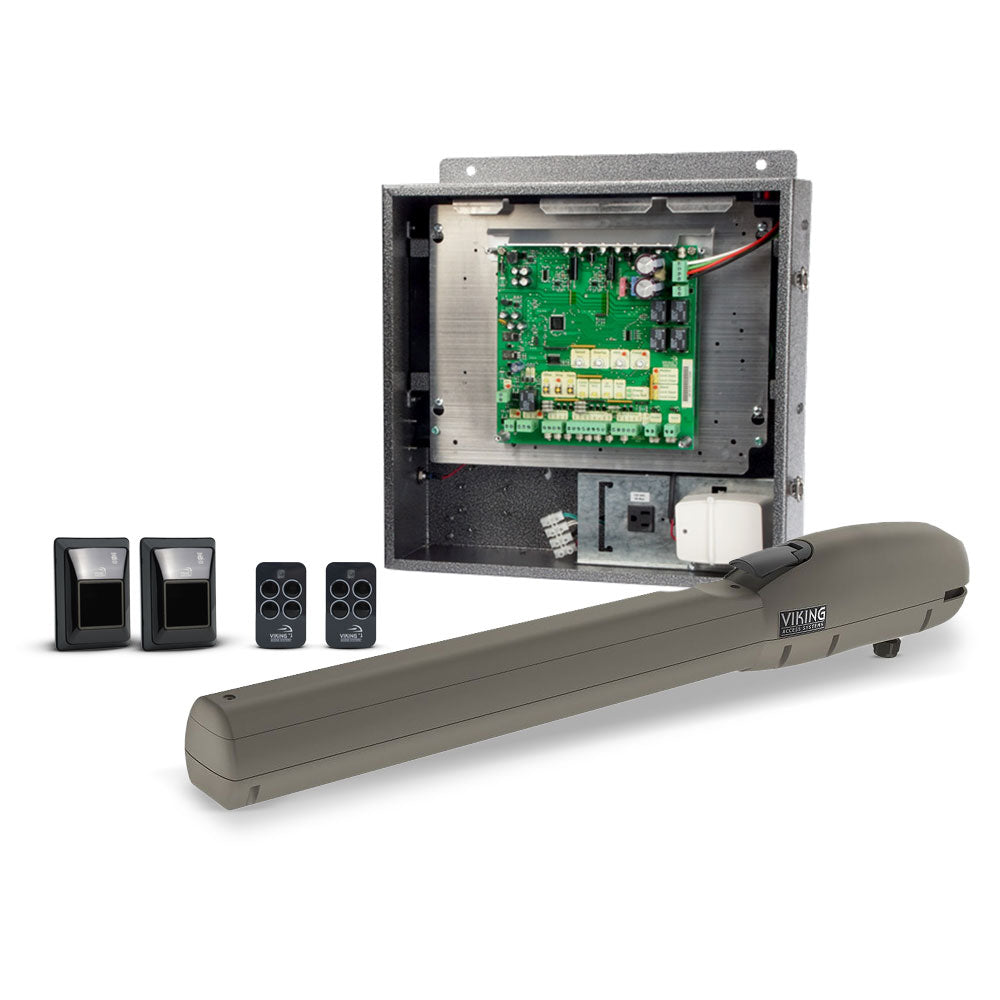
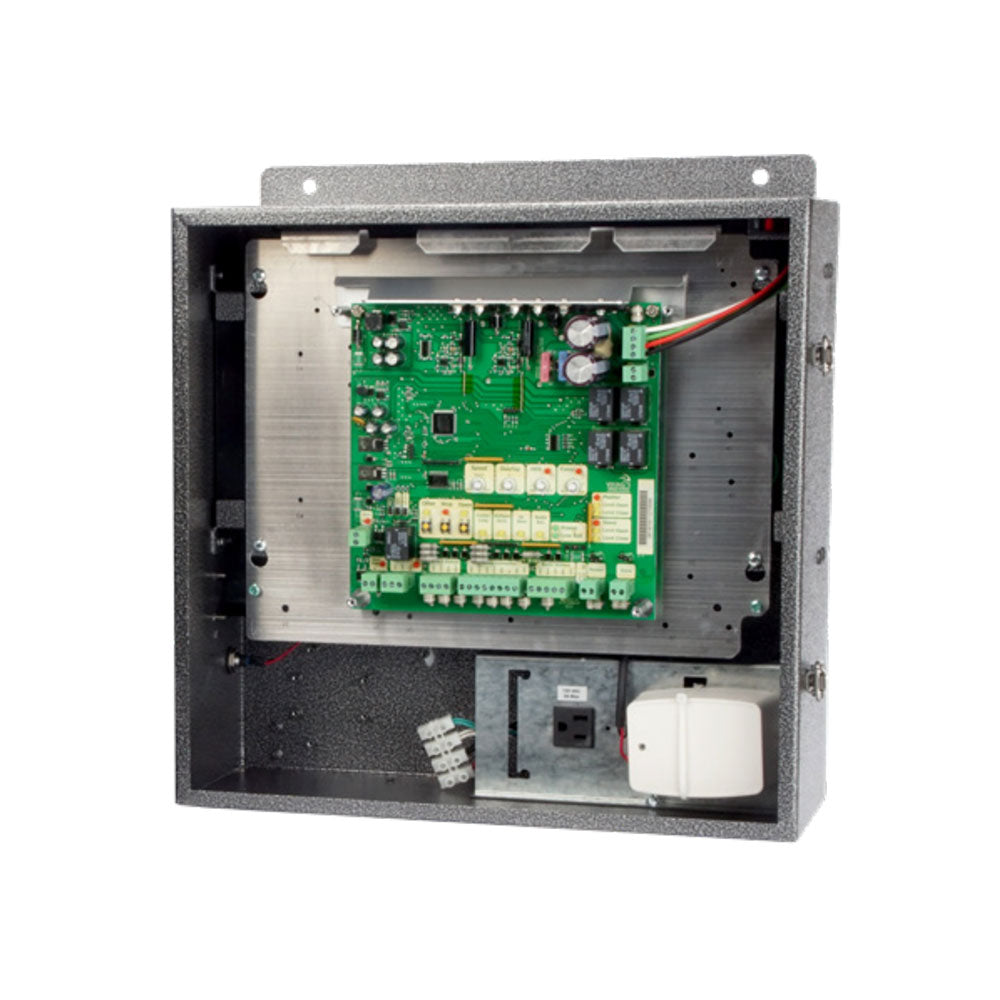
Access control panels that manage permissions
-
Keypads, sensors, and controllers
You can explore a wide range of access control hardware to support your system and replace faulty components when needed.
Each part plays a role in helping you secure door entry points and manage access effectively.
Problem #1: Card Reader Not Working
What Happens
A card reader may stop responding or fail to recognize valid credentials. This can prevent users from entering or cause delays at entry points.
Common Causes
-
Dirty or damaged reader surface
-
Worn-out access cards
-
Loose wiring
-
Power supply issues
How to Fix It
-
Clean the reader surface
-
Test with a different card
-
Check wiring connections
-
Restart the system
If the reader continues to fail, replacing the device may be the best option to restore proper access management.
Problem #2: Magnetic Lock Not Releasing
What Happens
A magnetic lock may stay locked even when access is granted. This can create safety concerns and block entry.
Common Causes
-
Power supply problems
-
Faulty wiring
-
Misaligned door or frame
-
Control system errors
How to Fix It
-
Check the power source
-
Inspect wiring connections
-
Realign the door and lock
-
Test the system settings
Magnetic locks rely on consistent power, so even small disruptions can cause issues.
Problem #3: Access Denied for Authorized Users
What Happens
Users who should have access are unable to enter. The system incorrectly deny access even when credentials are valid.
Common Causes
-
Expired or inactive credentials
-
Incorrect permissions in the system
-
Software errors
-
Sync issues between devices
How to Fix It
-
Check user permissions in the system
-
Update or reassign credentials
-
Sync all devices
-
Restart the system if needed
This issue is often related to system settings rather than hardware failure.
Problem #4: Doors Not Locking Properly
What Happens
A secure door may fail to lock after closing, leaving your building vulnerable.
Common Causes
-
Worn-out locks
-
Misaligned door hardware
-
Sensor malfunctions
-
Issues with access control panels
How to Fix It
-
Inspect the lock and replace if needed
-
Adjust door alignment
-
Check sensors and wiring
-
Test the access control panels
Regular maintenance can prevent this problem from happening.
Problem #5: System Not Responding
What Happens
The entire access control system becomes slow or unresponsive. Doors may not unlock, and commands may fail.
Common Causes
-
Software glitches
-
Network issues
-
Overloaded system
-
Outdated firmware
How to Fix It
-
Restart the system
-
Check network connections
-
Update software and firmware
-
Reduce system load if needed
Keeping your system updated helps avoid these issues.
Problem #6: Power Failures
What Happens
When power is lost, access control systems may stop working completely. This can affect both security and safety.
Common Causes
-
No backup power source
-
Faulty power supply
-
Electrical issues
How to Fix It
-
Install a backup battery system
-
Check power connections
-
Test fail-safe and fail-secure settings
A good system should still allow safe exit even during power loss.
Problem #7: Access Control Panels Malfunction
What Happens
Access control panels may stop communicating with devices or fail to process commands.
Common Causes
-
Hardware failure
-
Wiring issues
-
Software bugs
-
Overheating
How to Fix It
-
Restart the panel
-
Check all connections
-
Update firmware
-
Replace faulty panels if needed
Panels are the core of your system, so keeping them in good condition is critical.
Problem #8: Slow or Delayed Access Response
What Happens
Users experience delays when trying to enter. Doors take too long to unlock after presenting credentials.
Common Causes
-
Network latency
-
System overload
-
Outdated hardware
-
Poor configuration
How to Fix It
-
Improve network performance
-
Upgrade outdated devices
-
Optimize system settings
-
Reduce unnecessary processes
Fast response times are important for both convenience and security.
Best Practices to Prevent Access Control Problems
Preventing issues is easier than fixing them. Follow these best practices to keep your system running smoothly:
-
Perform regular maintenance on all access control hardware
-
Keep software and firmware updated
-
Train staff on proper system use
-
Inspect doors and gates regularly
-
Replace worn-out components early
These steps help extend the life of your system and improve reliability.
When to Replace Access Control Hardware
Sometimes, repairs are not enough. You may need to replace components if:
-
Devices fail repeatedly
-
Hardware is outdated
-
Security needs have changed
-
Repairs cost more than replacement
Upgrading your access control hardware can improve performance and strengthen your security system.
Keep Your Access Control System Running Smoothly
Access control systems play a key role in protecting your building. When problems happen, they can disrupt operations and create security risks.
By understanding common issues with access control hardware, you can fix problems faster and prevent them in the future.
Regular maintenance, proper setup, and reliable equipment are the keys to keeping your system working efficiently and ensuring every secure door stays protected.