Skip to content

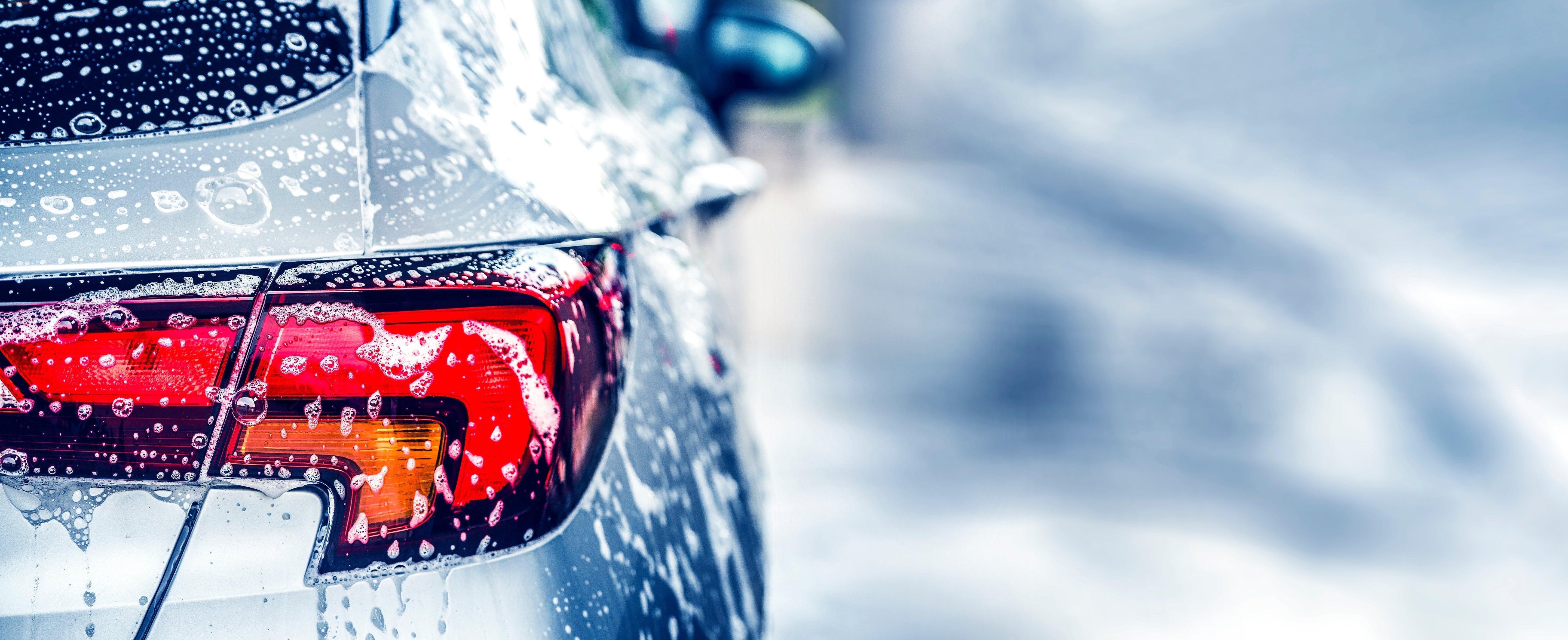
A car wash is one of the toughest environments for security cameras. You have water, steam, chemicals, and heavy vehicle traffic every day. Standard cameras wear out fast here, or fail at the moment you need them most.
Choosing the right car wash security cameras means picking systems that can handle those conditions without losing image quality. This guide covers what to look for, where to place cameras, and how to get the most out of your security camera system.
Why Car Washes Need Purpose-Built Cameras
Car washes deal with security risks that most businesses do not face. The combination of high traffic, cash transactions, and low staffing creates real exposure.
Common issues car wash owners report:
• Theft at pay stations and vending machines
• Fraudulent damage claims — customers saying the wash damaged their car
• Slip and fall claims that are hard to dispute without footage
• Employee theft and unauthorized access
• Vandalism after hours
• Vehicles skipping payment or tailgating through entry gates
Good cameras help you deal with all of these. But they have to survive the environment first.
The Challenge: Moisture, Steam, and Chemicals
The inside of a car wash tunnel is one of the harshest places you can put a camera. Water sprays in every direction. Steam builds up around drying equipment. Cleaning chemicals are in the air constantly.
Outside the tunnel, cameras face sun, rain, and temperature swings. Cameras that are not built for this fail quickly, lenses fog up, housings corrode, and image quality drops.
This is why standard cameras designed for offices or retail stores do not work well at a car wash. You need cameras rated for wet, chemical-heavy environments.

What to Look for in Car Wash Security Cameras
IP67 or Higher Weatherproof Rating
The IP rating tells you how well a camera handles dust and water. IP65 is fine for outdoor use. Inside a car wash tunnel, you need IP67 or IP68, cameras that can handle direct water jets and brief submersion.
Check the rating before you buy. A camera that looks rugged but only has an IP54 rating will not last long inside an active wash bay.
Corrosion-Resistant Housing
Water alone is tough enough. But car wash chemicals, detergents, wax, degreasers, speed up corrosion on metal housings and connectors. Look for cameras with stainless steel or high-grade plastic housings that resist chemical exposure.
Check that the cable connections and mounting hardware are also rated for wet environments. A great camera with corroded connectors will still fail.
Anti-Fog Lens Coating
Steam is a major problem inside tunnel washes and self-serve bays. Standard camera lenses fog up fast, and once they do, your footage is useless.
Look for cameras with heated lenses or anti-fog coatings. Some manufacturers build small heaters into the housing that keep the lens clear even in heavy steam. This feature matters a lot if you run a full-service tunnel wash.
High Resolution for License Plate Capture
Capturing license plates is one of the most important jobs a car wash camera does. You need clear plate images to handle damage claims, disputes, and drive-offs.
Use cameras with at least 1080p resolution at entry and exit points. 4K cameras give you sharper detail and make it easier to zoom in on a plate without losing clarity. Position these cameras at vehicle height, not angled steeply downward, for the best plate reads.
Wide Dynamic Range (WDR)
Car washes deal with dramatic lighting changes. Bright sunlight outside. Dark tunnel interiors. Headlights shining directly at cameras at the entry point.
Wide dynamic range (WDR) lets a camera handle bright and dark areas in the same frame. Without it, you get washed-out images in bright areas or black footage in shadows. WDR is essential at entry and exit lanes.
Color Night Vision
Most car washes operate early morning and evening hours. Some run 24 hours. Color night vision gives you full-color footage in low light, so you can identify vehicle colors, clothing, and other details that black-and-white infrared footage misses.
This makes a real difference when you review footage after an incident.
Vandal-Resistant Design
Pay stations, vacuum areas, and self-serve bays are common targets for vandalism. Cameras in these areas need dome or bullet housings built to resist impact. A camera that can be knocked out of position or smashed with a hand tool is not doing its job.
Where to Place Cameras at a Car Wash
Camera placement at a car wash is different from a standard retail or storage site. Here is where to focus for a complete setup. For more detail on what works for your specific operation, visit our car wash security solutions page.
Entry and Exit Lanes
Put a dedicated camera at every entry and exit point. Position it to capture the front and rear license plates of every vehicle. Use high-resolution cameras here, this footage is what you rely on for damage claims and drive-off incidents.
If you have pay stations at the entry, add a second camera angled at the driver and the payment area. This helps with fraud and theft at the transaction point.
Inside the Tunnel
Cameras inside the tunnel document what happens to each vehicle during the wash. This is your best defense against fraudulent damage claims.
Mount cameras at the start, middle, and end of the tunnel. Make sure the housing is rated for direct water exposure. Heated lens models are strongly recommended here.
Pay Stations and Vending Machines
Pay stations are a frequent target for theft and tampering. Put a camera directly on each pay station with a clear view of the screen, keypad, and the person using it.
Vending machine areas and change machines need the same attention. These spots see employee and customer theft more than almost anywhere else on the property.
Vacuum and Self-Serve Areas
Vacuum stations and self-serve bays are often out of view from the main building. They attract loitering, vandalism, and theft, especially after hours.
Cover every vacuum island and self-serve bay. Use cameras with motion-activated recording so you get alerts when someone is in these areas outside of business hours.
Parking and Waiting Areas
Customers waiting for their vehicle or using detailing services expect their car to be safe. A camera covering the parking and waiting area protects you from theft and dispute claims in these zones.
Office and Cash Handling Areas
If your car wash has an on-site office or cashier area, camera coverage here is essential. Internal theft is a major risk at car washes. Cameras in cash handling areas help you monitor transactions and protect against employee theft.
Wired or Wireless Cameras for a Car Wash?
Use wired cameras. A car wash environment creates too much interference for wireless cameras to be reliable. Water and metal surfaces disrupt Wi-Fi signals. A wired security camera system gives you stable, consistent footage without signal drops.
Run cables through conduit rated for wet locations. Protect all connections with waterproof junction boxes. A clean, well-protected cable run will outlast the cameras themselves.
Recording, Storage, and Remote Access
A car wash runs long hours. You need a recording system that keeps up with that volume and lets you pull footage quickly when you need it.
• Use an NVR with enough storage for 30 days of footage. Disputes and claims often come in days or weeks after an incident.
• Add cloud backup. If your NVR is damaged or stolen, cloud storage means you still have your footage.
• Set up remote access. You should be able to view a live feed and pull recorded clips from your phone.
• Use motion-triggered recording in low-traffic areas. It saves storage space and makes it easier to find relevant footage fast.
The Bottom Line
Car wash security cameras need to do more than record. They need to survive a tough environment and deliver clear footage when it counts.
When you choose and place your cameras, focus on:
• IP67 or higher ratings for wet areas and inside the tunnel
• Corrosion-resistant housing and connectors
• Anti-fog or heated lens for steam-heavy areas
• High resolution at entry and exit points for license plate capture
• WDR for entry lanes with direct sunlight or headlight glare
• Color night vision for early morning and evening hours
• Coverage at pay stations, self-serve bays, and vacuum areas
Browse our full range of security cameras built for car washes and high-moisture environments.