Skip to content

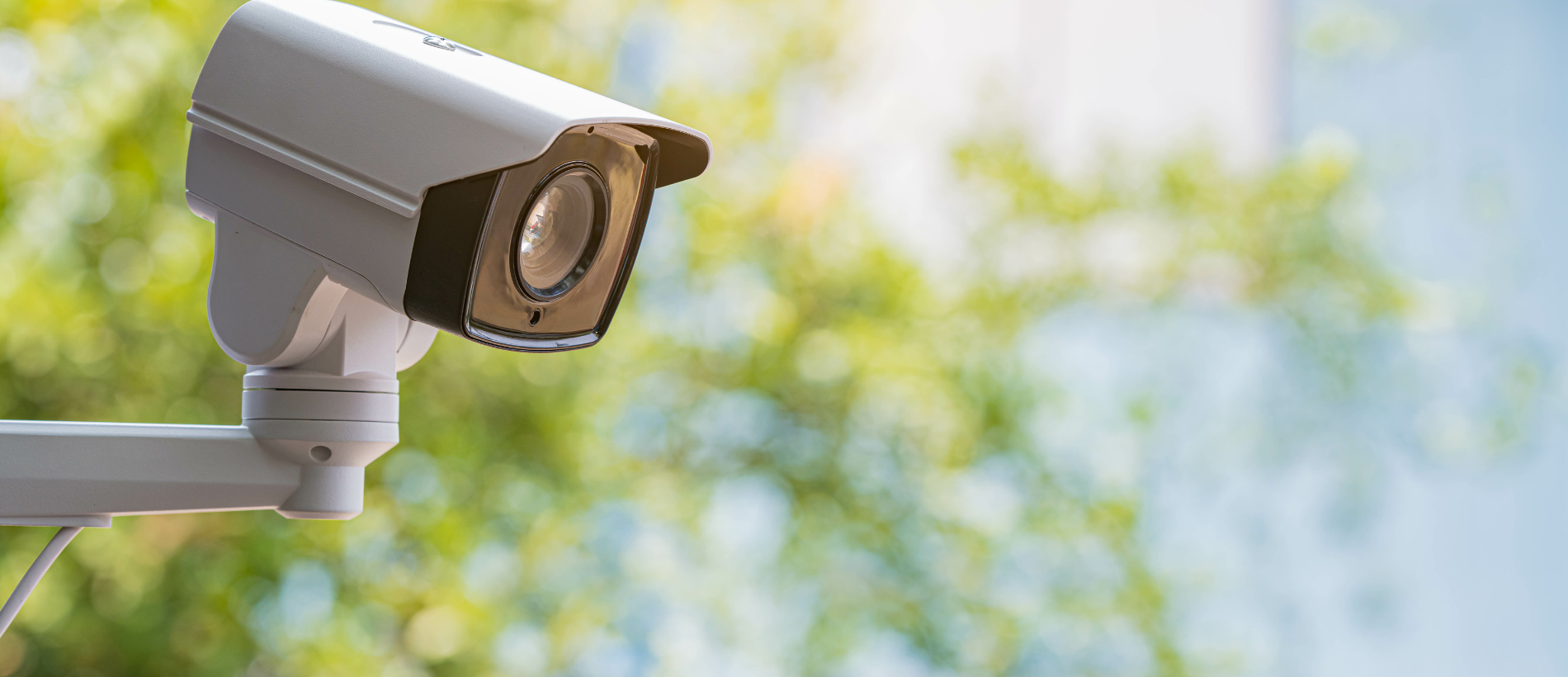
Security cameras are one of the most effective ways to protect a commercial property. Businesses use surveillance systems to monitor activity, prevent theft, and improve safety.
Choosing the best outdoor CC camera for a commercial environment requires more than selecting a basic home security camera. Commercial security cameras must handle weather conditions, capture clear footage, and monitor large areas in real time.
Modern outdoor security cameras now include advanced features such as AI detection, high-resolution video, and flexible storage options. These systems help businesses monitor people and vehicles while keeping video footage accessible when needed.
If you are planning a surveillance installation, you can explore professional equipment here.
You can also browse IP camera solutions designed for modern commercial security systems.
Why Businesses Need Outdoor Security Cameras
Commercial properties face many security risks. Theft, vandalism, and unauthorized access can happen at any time. Outdoor cameras help businesses monitor entrances, parking areas, and perimeter zones.
Installing a security camera system provides several benefits:
-
Continuous monitoring of outdoor areas
-
Deterrence against criminal activity
-
Real-time alerts when motion is detected
-
Recorded footage for investigations
-
Improved employee and customer safety
Many businesses also use outdoor cameras to monitor loading docks, parking lots, and building entrances.
Visible cameras can also discourage criminals from targeting a property.

Key Features of the Best Outdoor CC Camera Systems
When selecting the best outdoor CC camera, businesses should focus on features designed for commercial environments.
High Video Resolution
Commercial security cameras often record in 2K or 4K resolution. Higher resolution allows cameras to capture clearer images.
Clear footage helps security teams identify faces, vehicles, and license plates.
Weatherproof Design
Outdoor cameras must withstand harsh weather. Most professional cameras include IP66 or IP67 ratings.
These ratings protect cameras from rain, dust, and extreme temperatures.
Durability is essential for cameras installed outdoors.
Night Vision and Color Night Recording
Many outdoor cameras include color night vision. This feature allows cameras to record clear footage in low light.
Some cameras also use infrared night vision for recording in complete darkness.
Wide Field of View
The field of view determines how much area a camera can monitor.
Wide-angle cameras can cover large spaces such as parking lots or industrial yards. This can reduce the number of cameras required.
AI Detection and Smart Alerts
Modern surveillance cameras often include AI-powered detection.
These cameras can identify people and vehicles rather than sending alerts for every motion event.
AI detection reduces false alerts caused by animals, shadows, or weather.
Many systems also allow users to set activity zones where motion alerts should occur.
Video Storage Options for Security Camera Systems
Storage is another important factor when choosing a camera system.
Most systems provide several video storage options.
Local Storage
Some cameras store footage locally using microSD cards or Network Video Recorders (NVRs).
Local storage allows businesses to save footage without monthly fees.
Many systems can store up to 30 days of recorded video depending on storage capacity.
Cloud Storage
Cloud storage allows footage to be saved remotely.
With cloud storage, businesses can:
-
Access footage from mobile devices
-
Back up video recordings
-
Track motion events
-
Use advanced analytics
Many businesses combine local and cloud storage for added reliability.
Battery Powered vs Wired Cameras
Security cameras can operate in two main ways.
Battery Powered Cameras
Battery powered cameras are easy to install because they do not require electrical wiring.
Some models include solar panels.
However, battery powered cameras may require frequent charging and may not support continuous recording.
Wired Camera Systems
Wired cameras connect directly to power and network infrastructure.
These systems offer:
-
Continuous recording
-
Stable connections
-
Higher reliability
For commercial environments, wired systems are usually preferred.
Smart Integration and Real-Time Monitoring
Many modern security camera systems integrate with smart platforms.
Some cameras work with Alexa and Google Home. Others connect to professional monitoring software.
Businesses can monitor cameras in real time using mobile apps or computers.
Real-time monitoring helps security teams respond quickly when suspicious activity occurs.
Types of Outdoor Security Cameras for Commercial Properties
Different environments require different camera types.
Bullet Cameras
Bullet cameras are common outdoor cameras. They have a long cylindrical shape.
Businesses often use bullet cameras to monitor:
-
Parking lots
-
Building entrances
-
Driveways
-
Loading docks
Bullet cameras are highly visible. This visibility can discourage criminal activity.
Dome Cameras
Dome cameras have a protective dome housing.
They offer several advantages:
-
Wide viewing angles
-
Compact design
-
Protection against tampering
Retail stores and office buildings often use dome cameras.
PTZ Cameras
PTZ stands for Pan, Tilt, and Zoom.
These cameras can move and zoom remotely. Security teams use them to monitor large areas.
PTZ cameras are commonly installed in:
-
Parking garages
-
Industrial facilities
-
Warehouses
-
Large commercial properties
Best Locations to Install Outdoor Security Cameras
Camera placement is critical for effective surveillance.
Building Entrances
Entrances are important monitoring points. Cameras here record everyone entering and leaving the building.
Parking Areas
Parking lots are common locations for theft or vandalism. Cameras help monitor both people and vehicles.
Delivery and Loading Zones
Loading docks are busy areas where goods move frequently. Cameras help track deliveries and monitor activity.
Property Perimeter
Perimeter cameras monitor fences and property boundaries. These cameras help detect suspicious activity early.
Outdoor Security Camera Systems vs Single Cameras
Businesses may install a single camera or a full surveillance system.
Single Cameras
Single cameras can monitor small areas such as entrances or doors.
However, they may not provide enough coverage for large properties.
Complete Surveillance Systems
A full security camera system includes multiple cameras connected to a recording device.
These systems allow businesses to:
-
Monitor multiple locations
-
Store footage centrally
-
Review recordings easily
-
Expand coverage over time
Large properties typically require full surveillance systems.
Common Mistakes When Installing Outdoor Cameras
Improper installation can reduce camera performance.
Installing Cameras Too High
Cameras mounted too high may not capture clear facial images.
Poor Lighting Conditions
Cameras should not face bright lights or direct sunlight.
Missing Entry Points
Entrances and gates should always be monitored.
Blind Spots
Installing too few cameras may leave blind spots where activity cannot be recorded.
Advantages of Professional Surveillance Equipment
Professional security cameras provide many advantages compared to consumer cameras.
Commercial systems offer:
-
Better image quality
-
Stronger weather protection
-
More reliable recording
-
Advanced detection features
Professional systems also support larger camera networks.
Businesses can expand surveillance systems as security needs grow.
How Many Cameras Does a Business Need?
The number of cameras required depends on the property size and layout.
Factors include:
-
Property size
-
Number of entrances
-
Parking areas
-
Security risks
-
Perimeter coverage needs
Security professionals often conduct site assessments to determine ideal camera placement.
Why Businesses Invest in Outdoor Security Cameras
Security cameras help prevent crime and improve safety.
Visible cameras discourage criminals from targeting a property.
Employees also feel safer when surveillance systems are installed.
Cameras help businesses investigate incidents such as:
-
Parking lot accidents
-
Property damage
-
Missing inventory
-
Unauthorized access
Recorded footage helps businesses understand what happened.
How Security Cameras Support Business Operations
Security cameras also help businesses improve operations.
Managers may review footage to:
-
Monitor delivery activity
-
Track employee safety procedures
-
Verify maintenance work
-
Observe customer traffic patterns
This information can help improve efficiency and planning.
The Future of Outdoor Security Cameras
Security technology continues to improve.
Modern surveillance systems include advanced features such as:
-
AI-powered analytics
-
Cloud monitoring platforms
-
Smart building integration
-
Automated alerts
These technologies allow businesses to monitor properties more effectively.
As surveillance technology evolves, outdoor cameras will become even more powerful and easier to manage.
Final Thoughts
Selecting the best outdoor CC camera for a commercial property requires careful planning. Businesses should choose cameras that offer reliable monitoring, clear video quality, and strong durability.
Modern outdoor security cameras include advanced tools such as AI detection, real-time alerts, and flexible storage options.
With the right security camera system, businesses can monitor activity, protect assets, and create a safer environment for employees and customers.
Frequently Asked Questions About Outdoor Security Cameras
What is the best outdoor CC camera for commercial use?
The best outdoor CC camera for commercial use depends on the size and security needs of the property. Businesses usually choose cameras with high resolution, weatherproof design, and reliable video storage. Many commercial systems also include AI detection and real-time monitoring features.
For larger facilities, a complete surveillance system with multiple cameras and a central recording device is often the best option.
Are outdoor security cameras weatherproof?
Most professional outdoor security cameras are designed to withstand weather conditions. Many models include IP66 or IP67 ratings, which protect the camera from rain, dust, and extreme temperatures.
These cameras are built for long-term outdoor use and can operate in many different environments.
How long do outdoor security cameras store footage?
The amount of time footage is stored depends on the storage system used.
Some systems store footage locally on a Network Video Recorder (NVR) or microSD card. These systems can often store up to 30 days of recorded video.
Other systems use cloud storage. Cloud platforms may store footage for different periods depending on the subscription plan.
Do outdoor security cameras work at night?
Yes. Most outdoor security cameras include night vision technology.
Many cameras use infrared night vision to record activity in complete darkness. Newer models may also include color night vision, which produces clearer images when some light is available.
Can outdoor security cameras detect people and vehicles?
Many modern cameras use AI-powered detection. These systems can identify people and vehicles instead of triggering alerts for every type of movement.
AI detection helps reduce false alerts caused by animals, shadows, or weather conditions.
Do businesses need multiple security cameras?
Most commercial properties require more than one camera. Large buildings often need several cameras to monitor entrances, parking areas, and property boundaries.
Installing multiple cameras helps eliminate blind spots and provides better coverage.
Are wired or wireless cameras better for businesses?
Both options can work, but many commercial properties prefer wired security camera systems. Wired cameras provide more stable connections and support continuous recording.
Wireless or battery-powered cameras are easier to install but may require more maintenance.
Can security cameras integrate with other security systems?
Yes. Many modern surveillance systems integrate with other security equipment such as:
-
Access control systems
-
Alarm systems
-
Intercom systems
-
Automatic gates
-
Smart building platforms
Integration allows businesses to monitor security systems from one central platform.