Skip to content

Federal facilities face many physical security threats. These can include unauthorized access, vehicle attacks, trespassing, vandalism, and theft.
Perimeter security systems help create the first line of defense. They combine physical barriers, access control, intrusion detection, cameras sensors, and monitoring tools to protect buildings, parking areas, entrances, and surrounding grounds.
For federal properties, perimeter protection does more than stop people from entering. It helps security teams see problems early, respond faster, and reduce risk.
Why Federal Facilities Need Strong Perimeter Security
Federal buildings, military installations, transportation hubs, courthouses, and utility sites are all considered critical infrastructure.
These facilities often store important information, provide essential services, or serve the public. Because of this, they are often targets for theft, vandalism, trespassing, and other security threats.
Strong perimeter security systems can help federal facilities:
-
Prevent unauthorized access
-
Reduce the risk of vehicle-based threats
-
Improve real-time situational awareness
-
Support faster response times
-
Protect employees, visitors, and assets
-
Reduce false alarms with better detection systems
Most facilities use several security measures together instead of relying on just one gate, barrier, or alarm.

Bollards as a First Layer of Defense
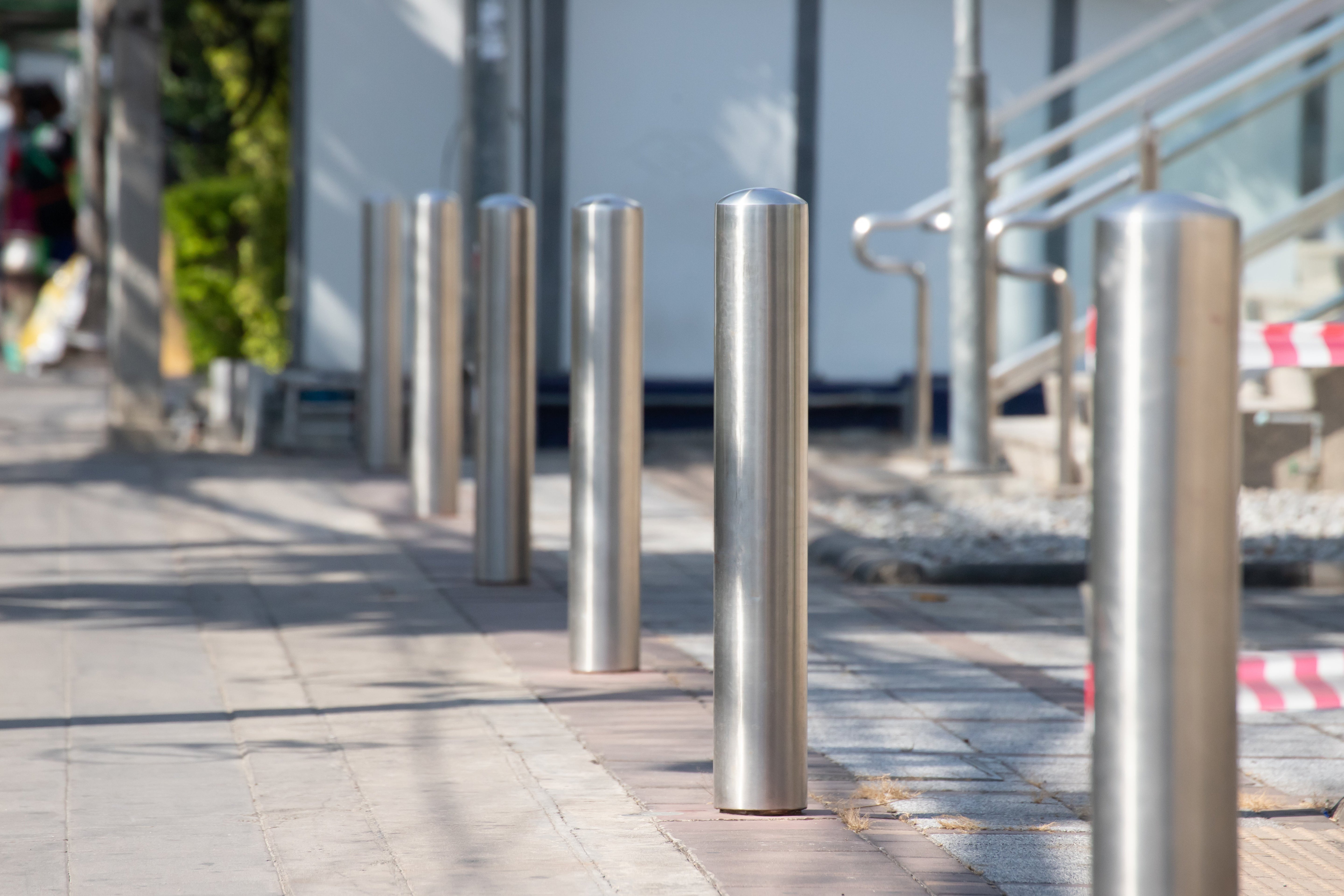
One of the most common perimeter protection tools for federal properties is the use of bollards.
Entrances to courthouses, military bases, embassies, and other secure sites often use bollards to stop unauthorized vehicles from getting too close to sensitive areas.
Bollards can help:
-
Block vehicles from entering restricted zones
-
Protect pedestrian walkways
-
Separate parking areas from buildings
-
Support controlled vehicle access points
-
Deter ramming attacks
Some facilities use fixed bollards for permanent protection. Others use removable or retractable bollards in areas where vehicle access may need to change throughout the day.
For example, a federal parking lot may use retractable bollards that lower for approved vehicles and stay raised for everyone else.
Facilities often pair bollards with security cameras, access control systems, and guard stations to create a stronger security plan.

Automatic Gates Help Control Access
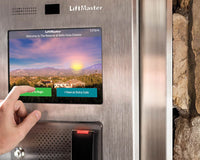
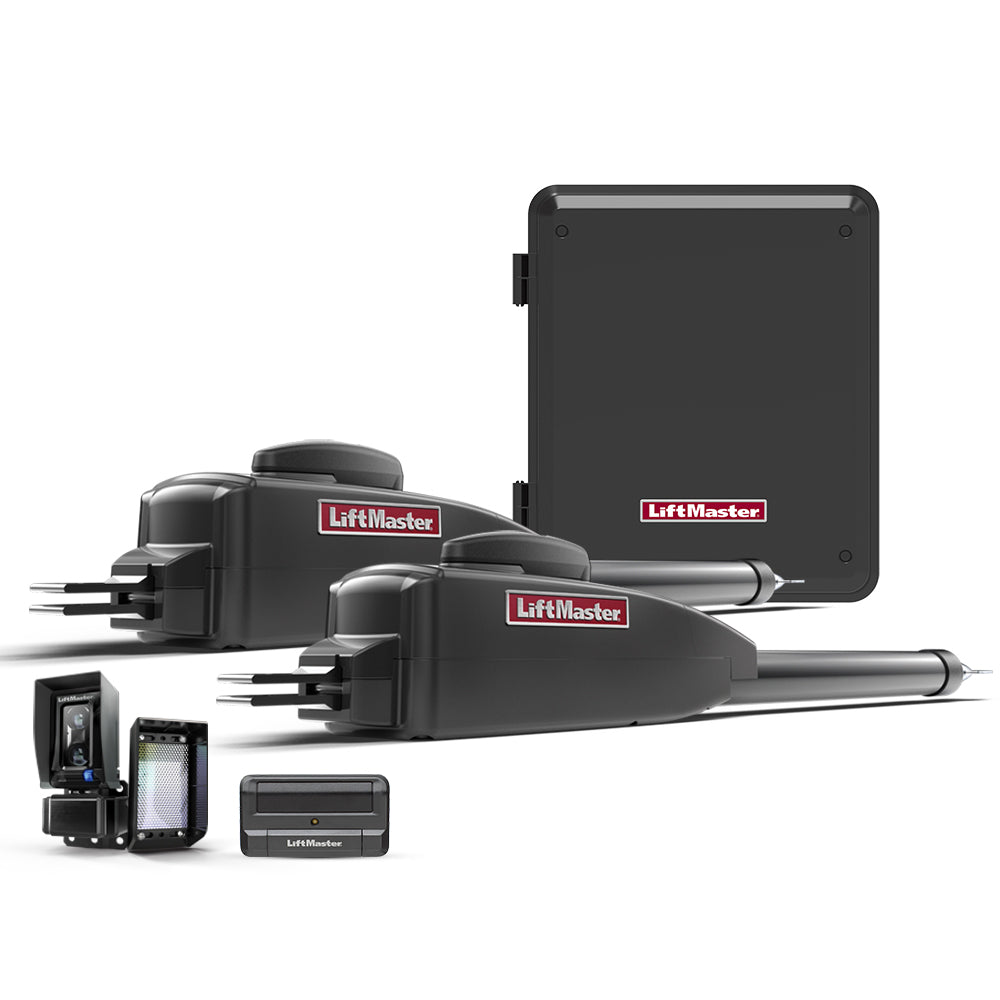
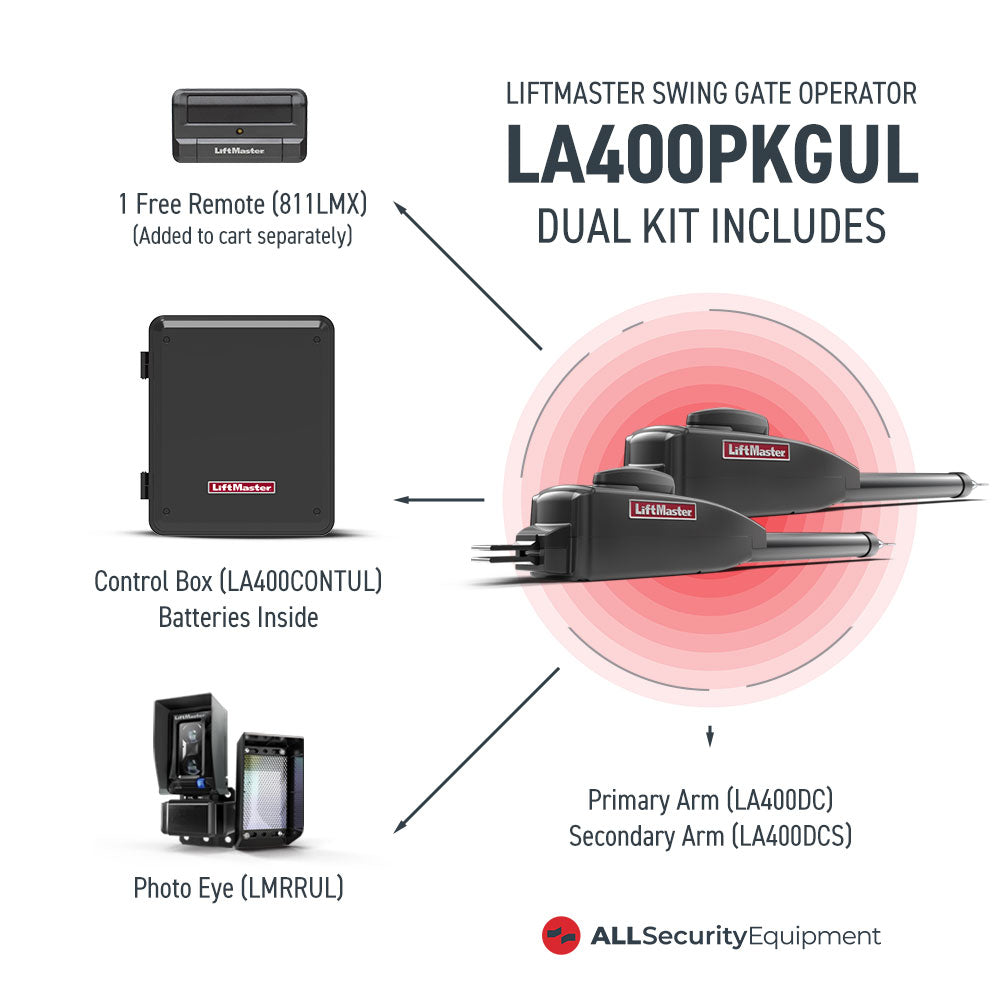
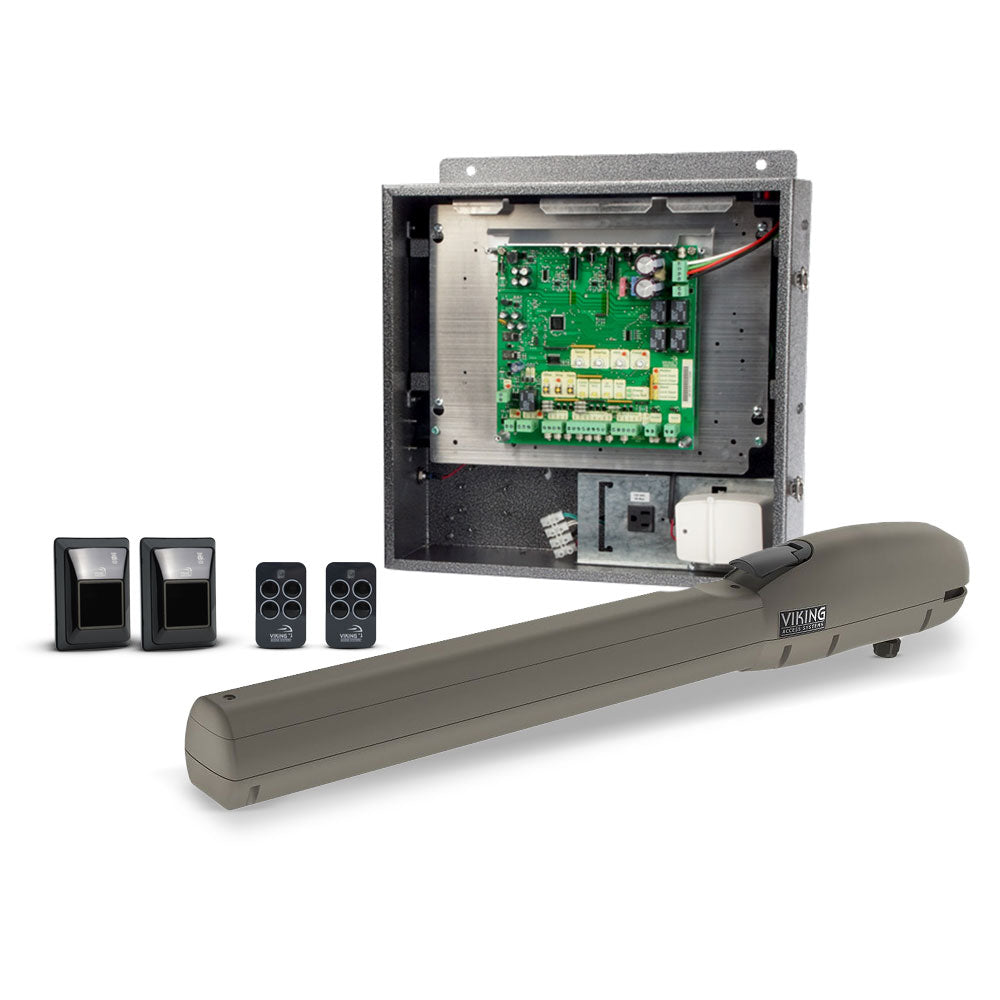
Automatic gates are another important part of perimeter security systems for federal facilities.
Gates help control how vehicles and deliveries enter the property. Instead of leaving entrances open, facilities can require every vehicle to stop, verify credentials, and wait for approval before entering.
Many federal sites use sliding gates, swing gates, or barrier arms depending on traffic flow and available space.
Automatic gates can work alongside:
-
Badge readers
-
Intercom systems
-
Security personnel
-
License plate recognition
-
Vehicle access credentials
-
Security cameras
-
Alarm systems
This gives security teams better control over who enters the property and when.
In many cases, gate operators can also connect with parking systems to manage employee parking areas, visitor entrances, and service vehicle access.
Intrusion Detection Systems Improve Situational Awareness
Physical barriers are important, but they work best when combined with intrusion detection.
Detection systems help security teams spot problems quickly and respond in real time. These tools can identify movement, unusual activity, or unauthorized access before someone reaches a building.
Common perimeter detection systems include:
-
Motion sensors
-
Infrared beams
-
Fence sensors
-
Buried cable systems
-
Ground radar
-
Cameras with video analytics
-
Thermal imaging
-
Long range outdoor detection devices
These systems help improve situational awareness across large federal properties.
For example, a military site may use fence-mounted sensors and thermal cameras to detect movement near the perimeter fence. A federal office building may use motion detection and video analytics around parking areas and entrances.
Modern detection systems can reduce false alarms by combining several technologies together. Instead of relying on one sensor alone, facilities can verify alerts through cameras, analytics, and access control data.
This gives security teams better information and helps them focus on real threats.
The Role of Security Cameras and Video Analytics
Security cameras are often one of the most visible parts of perimeter security systems.
Federal facilities typically use cameras to monitor entrances, fences, parking lots, gates, loading areas, and public spaces. Cameras are even more effective when combined with video analytics.
Video analytics can help identify:
-
Unauthorized vehicles
-
Suspicious behavior
-
Loitering
-
Movement after hours
-
Perimeter breaches
-
Objects left behind
-
Crowd activity
Instead of requiring staff to watch every camera feed manually, video analytics can send alerts automatically when unusual activity occurs.
This helps security teams respond faster and keep a better view of large properties.
In high-security environments, cameras may also work alongside access control systems and alarm systems to provide a full record of events.
Parking Areas Are Often a Security Weak Point
Parking systems can help improve perimeter protection by controlling how vehicles enter, where they park, and which areas they can access.
Parking lots, garages, and vehicle entry points are often some of the most vulnerable parts of a federal facility.
These areas usually have more traffic, more visitors, and more opportunities for unauthorized access.
Common parking security tools include:
-
Barrier arms
-
Ticketing systems
-
Vehicle readers
-
Reserved access areas
-
Visitor parking controls
-
License plate recognition
-
Integrated gate systems
Federal facilities often use parking systems to separate employee parking, visitor parking, and secure vehicle zones.
This makes it easier to manage traffic flow while improving security at the perimeter.
Choosing the Right Perimeter Security Systems
Not every federal facility needs the same type of perimeter protection.
A courthouse in a busy downtown area may need strong vehicle barriers, cameras, and controlled visitor access. A military site may need long range detection systems, thermal cameras, and heavy-duty gates around a much larger property.
When choosing perimeter security systems, facilities often look at:
-
Size of the property
-
Number of entrances and exits
-
Vehicle traffic
-
Visitor traffic
-
Security risks
-
Type of building
-
Hours of operation
-
Existing access control systems
-
Budget and maintenance needs
The goal is to build a system that matches the needs of the site.
A small office may only need gates, cameras, and a few bollards. A larger federal campus may need multiple layers of protection around parking areas, loading zones, fences, and building entrances.
Perimeter Security Systems Work Best Together
The best perimeter security systems do not rely on a single product.
For example, a gate can stop vehicles from entering a property, but it cannot detect someone climbing a fence. A camera can record activity, but it cannot physically stop a vehicle. A bollard can block access, but it cannot alert security teams when someone is nearby.
This is why federal facilities often combine different types of security measures together.
A complete system may include:
-
Bollards near entrances
-
Gates at vehicle access points
-
Cameras around parking lots
-
Motion sensors along fences
-
Video analytics for suspicious activity
-
Access control systems for employees
-
Alarm systems for restricted areas
When all of these tools work together, security teams can react faster and make better decisions.
The best perimeter security solutions combine physical barriers with smart technology, real-time monitoring, and multiple layers of protection.
This layered approach improves visibility, speeds up response times, and makes it more difficult for intruders to get through.
Conclusion
Perimeter security systems are essential for protecting federal facilities, government buildings, and other critical infrastructure.
Bollards, gates, intrusion detection systems, cameras, parking controls, and access control systems all play an important role in preventing unauthorized access and improving situational awareness.
By using multiple layers of protection, federal facilities can lower risk and help security teams respond more quickly to threats.