Skip to content

When it comes to securing a commercial door, two of the most common access control locking options are magnetic locks (maglocks) and electric strikes. Choosing the wrong one can lead to security gaps, code compliance issues, or costly installation problems.
In this guide, we’ll break down how each option works, their key differences, and how to choose the right solution for your application.
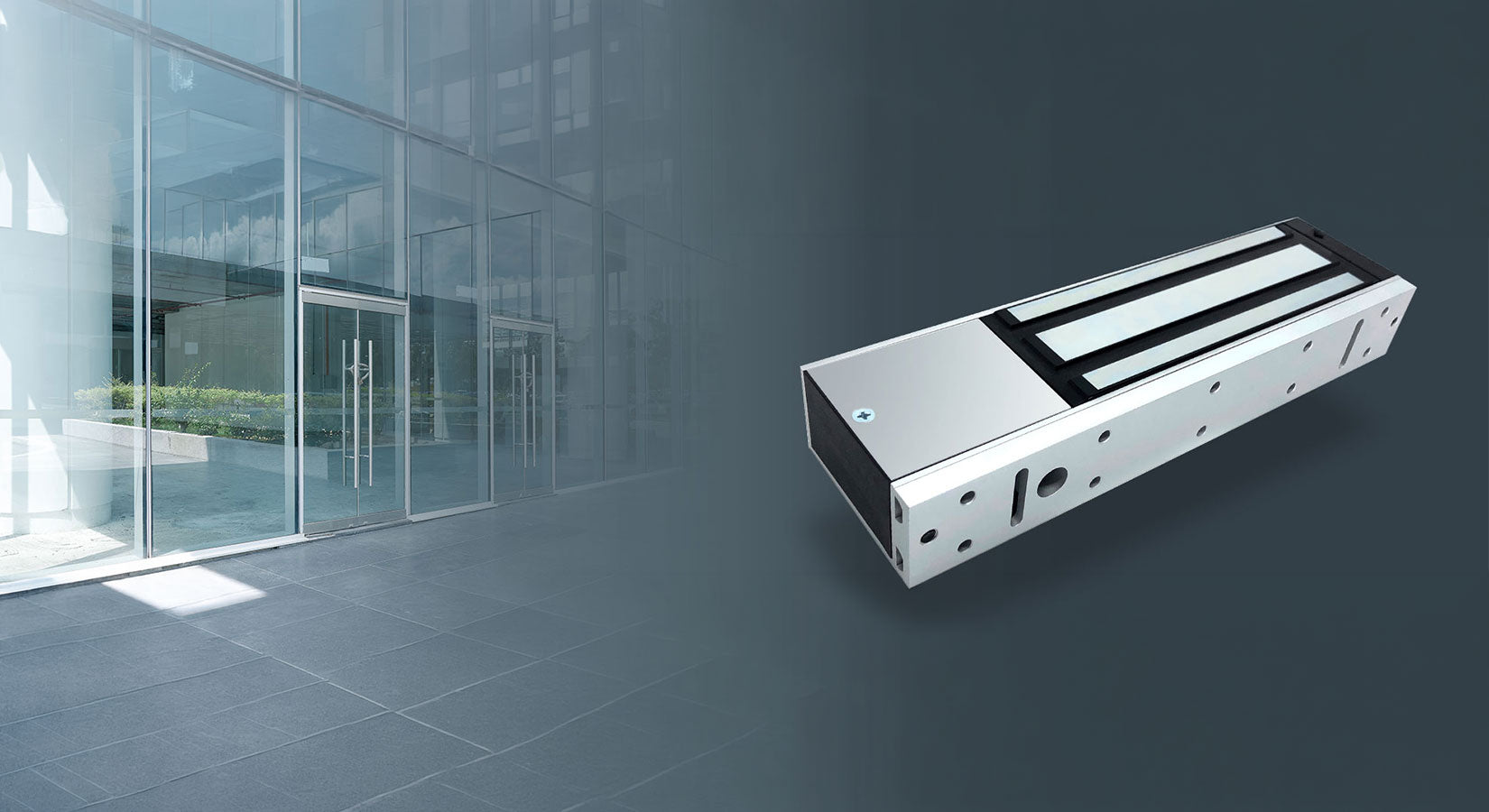
What Is a Magnetic Lock?
A magnetic lock uses an electromagnet mounted on the door frame and a metal armature plate mounted on the door. When power is applied, the magnet creates a strong bond that keeps the door locked.
Key Features:
- Fail-safe (unlocks when power is lost)
- High holding force (600–1,200 lbs+)
- Surface-mounted installation
- Requires constant power
Best Applications:
- Glass doors
- High-traffic entrances
- Quick-install projects
- Doors with minimal modification options
What Is an Electric Strike?
An electric strike replaces the standard strike plate and works with a mechanical lock. When energized, it releases the latch, allowing the door to open.
Key Features:
- Available in fail-safe or fail-secure
- Works with existing locksets
- Concealed inside the frame
- Uses power only when activated
Best Applications:
- Retrofit installations
- Doors with existing locks
- Applications requiring fail-secure locking
- Energy-efficient systems
Magnetic Locks vs. Electric Strikes: Key Differences
1. Security & Holding Strength
Maglocks: Extremely strong holding force but rely entirely on power.
Electric Strikes: Depend on mechanical lock quality.
Tip: Choose maglocks for maximum holding force. Choose electric strikes for layered security.
2. Fail-Safe vs. Fail-Secure
Maglocks: Always fail-safe.
Electric Strikes: Can be fail-safe or fail-secure.
3. Installation
Maglocks: Easier, surface-mounted.
Electric Strikes: Requires cutting and alignment.
4. Aesthetics
Maglocks: Visible hardware.
Electric Strikes: Hidden within the frame.
5. Power Consumption
Maglocks: Constant power draw.
Electric Strikes: Power only when activated.
6. Code Compliance
Maglocks: May require additional components (REX, motion sensors, fire alarm tie-ins).
Electric Strikes: Typically easier for code compliance.
How to Choose the Right Option
Choose a Magnetic Lock If:
- You have a glass or frameless door
- You need fast installation
- The door has high traffic
- You need strong holding force
Choose an Electric Strike If:
- You already have a mechanical lock
- You want a clean, hidden look
- You need fail-secure functionality
- You want lower power consumption
Common Mistakes to Avoid
- Ignoring fire and life safety codes
- Choosing based on price alone
- Not considering door type
Final Thoughts
Both magnetic locks and electric strikes are reliable solutions. The right choice depends on your door type, security requirements, and local code compliance.
Choosing correctly upfront can save time, money, and installation headaches.
Need Help Choosing the Right Lock?
At All Security Equipment, we offer a wide selection of magnetic locks, electric strikes, and access control solutions from top manufacturers.
Shop Magnetic Locks
Shop Electric Strikes
Have questions? Contact our team at (800) 730-8382 for expert guidance on your next project.