Skip to content

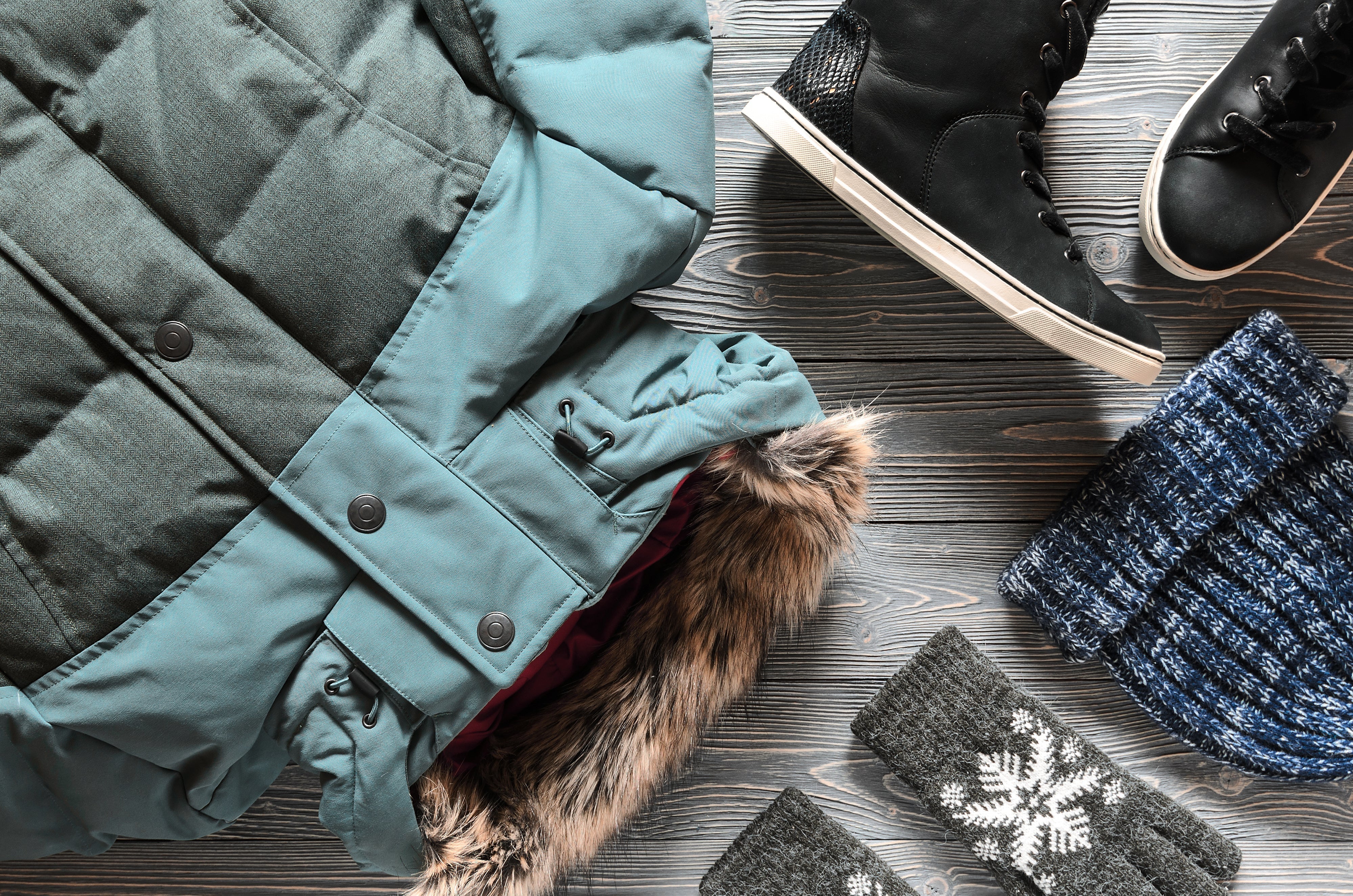
For hiking, backcountry travel, and survival use, winter tactical clothing must do more than keep the body warm. It must control moisture, block wind, resist snow and rain, and stay comfortable during long hours of movement. Tactical winter gear is built for layered systems that adapt as weather conditions change.
This article reviews tactical clothing designed for winter hiking and survival by focusing on how each clothing category performs in cold environments. Instead of product-by-product reviews, it explains what works best for base layers, mid-layers, outer layers, and pants, and why certain brands are trusted for cold weather operations.
What Winter Tactical Clothing Must Handle
Cold environments place constant pressure on clothing systems. Temperatures drop fast, wind increases heat loss, and moisture can become a serious risk.
High quality tactical gear for winter conditions should:
-
Move sweat away from the skin
-
Provide steady insulation during temperature drops
-
Offer water resistance for snow and light rain
-
Block wind in exposed areas
-
Support layered setups for cold weather operations
Winter tactical clothing works best as a system, not as a single heavy jacket.
Base Layers for Winter Tactical Clothing
Base layers sit closest to the skin and focus on moisture control. Their main job is to keep the body dry during movement.
When hiking or carrying gear, the body produces sweat even in freezing temperatures. If that moisture stays on the skin, heat is lost quickly when activity slows.
Moisture wicking base layers made from synthetic fabrics or thermal polyester help stabilize body temperature. These layers dry quickly and stay effective in cold environments, making them essential for winter tactical clothing used in survival and outdoor settings.
Mid-Layers for Warmth and Comfort
Mid-layers add insulation while still allowing heat to escape. In winter tactical clothing, these layers are usually fleece or lightly insulated garments worn under an outer shell.
Good mid-layers for hiking and survival:
-
Trap heat without heavy bulk
-
Allow airflow during movement
-
Fit easily under jackets
Fleece tactical jackets and insulated pullovers work well because they provide warmth without limiting movement during long outdoor use.
Outer Layers and Tactical Jackets
Outer layers protect against wind, snow, and rain. In winter environments, they play a major role in keeping the entire system dry and functional.
Winter tactical jackets often use nylon or softshell fabrics. These materials resist wind and light moisture while holding up against rough terrain and repeated use.
These jackets are commonly grouped under tactical outerwear categories, which include insulated shells and weather-resistant layers designed for winter hiking and survival use.

Tactical Pants for Winter Hiking and Survival
Winter conditions affect the lower body just as much as the upper body. Tactical pants must protect against cold, wind, and moisture while allowing steady movement.
Effective winter tactical pants usually include:
-
Nylon or ripstop outer fabrics
-
Fleece-lined or insulated interiors
-
Reinforced knees and seat
These features help pants perform well on uneven terrain and during long exposure. For a deeper look at how outdoor-ready pants compare, see Top-rated tactical pants for outdoor and military use, which reviews durability and mobility across different designs.
Water Resistance and Staying Dry
In cold weather, staying dry is critical. Wet clothing increases heat loss and makes it harder to stay warm during rest periods.
Most winter tactical clothing includes water resistance rather than full waterproofing. This is usually enough for snow, light rain, and damp terrain when combined with moisture-wicking base layers and proper insulation.
Water-resistant outer layers help reduce fatigue and support comfort during long hikes and survival situations.
Materials That Perform Best in Winter
Different materials play different roles in winter tactical clothing.
-
Polyester works well for base layers because it manages moisture
-
Fleece and synthetic insulation work well for mid-layers
-
Nylon and softshell fabrics work best for outer layers
A detailed breakdown of fabric performance is covered in Comparison of tactical clothing materials for extreme weather, which explains how each fabric behaves in cold and changing conditions.
Brands Known for Winter Tactical Clothing
Several tactical brands are recognized for cold-weather performance in hiking and survival environments.
5.11 Tactical
Produces insulated jackets, winter pants, and layered systems designed for cold weather operations and outdoor use.
Rothco
Offers winter tactical jackets and pants built for durability and extended outdoor exposure.
Portwest
Focuses on insulated and weather-resistant tactical clothing suited for cold working and outdoor conditions.
Barska and ASP
Support winter setups with load-bearing gear, which affects how outer layers perform under weight and friction.
Building a Winter Tactical Clothing System
Winter tactical clothing performs best when each layer has a clear role.
A practical setup includes:
-
Moisture-wicking base layers
-
Insulating mid-layers
-
Weather-resistant outer layers
-
Durable tactical pants
-
Compatible tactical gear
This system allows adjustment as activity levels and weather conditions change.
Choosing Winter Tactical Clothing for Hiking and Survival
Every winter environment is different. Dry cold, wet snow, and strong winds place different demands on clothing.
When selecting winter tactical clothing, consider:
-
Expected temperature changes
-
Time spent outdoors
-
Activity level and terrain
-
Need for warmth versus mobility
High quality winter tactical gear helps hikers and survival-focused users stay warm, dry, and functional by combining the right layers, materials, and outer protection for cold weather conditions.