Skip to content

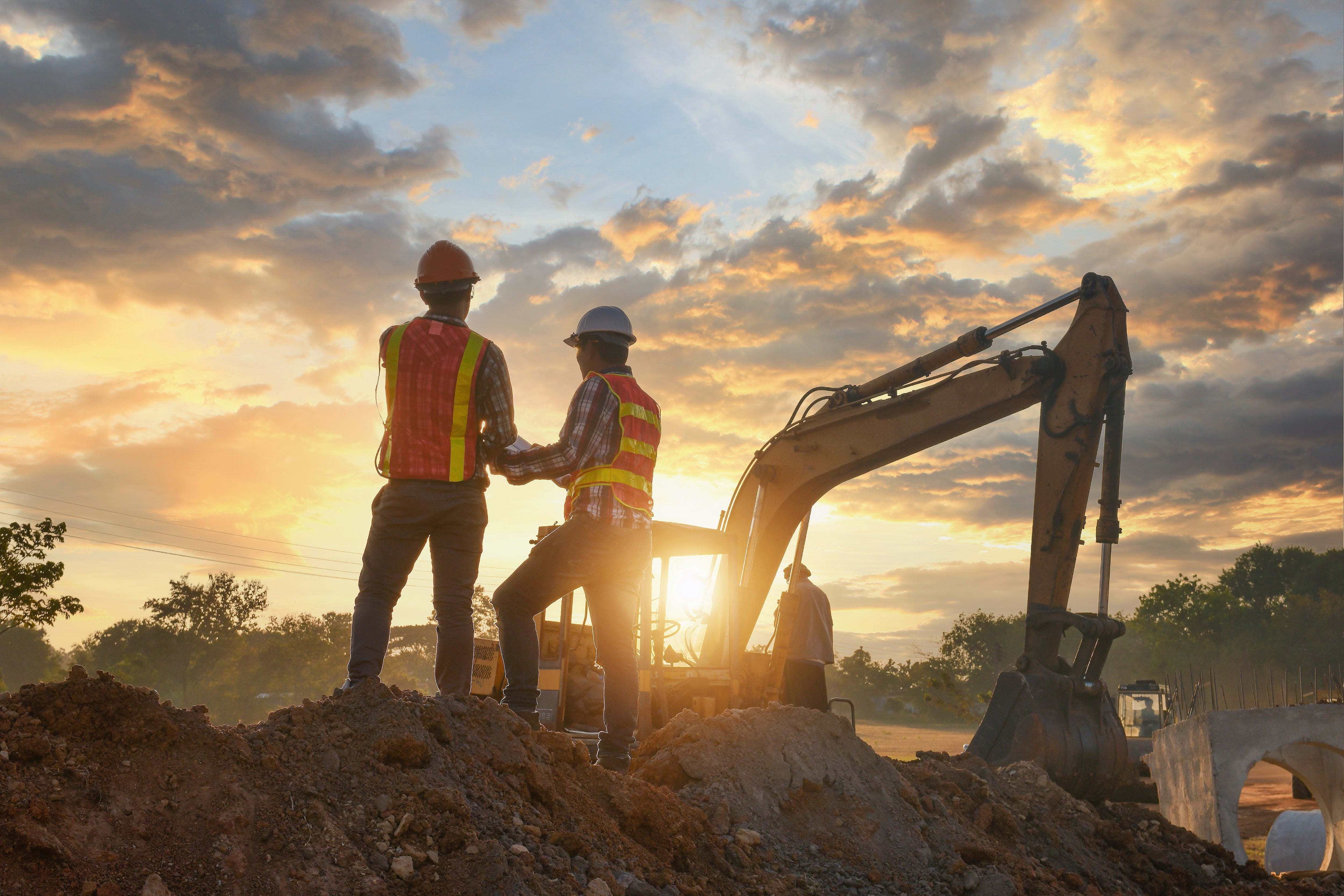
Construction sites are among the most hazardous workplaces. Falls, struck-by incidents, electrical exposures, noise hazards, and flying debris create risks that workers face daily. To keep teams safe and meet legal obligations, companies must use proper personal protective equipment (PPE) and follow strict safety protocols. PPE is more than a compliance checkbox; it is a critical control that helps prevent injuries and reduces risk when other protective measures are not enough.
For construction teams, the right safety gear ensures workers stay protected, job sites stay compliant, and operations run efficiently. This guide explains why PPE is essential, how it supports OSHA compliance, and which categories are commonly required based on site hazards.
1. Safety Gear Supports OSHA’s PPE Requirements
OSHA requires employers to assess the worksite for hazards and provide appropriate personal protective equipment at no cost when risks cannot be eliminated through engineering or administrative controls. This makes PPE a fundamental part of construction site compliance.
Common PPE categories include:
-
Head protection
-
Eye and face protection
-
Hearing protection
-
Hand protection
-
Foot protection
-
High visibility apparel (when working near vehicles or traffic)
-
Respiratory protection
-
Body protection (coveralls, protective clothing)
These categories reflect OSHA’s general PPE requirements and the typical hazards found on construction sites. The exact PPE required depends on the site's hazard assessment, which determines what protection is needed for each task.
Explore OSHA-aligned PPE options here:
Safety Equipment Collection
Failing to meet PPE requirements can result in penalties, citations, or legal consequences depending on the severity of the violation.

2. PPE Helps Prevent the Most Common Construction Injuries
Construction injuries often occur during routine tasks, which makes PPE essential for everyday protection. Proper equipment can reduce both the frequency and severity of incidents.
Eye and Face Protection
Workers face hazards such as dust, debris, sparks, and chemicals. Safety glasses and face shields can prevent serious eye injuries and permanent vision loss.
Head Protection
Hard hats protect workers from falling objects, swinging loads, and low-clearance hazards. They are one of the most important safeguards on a construction site.
Hearing Protection
Power tools, heavy machinery, and demolition work create noise levels that can damage hearing. Earplugs or earmuffs help prevent long-term hearing loss.
Hand and Body Protection
Gloves and protective clothing help prevent cuts, burns, abrasions, and chemical exposure. Many tasks require specialized materials or reinforced fabrics.
High Visibility Apparel
High-visibility vests and jackets help workers remain visible around vehicles, heavy equipment, and low-light environments. Requirements often follow OSHA, MUTCD, or local traffic standards.
Find visibility apparel here:High-Visibility and Work Clothing
Fire and Chemical Protection
While not required on every job, some activities call for flame-resistant clothing or chemical-resistant PPE depending on the hazard assessment.

Fire Extinguishers and Emergency Safety Equipment
While not considered PPE, fire extinguishers are critical safety assets that must be accessible on site. Browse equipment: Fire Extinguisher Collection
3. PPE Improves Worker Confidence and Job Performance
A protected worker is a more confident and focused worker. When employees trust their equipment, they are more likely to perform tasks efficiently and with less stress.
Proper PPE can help:
-
Reduce anxiety during hazardous tasks
-
Improve communication and workflow
-
Decrease downtime caused by unexpected injuries
-
Increase overall job satisfaction and morale
Construction sites should also be equipped with emergency supplies for quick response:
First Aid Kits
4. Compliance Builds Trust and Strengthens Site Culture
Inspectors, clients, employees, and project managers all observe how a site handles safety. Using proper PPE demonstrates responsibility and professionalism.
Strong compliance practices improve:
-
Project credibility
-
Worker retention
-
Inspector confidence
-
Long-term client relationships
A site that visibly respects safety standards sends a message that workers’ well-being comes first.
5. Proper Safety Gear Reduces Liability and Financial Risk
The financial cost of workplace injuries can be significant. These costs may include:
-
Medical expenses
-
Workers’ compensation claims
-
Project delays
-
Insurance increases
-
Replacement staffing
-
Damaged equipment
-
Reputational harm
Most of these risks decrease when hazards are properly controlled and workers use the right PPE. Investing in quality safety equipment is far less expensive than managing the aftermath of an accident.
For additional safety tools and accessories, explore:
Tools Collection
Ballistic Protection
6. Reliable Customer Service Helps Maintain Long-Term Compliance
Construction sites need ongoing access to replacement gear, upgrades, and new equipment as conditions change. Working with suppliers that offer dependable customer service makes it easier to:
-
Reorder PPE quickly
-
Maintain supply consistency
-
Stay updated on new safety standards
-
Replace worn or outdated equipment
Strong supplier relationships support long-term compliance and help teams stay prepared.
Safety Gear Is the Foundation of Construction Compliance
Construction hazards cannot be eliminated entirely, but proper personal protective equipment significantly reduces the likelihood of serious injuries. PPE protects workers, supports OSHA compliance, lowers liability, and strengthens jobsite culture.
Whether it is hearing protection, safety glasses, high visibility clothing, or other required PPE, every piece plays a critical role in preventing accidents. A compliant construction site begins with a strong safety gear strategy supported by consistent hazard assessments and reliable equipment.
Explore construction-ready gear here:
Shop Safety Gear at All Security Equipment