Skip to content

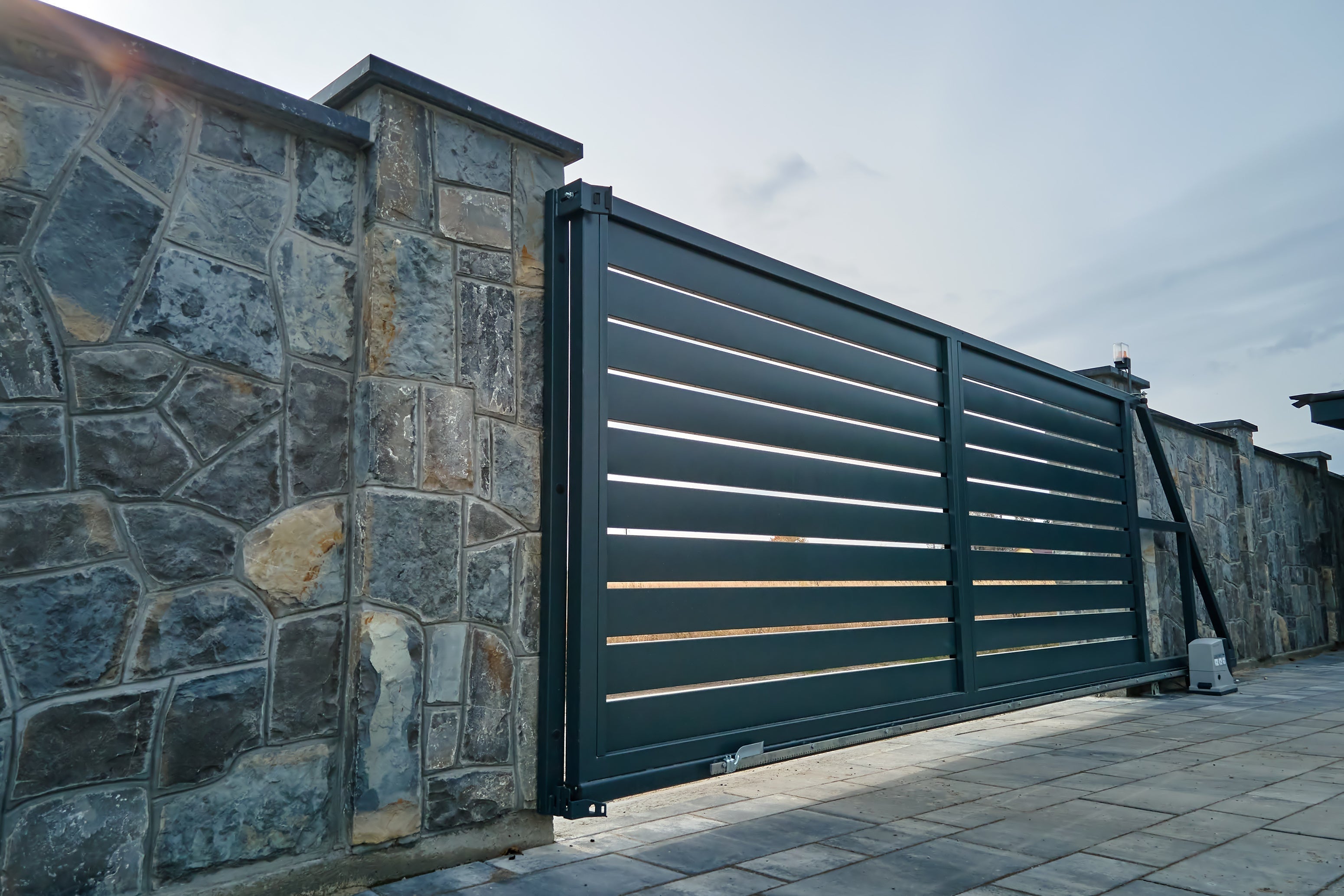
Choosing between slide gates and swing gates is one of the most important decisions when designing a secure and functional entrance. Whether you're managing a residential driveway, commercial facility, or industrial site, the right gate system impacts traffic flow, safety, and long-term reliability.
Both options help control access and improve perimeter security—but they operate very differently. Understanding how each performs across space, terrain, and usage needs will help you choose the best solution for your property.
How Slide Gates Work
Slide gates move horizontally along a track, running parallel to a fence or wall. Instead of swinging open, the gate slides to the side, making it ideal for properties where space is limited or where gate openings cannot accommodate a swinging motion.
These systems are typically paired with sliding gate openers, which automate the open and close process for smoother operation and improved security.
Best Use Cases for Slide Gates
Slide gates are often preferred in:
-
Commercial parking areas with high traffic flow
-
Industrial facilities requiring consistent operation
-
Properties with limited driveway depth
-
Locations with slopes or uneven terrain
Because they don’t require clearance for swinging, slide gates maximize usable space and reduce the risk of obstruction.

How Swing Gates Work
Swing gates operate like a traditional door, opening inward or outward on hinges. They are one of the most common gate styles, especially in residential settings, due to their classic appearance and straightforward installation.
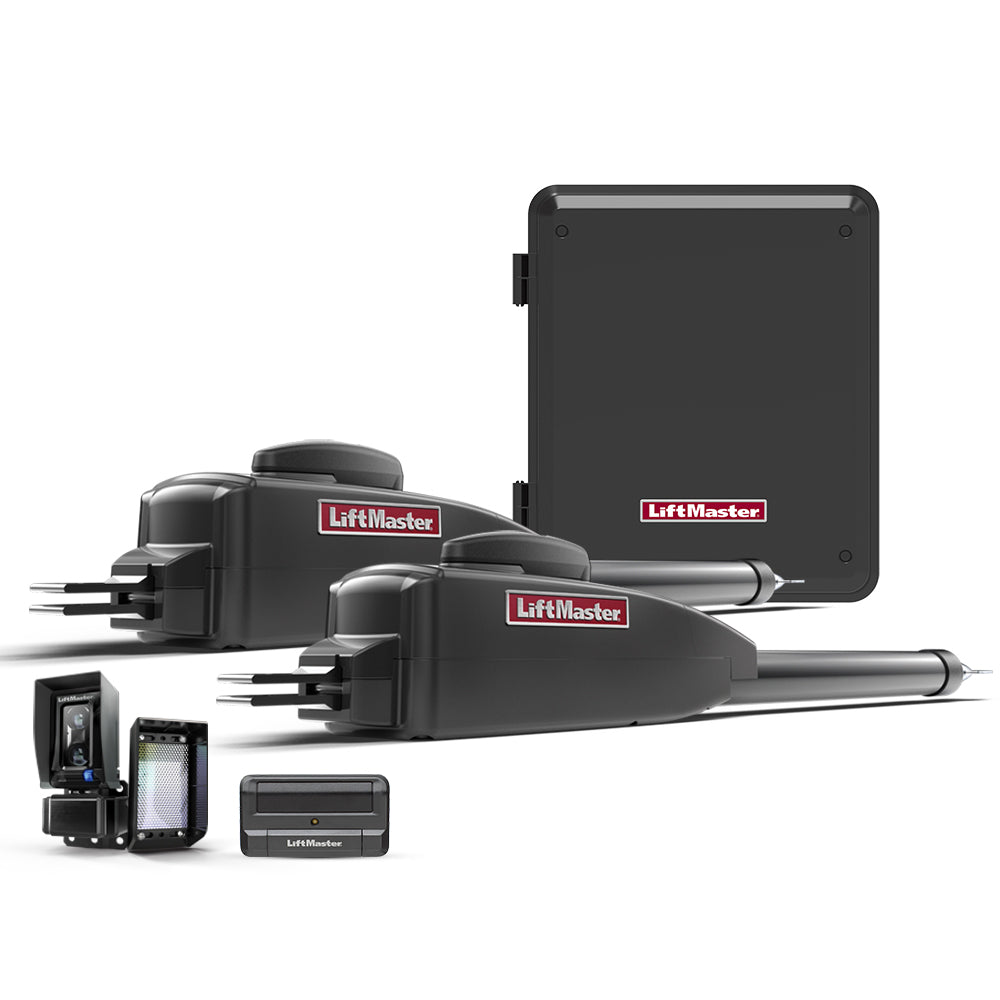
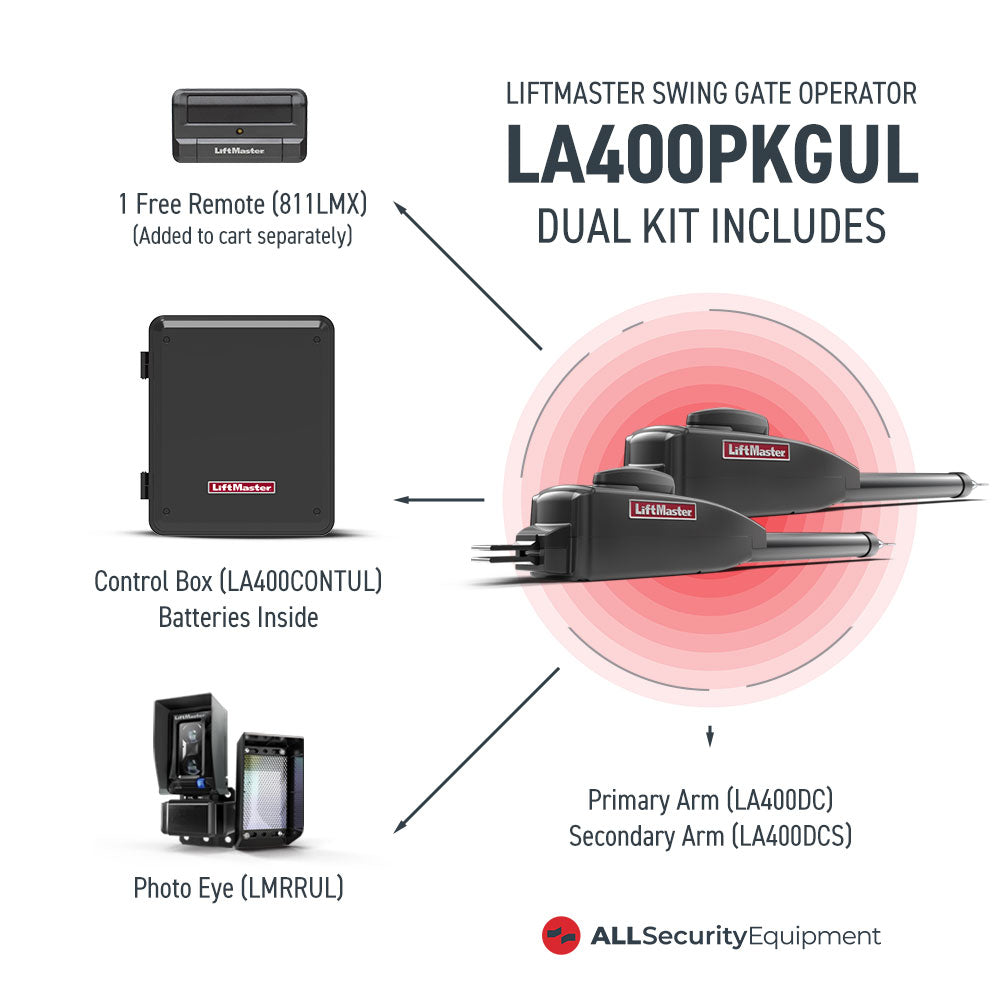
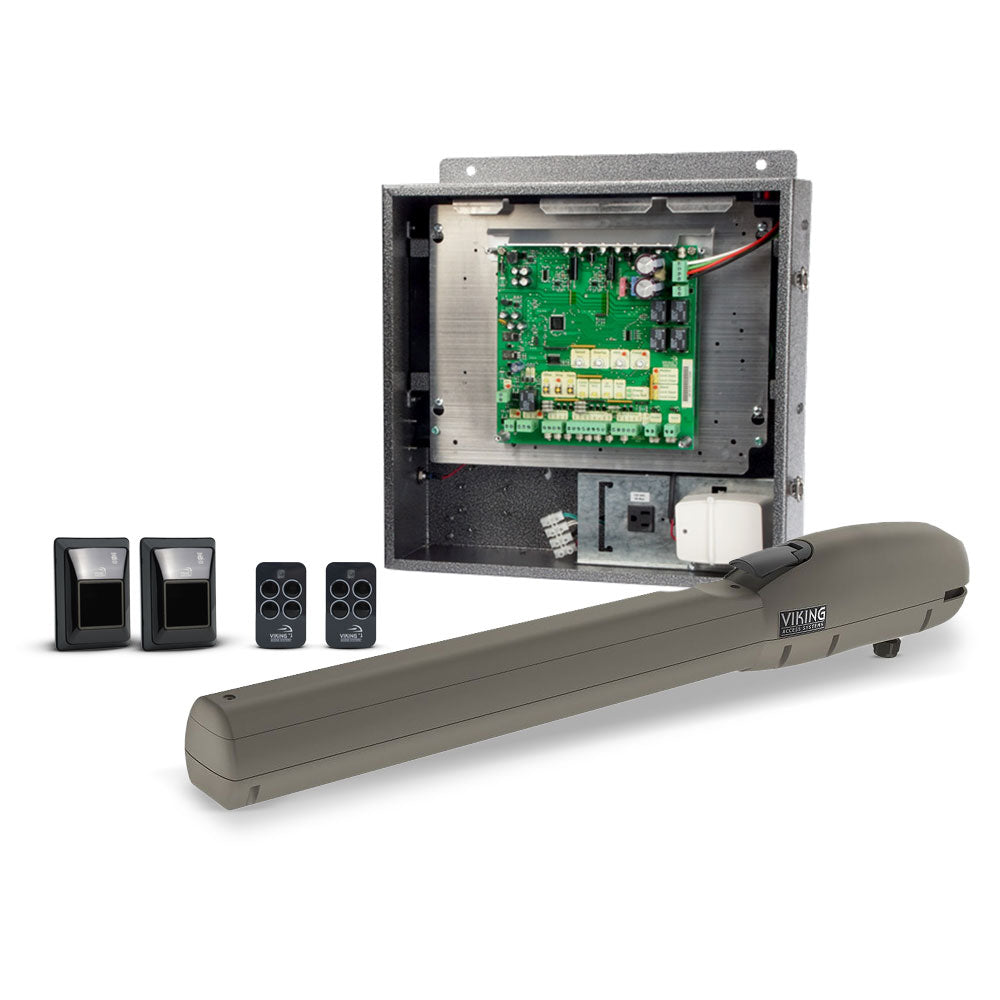
Automation is typically handled through swing gate openers, which can support single or dual swing configurations depending on the width of the entrance.
Best Use Cases for Swing Gates
Swing gates are ideal for:
-
Residential driveways and HOAs
-
Properties with flat terrain
-
Wider gate openings that allow full swing clearance
-
Projects where aesthetics are a priority
Swing gate operators can be configured for dual swing setups, making them suitable for larger entry points while maintaining a balanced, symmetrical look.
Slide Gate vs Swing Gate: Key Differences
1. Space Requirements
Slide gates are the better choice when space is tight. Since they move sideways, they don’t require clearance in front of or behind the gate.
Swing gates, on the other hand, need enough room to fully open and close. This can be a limitation in smaller driveways or areas with obstructions.
2. Terrain Compatibility
Slide gates perform well on uneven ground, slopes, or gravel surfaces. Because they don’t rely on a swinging arc, they avoid issues with ground clearance.
Swing gates require a level surface to operate properly. Even small elevation changes can affect how smoothly they open and close.
3. Traffic Flow and Efficiency
For high-traffic environments, slide gates provide faster and more consistent operation. They are commonly used in commercial parking systems where maintaining smooth vehicle access is critical.
Swing gates are better suited for lower-traffic environments, such as residential properties, where speed is less of a concern.
4. Installation and Cost
Swing gates are typically easier and less expensive to install. They require fewer components and less structural support.
Slide gates often involve more complex installation, including tracks, rollers, and reinforced support systems, which can increase upfront costs.
5. Security and Durability
Both gate types enhance security, but slide gates tend to offer higher resistance to forced entry due to their design and weight distribution.
Swing gates are still highly effective for access control, especially when paired with modern automation and locking systems.

Choosing the Right Gate for Your Property
The best choice comes down to how your property is designed and how the gate will be used.
If your priority is maximizing space, handling uneven terrain, or managing high traffic flow, a sliding system is likely the better option. These systems are built for performance and reliability in demanding environments.
If you’re focused on cost, simplicity, and visual appeal, especially for a residential setting—swing gates provide a practical and attractive solution. They remain one of the most popular choices for homeowners and smaller properties.
Integration with Access Control Systems
Both slide and swing gates can be integrated with modern access control solutions, including keypads, intercoms, and remote entry systems.
This allows property owners to:
-
Control who enters and exits
-
Monitor gate activity
-
Automate open and close schedules
-
Improve overall security system performance
Choosing the right gate is only one part of the equation, pairing it with the right technology ensures long-term functionality and protection.
Final Considerations Before You Decide
Before selecting a gate system, consider:
-
Available space for operation
-
Ground conditions and slope
-
Expected traffic volume
-
Budget for installation and maintenance
-
Security requirements
There’s no one-size-fits-all answer. The right solution depends on how these factors come together for your specific property.
Find the Right Gate System for Your Needs
Explore a full range of gate automation solutions, including sliding gate openers and swing gate openers to find the best fit for your project.
With the right system in place, you can improve traffic flow, enhance security, and create a more efficient entry point—whether for a home, business, or industrial facility.