Skip to content


Security equipment can strengthen a self storage facility's position with insurers and in liability disputes, but no gate, camera or keypad guarantees a lower premium. Underwriters pricing storage facility insurance weigh property value, location, claims history and on-site security, and they give weight to controls that work, are maintained and are documented. Access logs, reviewed camera footage and incident records also help an owner respond when a tenant files a claim.
This article is general information for self storage owners and operators, not legal or insurance advice. Coverage terms, rental agreements and liability rules vary by policy and by state, so confirm decisions with a licensed insurance agent and an attorney.
Storage Facility Insurance Quick Facts
|
Topic |
What the sources say |
|
Premium factors |
Property value, type of goods stored, location (natural disaster and crime risk), security features, claims history, coverage limits and deductibles (Storage Protectors) |
|
Security underwriters check |
Whether fencing, gates, cameras, lighting and access controls work and are maintained, plus incident logs and corrective actions (MiniCo Insurance) |
|
Loss history |
Three to five years of loss runs, with explanations of security-related losses (MiniCo Insurance) |
|
Tenant protection plans |
Offered by over 40% of US self storage operators (MiniCo Insurance) |
What Storage Facility Insurance Coverage Includes
Storage facility insurance coverage starts with self storage property insurance for the buildings, priced on replacement cost, size, age and construction materials, according to Storage Protectors. A standard business property policy does not address several risks specific to self storage, so specialty programs add coverages like these, as described by MiniCo Insurance:
|
Coverage |
What it addresses |
|
Customer goods legal liability |
Loss of or damage to a tenant's property when the facility owner is found negligent |
|
Sale and disposal liability |
Claims after a lien sale, when state-required steps were not followed exactly |
|
Limited pollutant removal |
Cleanup of hazardous materials a tenant stored in a unit |
|
Data compromise and cyber |
Costs from cyberattacks and data breaches |
Whether a carrier calls it self storage business insurance or mini storage insurance, ask which of these coverages the policy includes and at what limits.

How Underwriters Weigh Security at a Self Storage Facility
Storage Protectors lists 24/7 surveillance cameras, access control systems such as gates and keypads, fire and smoke alarms, and on-site security personnel among the factors that influence premiums. Some carriers build security into underwriting criteria, while others offer discounts for documented features, according to Lone Star Risk Partners. The effect on any premium depends on the carrier, the program and the rest of the risk.
Installed equipment alone does not settle the question. MiniCo Insurance explains that commercial self storage underwriting looks at whether security controls and operating practices fit the risk, and that a facility can check every box on an application and still carry real security risk. A National Institute of Justice evidence review cited by MiniCo Insurance found CCTV associated with reductions in property and vehicle crime, with results varying by setting and camera placement.
Gate Access Logs and Code Deactivation
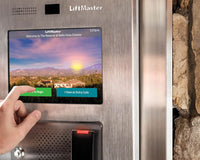
Individual PIN codes at the gate create a record of who entered the property and when. MiniCo Insurance lists codes that stay active after a tenant moves out as an underwriting concern, so deactivate them the day the unit is vacated. For system options, see best access control systems for self-storage facilities and access control keypads.
Camera Coverage and Footage Review
Underwriters ask whether camera coverage reaches blind spots and whether someone reviews the footage instead of only recording it, according to MiniCo Insurance. Lone Star Risk Partners notes that footage stored off-site or in the cloud is among the most valued features. Compare equipment in self storage security cameras and video recorders.
Perimeter Fencing, Gates and Lighting
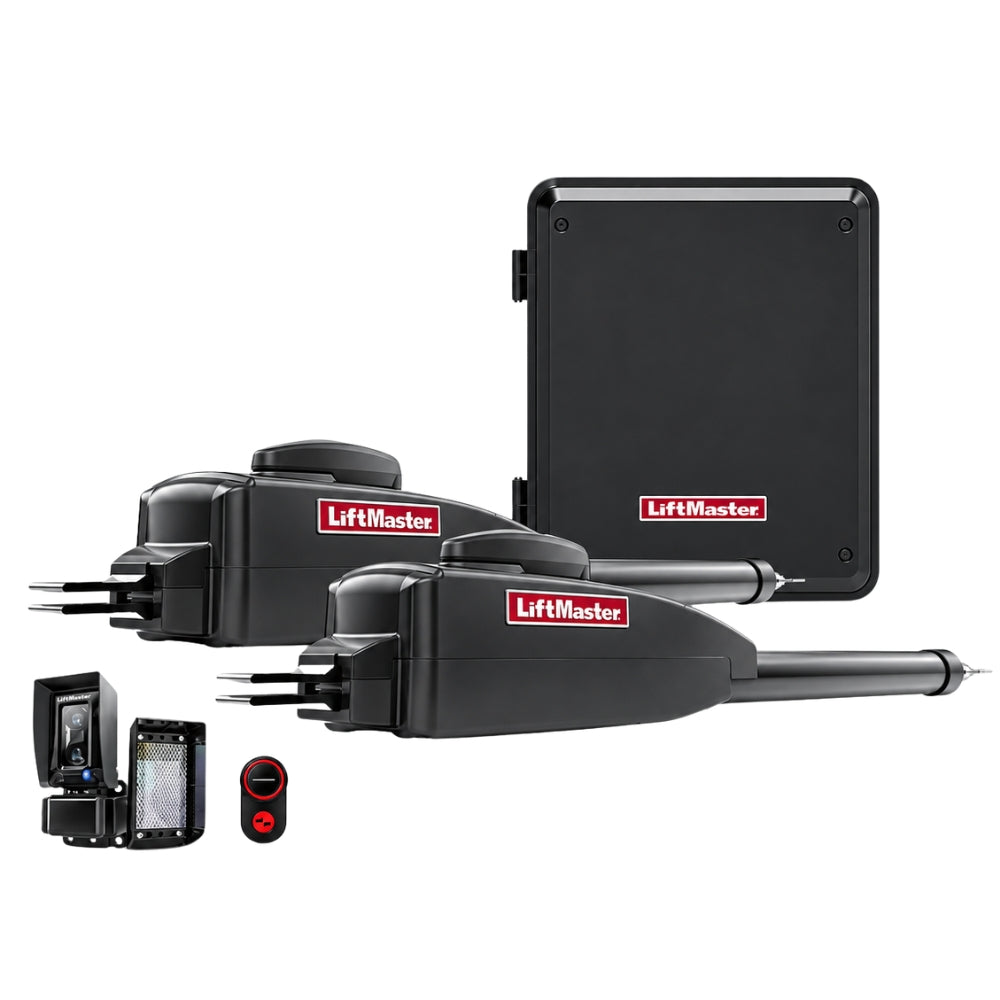
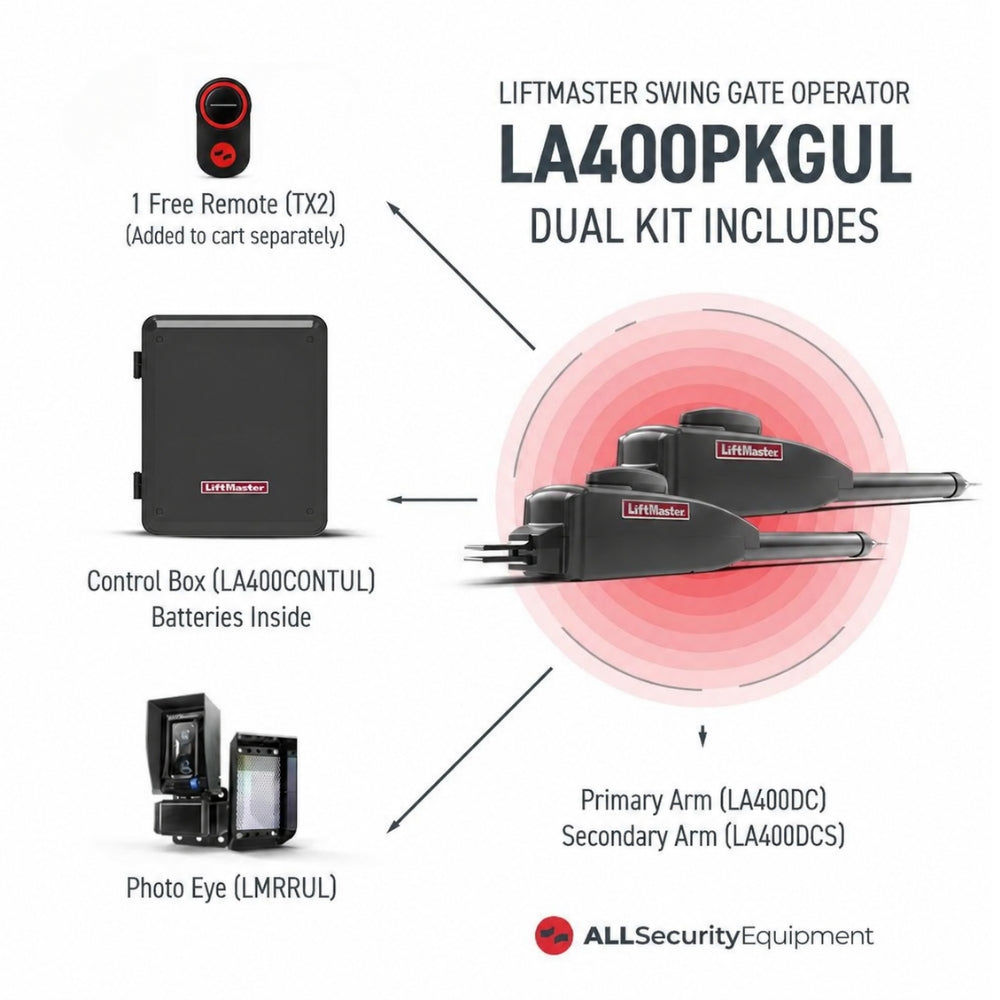
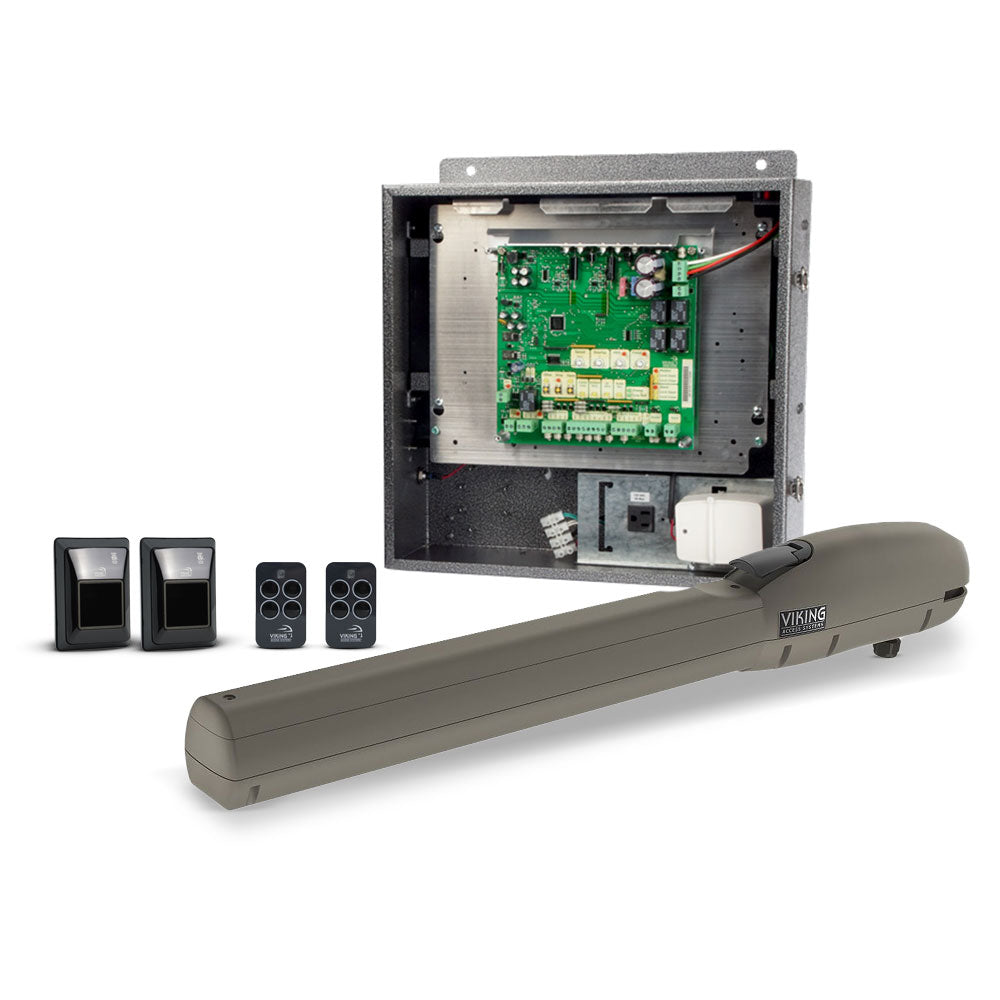
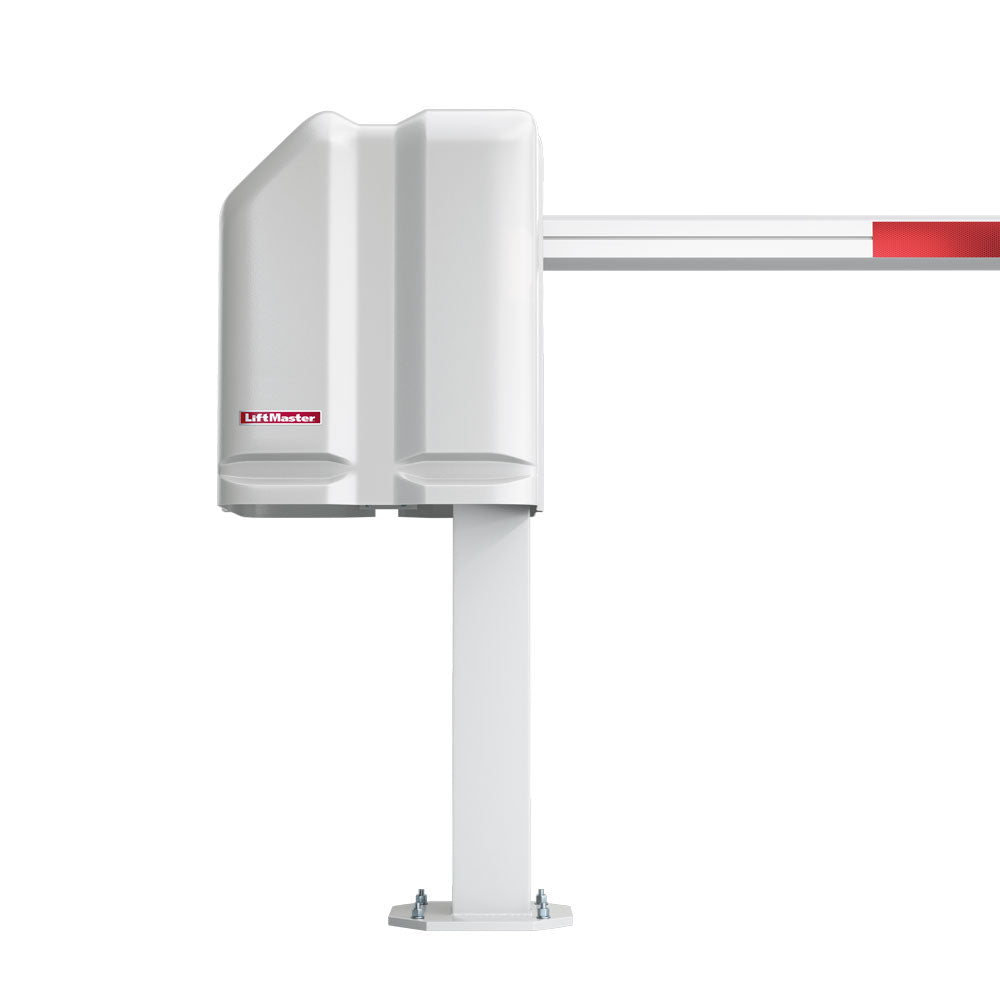
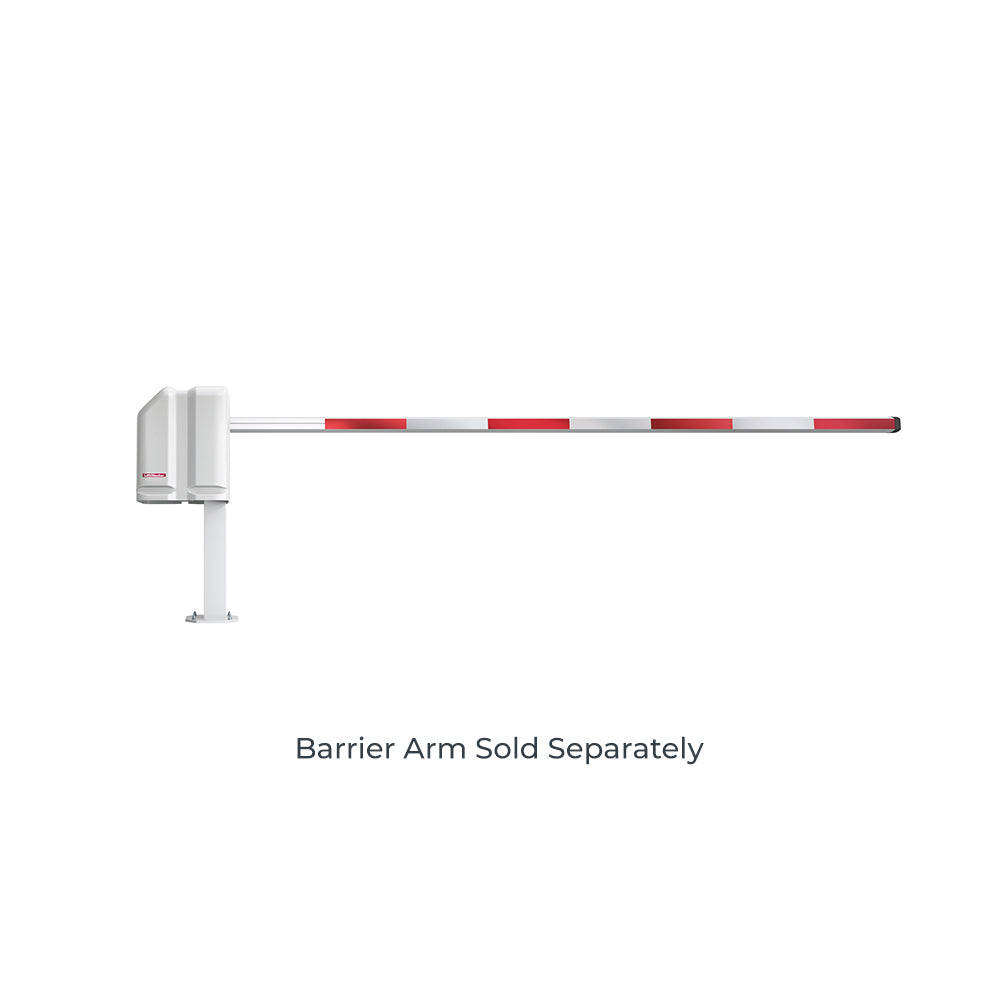
The MiniCo Insurance submission checklist asks whether perimeter fencing and gate access actually work on-site and whether lighting reaches back rows and loading areas. A gate that stays open or a dark loading area undercuts the rest of the system. See storage gate operators for self storage and perimeter detection systems.
Security Records to Keep for Underwriting and Claims
After a break-in, underwriters look at what happened next, according to MiniCo Insurance: repaired fencing, an access audit and a written record of the response. Keep these records ready for renewals and claims:
-
A written incident log with the corrective action taken for each event.
-
Dates, photos, invoices, inspections or vendor documents for each security upgrade.
-
Testing and maintenance records for cameras, gates and access control, including code changes.
-
Three to five years of loss runs, with explanations of security-related losses.
-
ID verification and complete, current lease documentation for every tenant.
The Cybersecurity and Infrastructure Security Agency (CISA) also recommends reviewing and updating a security plan regularly.
Storage Unit Liability and the Facility's Duty of Care
Self storage rental agreements typically state that the facility owner is not responsible for tenants' belongings, according to MiniCo Insurance. That clause does not remove all storage unit liability: an owner can still be found negligent, for example by failing to make a requested roof repair before a storm damages stored property. Customer goods legal liability coverage is designed for those situations.
Negligent security is a branch of premises liability in which a property owner is accused of failing to provide reasonable security against crime that was foreseeable at the property. Foreseeability is the central question in these claims, and premises liability law differs from state to state. Dated maintenance records, access logs and camera footage show what security a facility actually provided; an attorney can explain how they apply in a specific state.
Self Storage Tenant Insurance and Tenant Protection Plans
Self storage tenant insurance is a policy that covers the tenant's stored belongings. A tenant protection plan works differently: in the MiniCo Insurance program, the tenant signs an addendum to the rental agreement, the owner waives the release of liability for property damage, and the owner carries a contractual liability insurance policy (CLIP) for the plan.
Security also affects which self storage insurance programs fit a facility. MiniCo Insurance lists full perimeter fencing, 400 or more units and a signed rental agreement for every tenant among the traits of operations that tend to succeed with its plan. For the renter's view of facility security, see Self Storage Security: What Renters Should Know.
All Security Equipment supplies gate operators, access control, perimeter detection and video surveillance for storage properties through its self storage facilities program.
Storage Facility Insurance FAQs
Does better security lower insurance for self storage facilities?
It can help. Storage Protectors lists cameras, access control and alarms among premium factors, but any discount depends on the carrier, and underwriters check that the equipment works and is maintained.
What kind of insurance does a self storage facility need?
Self storage programs pair property coverage for the buildings with specialty coverages such as customer goods legal liability, sale and disposal liability, pollutant removal and cyber. A licensed agent can confirm which ones a specific facility needs.
Are storage units liable for theft?
Rental agreements usually state that the facility is not responsible for tenants' belongings, so theft losses typically fall to tenant insurance or a tenant protection plan. An owner can still be held liable if found negligent.
Do self storage facilities require tenants to have insurance?
Not always. Each facility sets the rule in its rental agreement; some require tenant insurance or enrollment in a tenant protection plan, while others leave coverage optional.
Does homeowners insurance cover self storage units?
Often partly. According to the Insurance Information Institute, some homeowners policies cover belongings kept off-premises, and some insurers limit that coverage to 10% of the policy's personal property amount.