Skip to content

Battery systems have become an important part of modern home automation. Many homes now rely on powered systems for daily access and security. Automatic gates, garage door openers, and access control systems all depend on electricity to operate.
When a power outage happens, these systems may stop working completely. Gates may stay closed. Garage doors may not open. Access systems may lose power.
This is why many homeowners install a home power battery backup system.
Battery systems store energy while grid power is available. When electricity fails, the stored energy provides backup power so important systems can continue working.
However, when shopping for battery solutions, homeowners often encounter two different options:
-
battery backup kits
-
replacement batteries
At first glance, these products may look similar. In reality, they solve different problems. Choosing the correct one depends on the type of system installed in your home.
If you want to explore available options, you can browse battery backup systems designed for gate operators and garage door openers.

Two Different Types of Battery Backup Solutions
Most home battery backup systems fall into one of two categories.
The first category is a battery backup kit. This type of product provides a complete system that delivers backup power during outages.
The second category is a replacement battery. This product restores power storage in systems that already have backup batteries installed.
Both solutions support home power battery backup, but they serve different purposes.
Understanding the difference helps homeowners choose the right system for their equipment.
Battery Backup Kits: Adding Backup Power to a System
A battery backup kit is used when equipment does not already have a battery system installed.
Many older automation systems were designed to run only on electricity from the grid. When power failed, the system stopped working.
Battery backup kits solve this problem by adding an energy storage system to the equipment.
Most kits include several components that work together:
-
rechargeable batteries
-
charging electronics
-
power supply connections
-
mounting components
When the system is connected, it charges the batteries while electricity is available.
If a power outage occurs, the battery automatically supplies energy so the equipment continues operating.
Battery kits are commonly installed in:
-
gate operators
-
garage door openers
-
access control systems
-
automation equipment
These systems provide reliable backup during electrical interruptions and help maintain access to the property.
Replacement Batteries: Restoring an Existing System
A replacement battery serves a different purpose.
Many automation systems already include a battery backup feature. However, the batteries inside these systems wear out over time.
Like most rechargeable batteries, their battery capacity decreases after several years.
When the battery loses capacity, the system may no longer provide reliable backup during a power outage.
Replacing the battery restores the system’s ability to store energy and deliver backup power.
Most batteries in gate operators and garage door openers last between three and five years.
After that time, replacing the battery helps maintain consistent performance.
A Simple Way to Decide
Many homeowners are unsure which option they need.
A simple inspection of the equipment can often provide the answer.
If the system already contains a battery, you likely only need a replacement battery.
If the system does not include a battery, installing a battery backup kit may be the correct solution.
Gate operator control boxes usually contain a small battery compartment. If the compartment is empty, the system may require a backup kit.
If a battery is present, replacing it may be the only step required.

Battery Backup for Gate Operators
Automatic gate systems depend on electricity to operate. Motors, sensors, and control boards all require power.
Without backup power, gates may stop functioning during outages.
Battery systems ensure that the gate operator continues working even when electricity from the grid is unavailable.
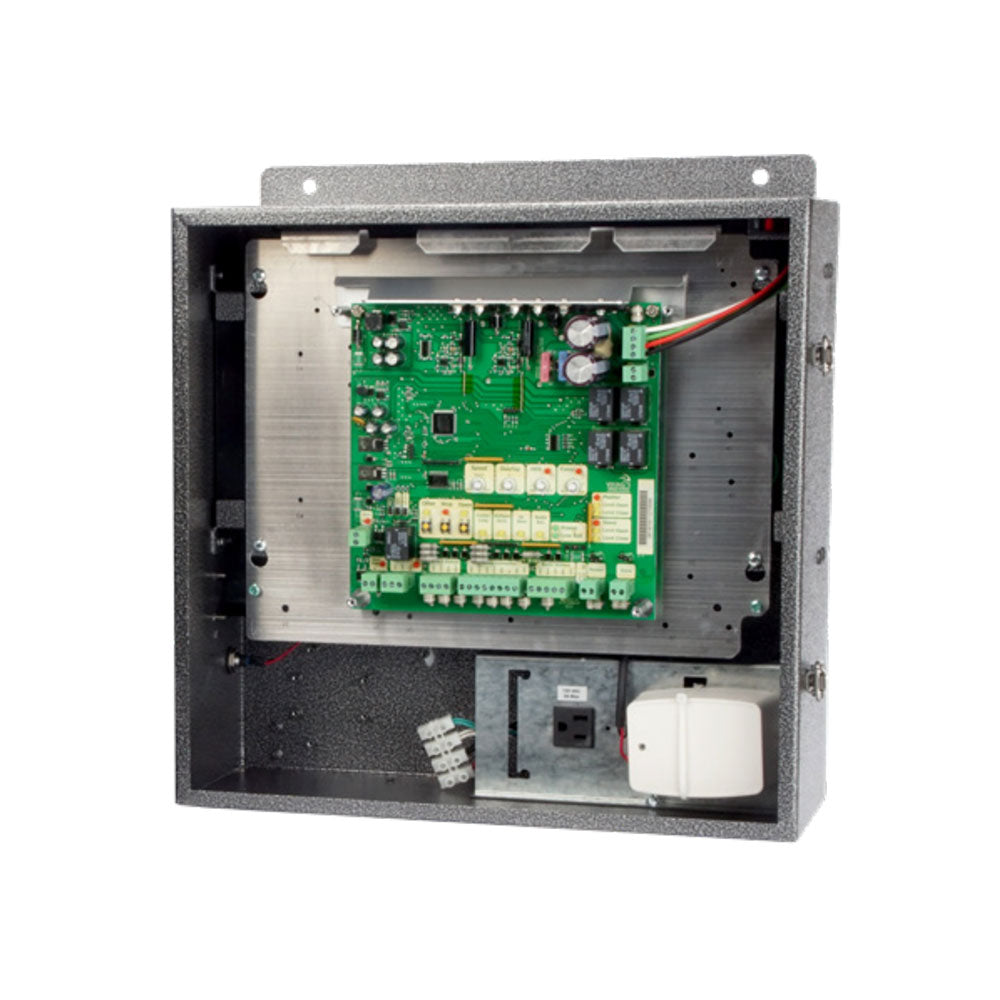
A common backup solution is the BFT KUPS 1000VA backup system.
This type of system stores energy and delivers backup power when electricity fails.
Battery kits like this provide a dependable power solution for automated gates.
They help ensure that homeowners can still enter and exit their property during power interruptions.
Replacement Batteries for Gate Systems
When a gate operator already includes a battery system, replacing the battery restores its performance.
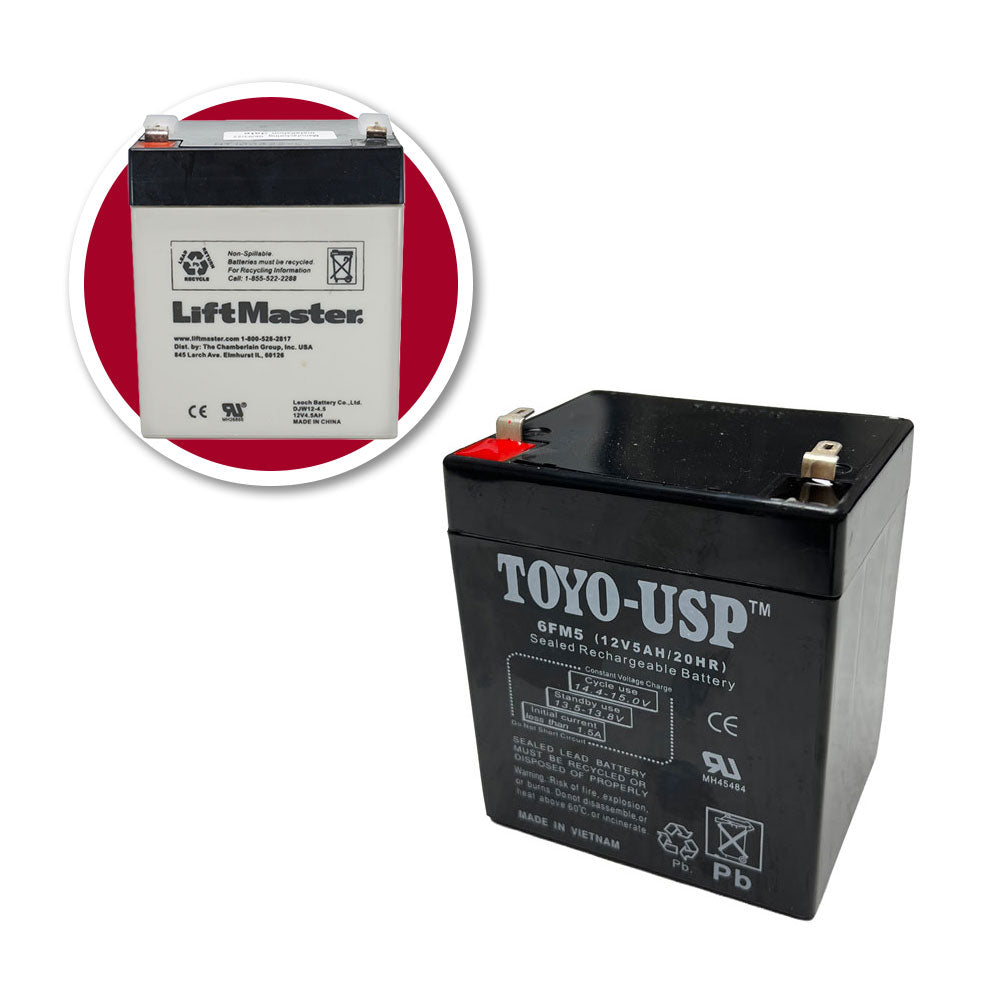
For example, the BFT P125035 backup battery supports compatible BFT gate automation equipment.
Another option is the BFT P125005 battery, which provides additional battery capacity for certain gate systems.
These batteries restore the system’s ability to provide backup power during outages.
Replacing worn batteries helps maintain reliable gate operation over the long term.
Backup Batteries for Garage Door Openers
Garage doors are another system that depends on electricity.
When the power goes out, a garage door opener may stop functioning. This can prevent homeowners from entering or leaving their garage.
Battery systems solve this problem by supplying stored energy during outages.
The LiftMaster 041B0591 battery backup supports LiftMaster garage door openers and provides backup power when electricity fails.
Another example is the Marantec 167330 battery backup, designed for Marantec systems.
Both solutions help ensure that garage doors remain operational even when grid electricity stops.
You can learn more about battery systems in our guide: Best Home Battery Backup Systems
Battery Capacity and Power Output
When selecting a battery solution, two factors are important.
The first is battery capacity. This determines how much energy the battery can store.
Higher capacity batteries can provide energy for longer periods.
The second factor is power output. This determines how much electricity the battery can deliver at one time.
Gate motors often require strong power output when they begin moving.
Choosing a battery with the correct capacity ensures the system functions properly during outages.
Battery Backup and Modern Home Energy Systems
Battery systems are also part of broader home energy strategies.
Some homeowners combine batteries with solar panels to store energy generated from sunlight.
Solar panels produce solar energy, which can charge batteries during the day.
The stored energy can later power devices when electricity from the grid is unavailable.
Large systems that use solar batteries may even help reduce the monthly electricity bill.
However, smaller automation batteries are typically designed to power individual devices rather than an entire home.
Long-Term Benefits of Battery Backup Systems
Installing a home power battery backup system offers several advantages.
Battery systems provide reliable backup when grid electricity fails.
They help maintain access to important areas of the home, including garages and gated driveways.
They also help protect automation equipment from sudden shutdowns during outages.
In addition, battery backup systems are usually a cost effective alternative to larger generator systems.
Over the long term, they provide a simple and dependable solution for maintaining access and security during power interruptions.
Final Thoughts
Battery backup systems play an important role in modern homes. Automation equipment such as gates and garage doors relies on electricity to function.
When the grid fails, these systems stop working unless backup power is available.
Battery backup kits provide complete home battery backup solutions for systems that do not yet include batteries.
Replacement batteries restore performance in systems that already have backup power installed.
Understanding the difference helps homeowners choose the right solution for their equipment and maintain reliable access during power outages.