Skip to content

The Critical Importance of Proper Installation
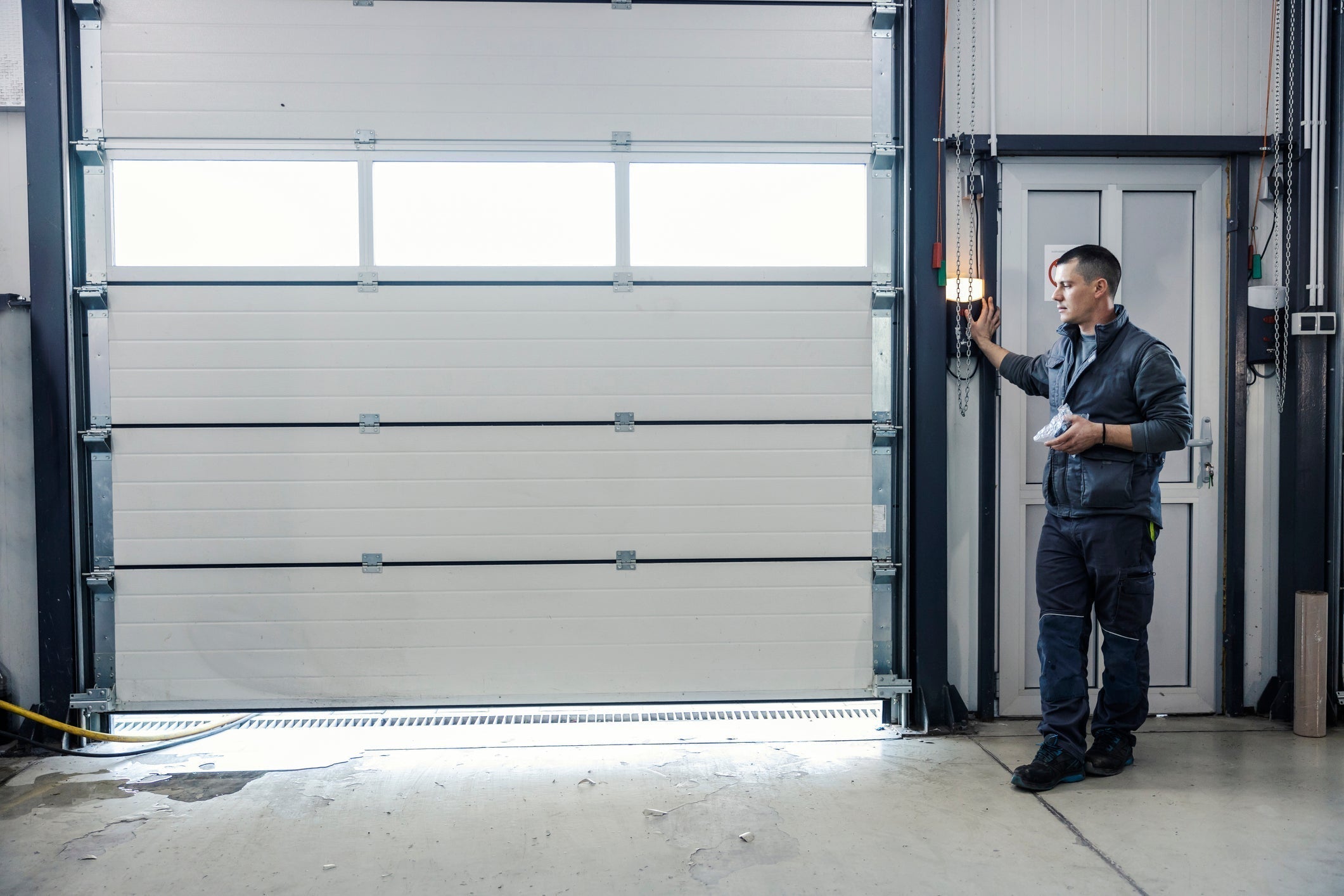
Garage doors are the primary vehicle entry points for residences, retirement homes, and gated communities, making the garage door opener a vital component of perimeter security. However, poor installation creates severe operational and safety hazards. Misaligned tracks or improperly tensioned springs can cause the door to operate erratically or, worse, suddenly come crashing down, risking injury or property damage.

Additionally, improperly installed safety features like photo eyes may malfunction, turning a convenience into a liability. For property managers, such mistakes lead to premature equipment failure, costly repairs, and a direct compromise to the residential security perimeter.
Choosing the correct installation method—Do-It-Yourself or professional—is the first critical decision in mitigating these risks. Today’s All Security Equipment blog post, the first in a three-part series on access security installation, provides a focused, expert comparison of both approaches. We'll analyze the essential pros and cons of each method to help homeowners, security supervisors, and property managers make an informed choice that prioritizes long-term safety, operational reliability, and budget management.
Optimizing Installation: Cost, Safety, and Expertise Trade-Offs
The decision between a DIY install and hiring an expert involves balancing immediate savings against guaranteed safety and expertise. For security managers overseeing residential properties, assessing your team's skills against the technical demands of opener alignment and spring tensioning is paramount.
Do-It-Yourself (DIY) Installation: Cost vs. Risk
The DIY route is often chosen for immediate cost savings but introduces complex technical and safety risks. Property managers considering this for bulk replacements must weigh the hourly labor savings against potential liability and long-term repair costs.

Pros of DIY Installation:
- Immediate Cost Savings on Labor: This is the most significant advantage, as you avoid all labor fees. For homeowners on a tight budget or property management seeking to reduce overhead, saving hundreds of dollars per unit can be highly appealing, allowing funds to be allocated to other security needs.
- Complete Flexibility and Scheduling Control: The DIY approach allows you to work entirely on your own schedule without coordinating with an installer's availability. This is advantageous for individuals with unpredictable work hours or for quick, emergency replacements where waiting for a service appointment isn't feasible.
- Enhanced Technical Knowledge and Maintenance Skill: Successfully installing the opener provides intimate knowledge of the unit's mechanics and wiring. This technical understanding empowers the user to perform minor adjustments, troubleshoot basic issues, and efficiently handle future maintenance without needing a paid technician.
Cons of DIY Installation:
- High Risk of Injury and Serious Safety Hazards: Garage door systems are dangerous, involving heavy lifting and working directly with the torsion spring, which is under extreme tension. Without extensive training, a DIY job risks serious injury or can result in the door crashing down, creating a severe liability for the property.
- Potential to Void Manufacturer Warranties: Many manufacturers mandate professional installation to validate the warranty. A DIY installation can instantly void your coverage, meaning any subsequent malfunction or component failure becomes an out-of-pocket expense, entirely negating any initial labor savings.
- Long-Term Reliability and Hidden Costs: Amateurs frequently make small but critical errors, such as misaligning the track or failing to properly set the travel limits. These mistakes cause the opener motor to labor excessively, leading to accelerated wear, premature component failure, and the inevitable requirement for a professional to correct the installation.
Professional Installation: Safety vs. Expense

Professional installation provides essential technical proficiency, safety compliance, and comprehensive guarantees critical for high-liability residential environments like gated communities. The increased initial expense is often a sound investment in long-term operational integrity.
Pros of Professional Installation:
- Guaranteed Safety and Code Compliance: Professionals are trained to handle high-tension springs and critical electrical work safely. They ensure the installation meets all necessary safety regulations, including UL 325 standards for monitored safety devices. This is non-negotiable for security managers concerned with resident safety and property liability.
- Expertise for Complex Adjustments and Alignment: Experts possess the specialized tools and experience to properly balance the door and align the opener system precisely. They can identify and correct pre-existing issues, such as uneven tracks, ensuring the new opener starts with optimal performance, reducing strain and extending the system's operational lifespan.
- Warranties, Guarantees, and Reduced Liability: Hiring a certified technician protects the manufacturer's warranty and provides an additional labor warranty on the installation itself. This acts as a comprehensive insurance policy: if a problem arises, the service is guaranteed, dramatically lowering long-term repair costs and mitigating the property owner’s liability.
Cons for Professional Installation:

- High Upfront Service and Labor Fees: The primary disadvantage is the unavoidable, significant cost associated with labor, tools, and expertise. This upfront expense can be prohibitive for property managers facing large-scale installation projects or homeowners seeking maximum immediate budget savings.
- Scheduling Inflexibility and Time Constraint: Hiring a professional requires you to conform to their business schedule, necessitating an appointment that may not align with your immediate needs or availability. This lack of control can delay the restoration of perimeter security, especially during busy seasons when installers are heavily booked.
- Potential for Unnecessary Upselling and Material Costs: While most professionals are trustworthy, property owners risk being convinced to purchase more expensive hardware or services than necessary. Furthermore, the installation company controls the parts inventory and pricing, removing the opportunity to seek out a competitive deal on the opener unit or accessories.
Making the Strategic Choice

Securing this critical access point requires a strategic decision that extends beyond the initial purchase price. While the DIY route offers appealing immediate cost savings, it introduces substantial risks related to safety, potential long-term equipment damage, and the compromise of your perimeter security.
For safety-focused homeowners and residential property managers, the expertise, confirmed safety compliance, time efficiency, and, crucially, warranty protection provided by a professional often outweigh the higher initial investment, ensuring system reliability and mitigating long-term liability.
Ready to ensure your community or home is protected by a perfectly installed, high-performance garage door opener system? Contact the All Security Equipment specialists today for a professional consultation and expert installation service tailored to your property's security standards.