Skip to content

How Modern Access Control Systems Are Evolving Beyond Traditional Door Security
The access control industry is experiencing one of the most significant transformations in its history. What was once a simple system of keys, locks, and card readers has evolved into an intelligent ecosystem that combines cloud management, artificial intelligence (AI), mobile credentials, smart intercoms, cybersecurity, visitor management, and real-time analytics.
Today’s organizations no longer view access control as simply a way to lock and unlock doors. Modern systems are expected to improve operational efficiency, simplify visitor management, strengthen cybersecurity, and integrate seamlessly with broader security infrastructure.
Whether you’re managing a corporate office, multifamily property, educational campus, healthcare facility, industrial complex, or commercial building, understanding emerging access control trends can help future-proof your security investments.
This guide explores the technologies transforming the industry and the products that support next-generation access control systems.
The Evolution of Access Control
Access control has evolved through several major phases.
Mechanical Security
Traditional security relied on:
- Mechanical locks
- Physical keys
- Master key systems
While effective, these solutions provided little visibility or control over who entered a facility.
Electronic Access Control
The introduction of electronic security introduced:
- Card readers
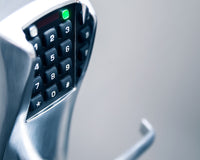
- Keypads
- Electric strikes
- Magnetic locks
- Credential management systems
Organizations gained the ability to manage permissions without replacing physical locks.
Intelligent Access Control
Today’s systems combine:
- Cloud-based management
- Mobile credentials
- Smart intercoms
- Video verification
- Artificial intelligence
- Unified security platforms
- Real-time analytics
Access control is no longer just a physical security tool—it’s becoming a strategic operational platform.
Trend #1: Cloud-Based Access Control
Cloud technology is rapidly becoming the preferred deployment model for modern access control systems.
Traditional access control platforms required:
- On-premise servers
- Local software management
- IT support resources
- Manual updates
Cloud-managed systems eliminate many of these challenges.
Benefits of Cloud Access Control
Remote Administration
Security managers can:
- Add users
- Remove credentials
- Unlock doors
- Review activity logs
- Manage schedules
from virtually anywhere.
Reduced Infrastructure Costs
Organizations can reduce expenses related to:
- Local servers
- Software maintenance
- Hardware upgrades
Automatic Updates
Cloud systems receive ongoing updates without requiring on-site intervention.
Scalability
Organizations can expand across multiple facilities while maintaining centralized management.
Recommended Product Categories
- Cloud Access Control Platforms
- Access Control Controllers
- Multi-Technology Readers
- Mobile Credential Solutions
Popular technologies include:
- HID Readers
- Cloud-Managed Access Platforms
Trend #2: Mobile Credentials Continue to Replace Physical Cards
Mobile credentials are becoming one of the fastest-growing segments of access control.
Instead of carrying physical cards, users access facilities using:
- Smartphones
- Digital wallets
- Bluetooth credentials
- NFC credentials
Benefits of Mobile Credentials
Convenience
Most people already carry their smartphones throughout the day.
Reduced Credential Costs
Organizations eliminate the need to continually purchase replacement cards.
Improved Security
Mobile credentials often provide:
- Encryption
- Device authentication
- Remote credential revocation
Recommended Products
- HID Mobile Credentials
- HID Signo Readers
- Bluetooth Readers
- Multi-Technology Readers
Trend #3: Artificial Intelligence in Physical Security
Artificial intelligence is becoming an increasingly valuable component of physical security systems.
AI helps organizations identify patterns, detect anomalies, and improve response times.
AI Applications
Behavioral Analysis
AI can detect unusual activity patterns such as:
- Repeated denied access attempts
- After-hours activity
- Unauthorized movement
Occupancy Monitoring
Organizations can analyze:
- Building utilization
- Traffic flow
- Occupancy trends
Automated Alerts
AI systems can automatically notify security personnel when suspicious activity occurs.
Trend #4: Unified Security Platforms
Organizations increasingly prefer integrated security ecosystems rather than standalone systems.
Modern platforms often combine:
- Access Control
- Video Surveillance
- Visitor Management
- Intercom Systems
- Intrusion Detection
Benefits of Integration
Faster Incident Response
Security teams can verify events using live video.
Centralized Administration
Multiple security systems can be managed through a single interface.
Better Investigations
Unified event logs improve reporting and incident review.
Trend #5: Smart Intercoms and Cloud-Based Video Entry Systems
One of the fastest-growing areas of physical security is the rise of intelligent intercom systems.
Traditional intercoms have evolved into cloud-connected communication platforms that support:
- Mobile answering
- Video verification
- Remote door release
- Visitor management
- Delivery management
Why Smart Intercoms Are Becoming Essential
Organizations increasingly need the ability to manage access without being physically present.
Smart intercoms allow administrators, residents, and employees to:
- See visitors remotely
- Speak with visitors through mobile devices
- Grant access from anywhere
- Review visitor activity logs
Common Applications
Multifamily Properties
Residents can answer visitor calls from their smartphones.
Commercial Offices
Reception staff can remotely verify and admit visitors.
Schools
Administrators can screen visitors before granting entry.
Healthcare Facilities
Visitor management becomes more secure and efficient.
Cloud-Based Video Entry Systems
Modern video intercom systems combine:
- HD cameras
- Mobile applications
- Cloud management
- Door release controls
These systems help organizations improve both security and convenience.
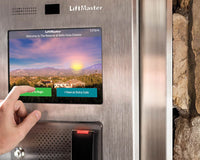
myQ Smart Access Solutions
Cloud-based access technologies are also transforming property and facility management.
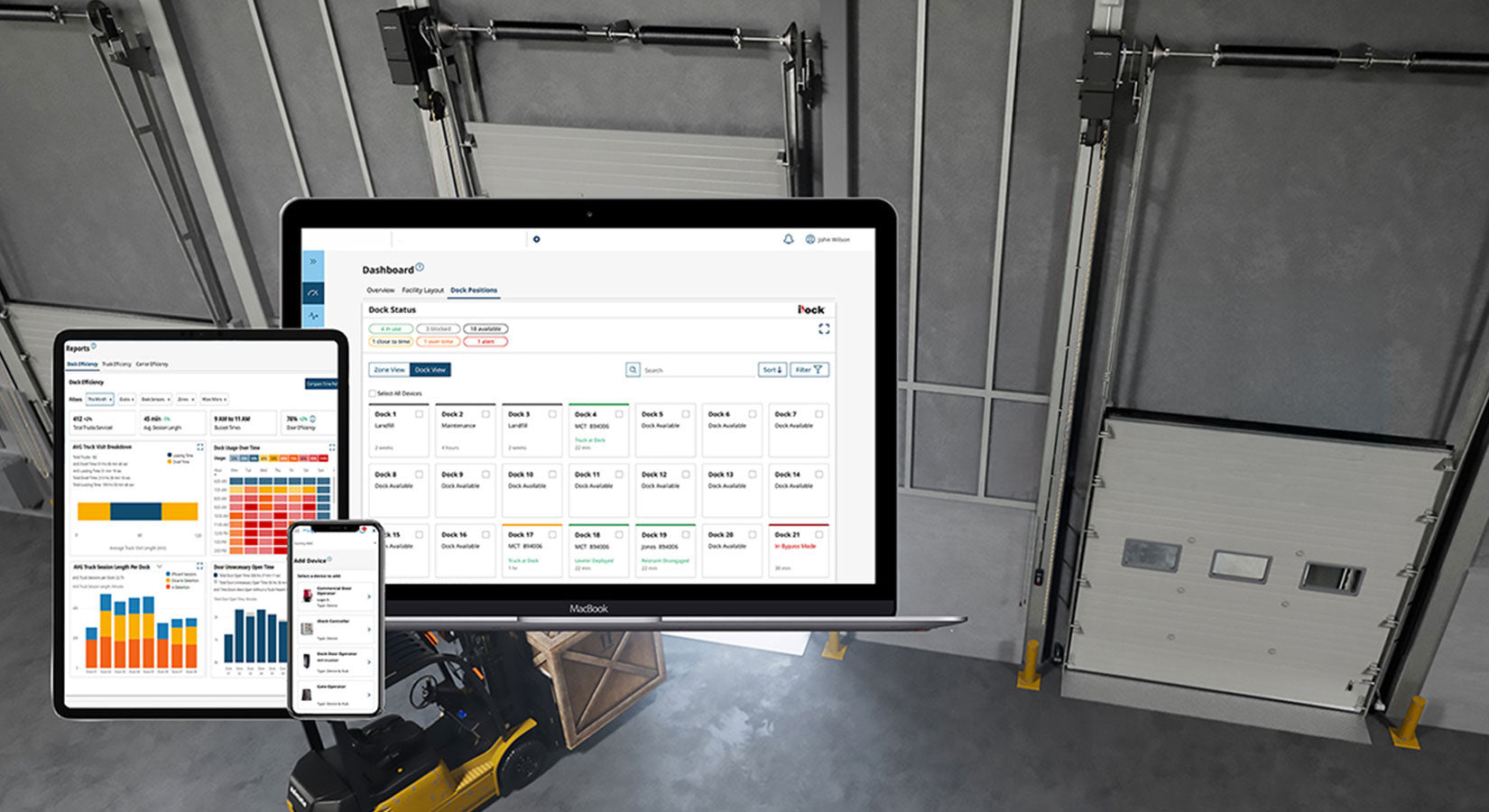
The myQ ecosystem provides intelligent access management solutions that allow organizations to manage entrances, gates, garages, and delivery access remotely.
Key Benefits of myQ
- Mobile access control
- Remote property management
- Visitor access management
- Delivery management
- Real-time notifications
- Activity monitoring
For commercial facilities, multifamily properties, gated communities, and mixed-use developments, solutions like myQ demonstrate how access control is extending beyond traditional doors into complete property management ecosystems.
Recommended Product Categories
- Smart Intercom Systems
- Video Door Stations
- Mobile Entry Systems
- Visitor Management Systems
- Smart Gate Access Solutions
- Cloud-Based Access Platforms
Trend #6: Cybersecurity Becomes a Top Priority
As access control systems become increasingly connected, cybersecurity is now a critical consideration.
Organizations face risks including:
- Credential theft
- Network intrusions
- Unauthorized device access
- Malware attacks
Cybersecurity Best Practices
Modern systems should support:
- Encrypted communication
- Multi-factor authentication
- Secure credential storage
- Firmware management
Recommended Product Categories
- Secure Controllers
- Encrypted Readers
- Mobile Credentials
- Network Security Appliances
Trend #7: Touchless and Frictionless Access
Demand for touchless entry continues to grow.
Organizations are increasingly implementing:
- Mobile Credentials
- Wave-to-Open Sensors
- Automatic Door Operators
- Facial Authentication Technologies
Benefits
Improved User Experience
Users can move through facilities without physical interaction.
Better Hygiene
Touchless technologies are particularly valuable in healthcare and public environments.
Trend #8: Smart Analytics and Reporting
Modern access control systems generate valuable operational data.
Organizations can use analytics to improve:
- Security operations
- Facility utilization
- Staffing decisions
- Energy management
Common Analytics
- Occupancy reports
- Door activity reports
- Visitor trends
- Credential utilization reports
Data-driven security management is becoming a major competitive advantage.
Preparing for the Future
Organizations planning upgrades should consider:
- Cloud-based management
- Mobile credentials
- Smart intercom systems
- Visitor management platforms
- Cybersecurity improvements
- Unified security ecosystems
Choosing scalable technology today helps avoid costly replacements tomorrow.
Final Thoughts
The future of access control extends far beyond card readers and door locks. Cloud platforms, AI-powered analytics, smart intercoms, mobile credentials, visitor management systems, and solutions like myQ Smart Access are transforming how organizations secure and manage their facilities.
As these technologies continue to evolve, businesses that invest in flexible, scalable, and integrated systems will be better positioned to improve security, enhance user experiences, and simplify operations.
All Security Equipment offers a complete portfolio of access control readers, cloud-based systems, mobile credentials, smart intercoms, video entry systems, electric strikes, magnetic locks, power supplies, and integrated security solutions to help organizations build the next generation of secure, connected facilities.