Skip to content

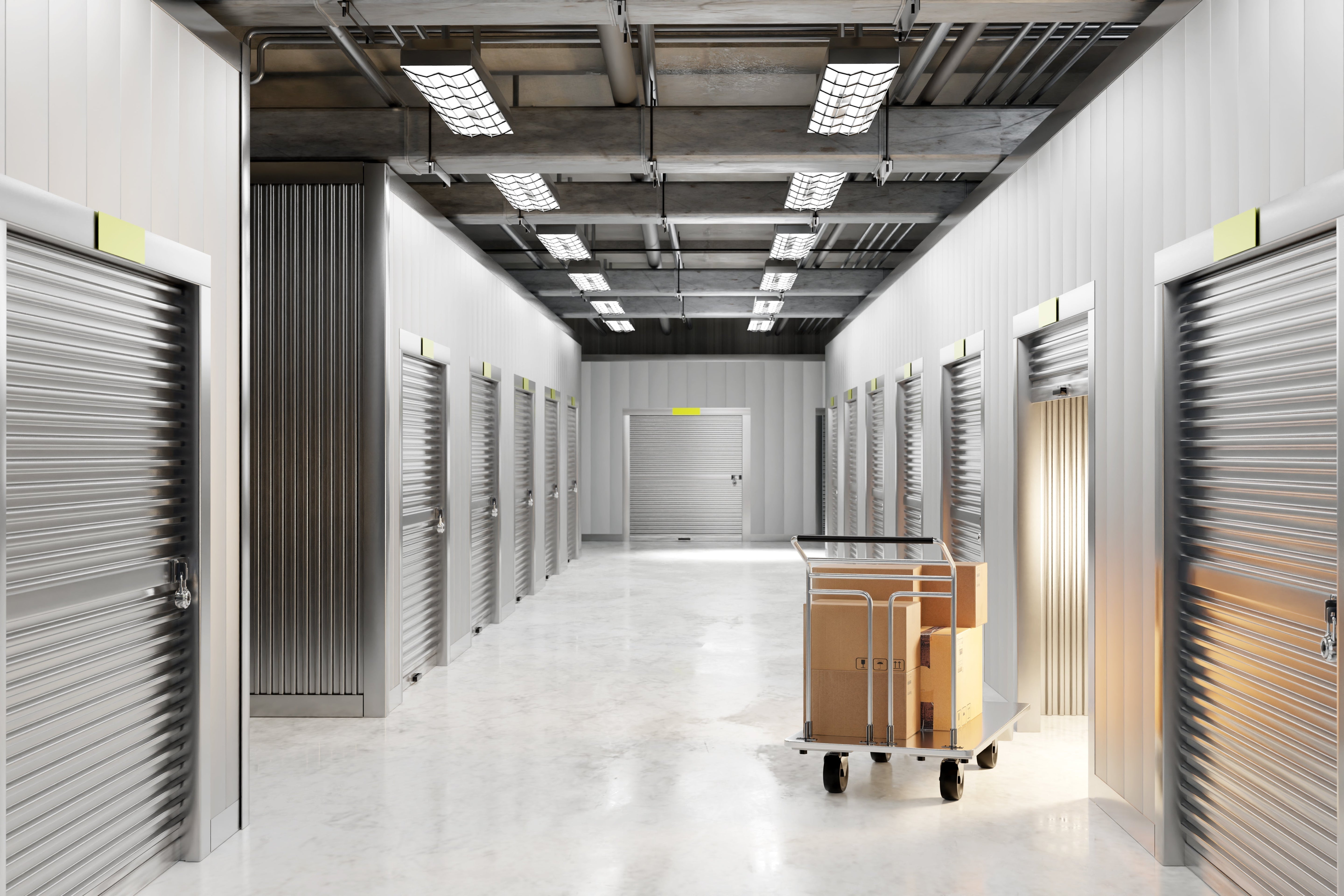
Self storage facilities hold high value items for hundreds of customers at once. Without a reliable self storage security system, your facility is exposed to theft, vandalism, and liability. This guide walks facility owners through the key security systems, how they work together, and what to consider when building a strong security program. For a full overview of solutions built for the industry, visit our self storage facility security solutions page.
Why Security Matters for Storage Facilities
In 2022, companies worldwide lost a combined $1 trillion from physical security incidents. Self storage facilities are frequent targets because they store valuable property and are often unstaffed overnight.
Strong security measures help you:
• Prevent break-ins and reduce theft
• Protect customers' belongings and build trust
• Avoid legal liability and insurance claims
• Differentiate your facility in a competitive market
• Comply with local regulations and insurance requirements
Core Components of a Self Storage Security System
A complete storage facility security system combines several layers of protection. Each layer addresses a different type of risk.
1. Access Control Systems
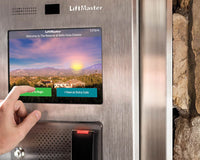
Access control measures determine who enters your facility and when. Modern access control systems for self storage typically include keypads, key fobs, PIN codes, or mobile app entry. These systems log every entry and exit, giving you a clear record of activity at every individual unit and gate.
Key features to look for:
• Individual unit access codes per tenant
• Automated gate operators with audit trails
• Time-restricted access for specific hours
• Integration with facility management software
Browse our access control systems for self storage to find the right solution for your facility.
2. Video Surveillance Cameras
Surveillance cameras are the most visible part of any storage facility security system. They deter criminal activity and provide evidence when incidents occur. High-definition cameras placed at entry points, driveways, hallways, and loading areas give you complete visibility across the site.
Best practices for video surveillance:
• Cover all entry and exit points
• Use cameras with night vision for 24/7 coverage
• Store footage securely with at least 30-day retention
• Display visible signage indicating camera coverage
Explore our range of video surveillance cameras for storage facilities to find the right fit for your site.
3. Alarm Systems and Motion Sensors
An alarm system adds an active layer of protection to your physical security setup. Motion sensors detect movement in restricted areas, while door alarms alert you when individual unit doors are opened outside of authorized hours. These systems can trigger immediate alerts to staff or a monitoring center.
Common alarm configurations include:
• Perimeter motion sensors along fences and walls
• Individual unit door sensors for after-hours alerts
• Central monitoring with 24/7 response capability
• Silent alarms to avoid alerting intruders
4. Perimeter Security
Perimeter security is the first line of defense at any secure storage facility. Fencing, barriers, and lighting define the boundaries of your property and discourage unauthorized access before anyone reaches your units.
Effective perimeter security measures include:
• Chain-link or steel fencing at minimum 6 feet high
• Barbed wire or anti-climb additions for high-risk areas
• Bright LED lighting across all exterior zones
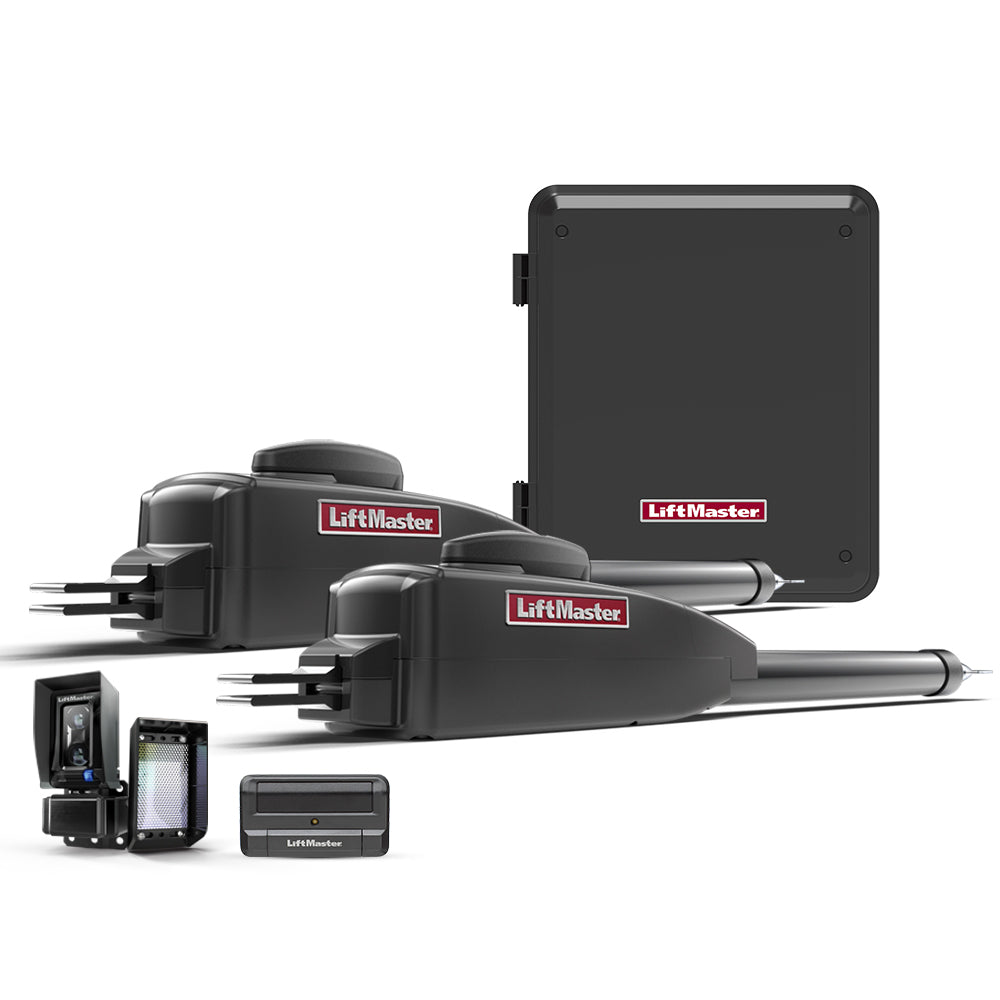
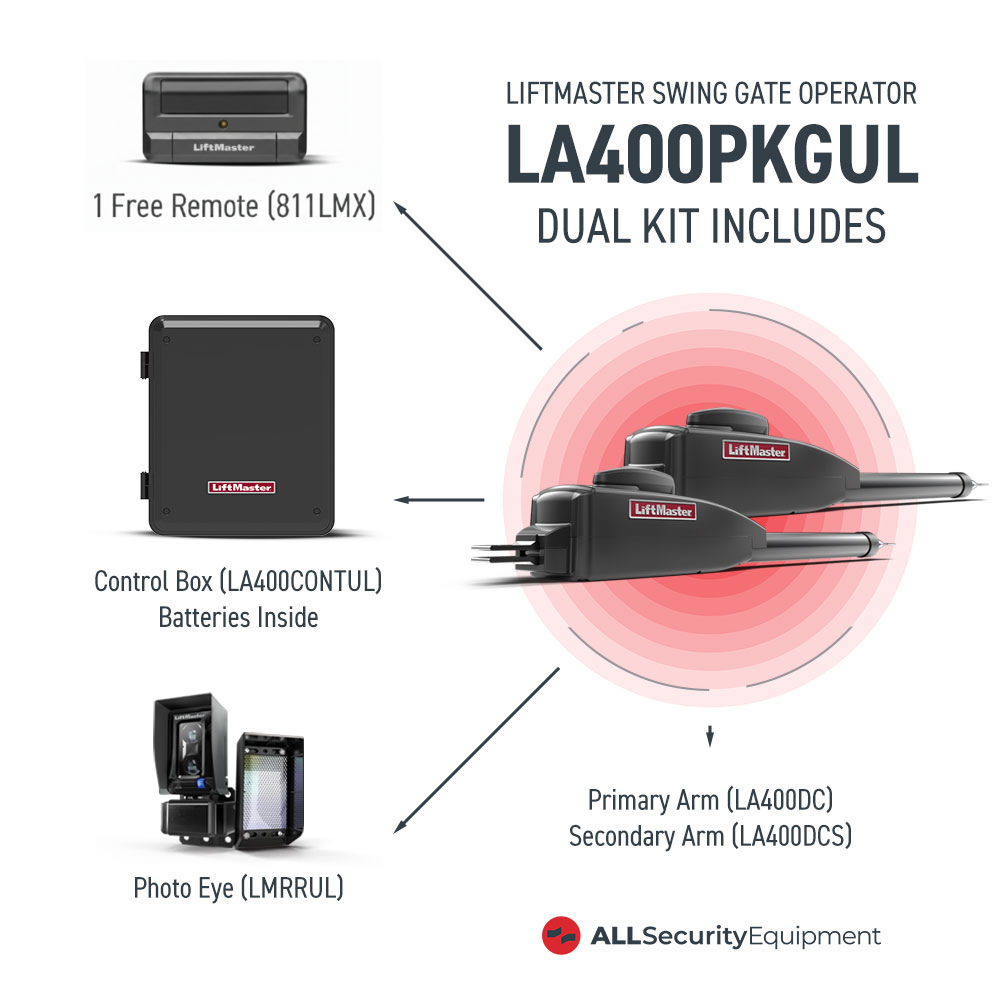
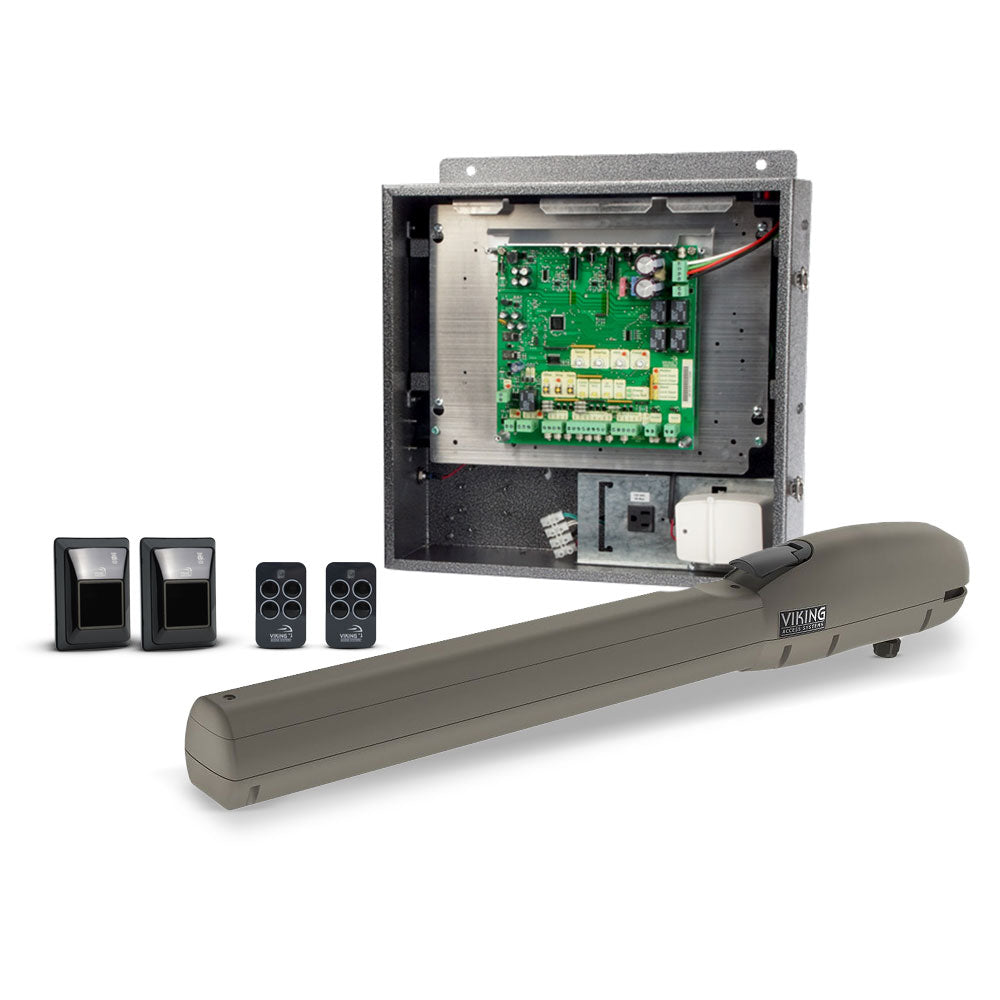
• Gate operators with keypad or card reader entry
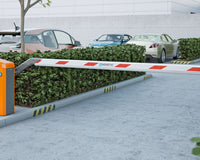
5. Parking and Vehicle Access Systems
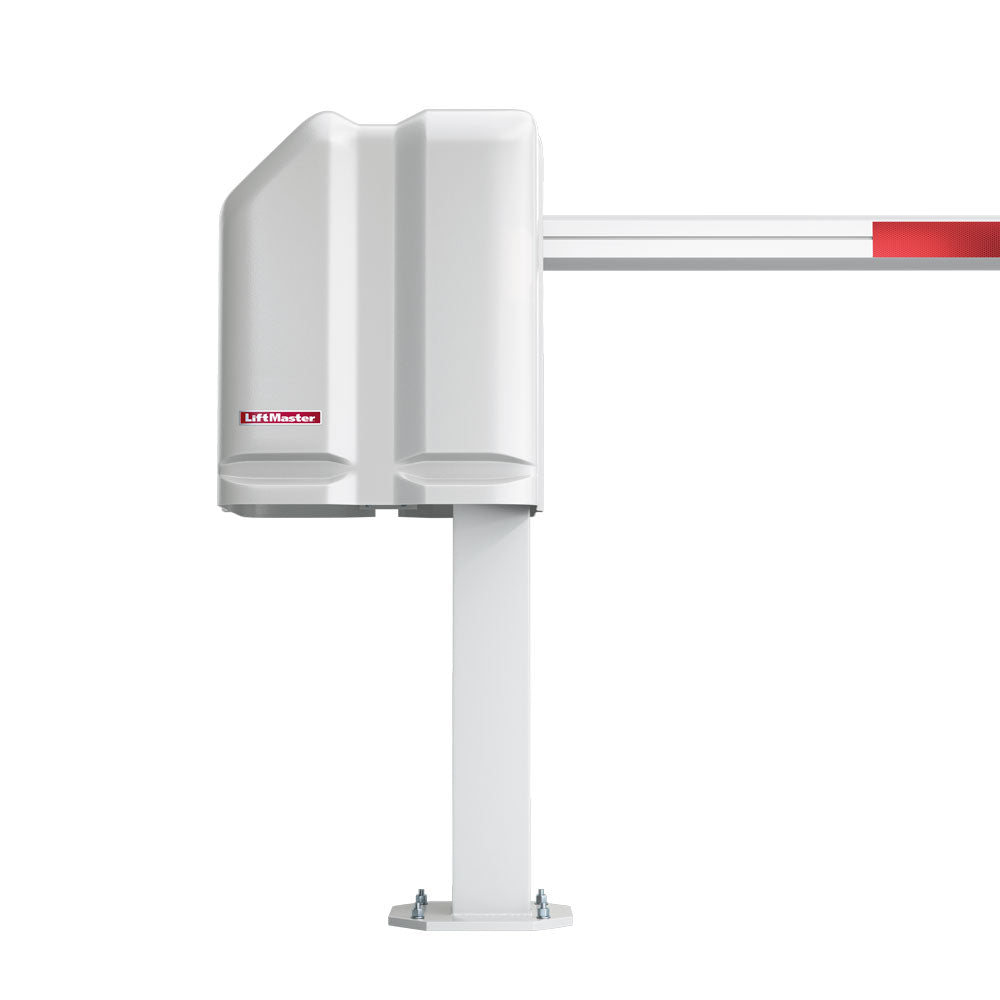
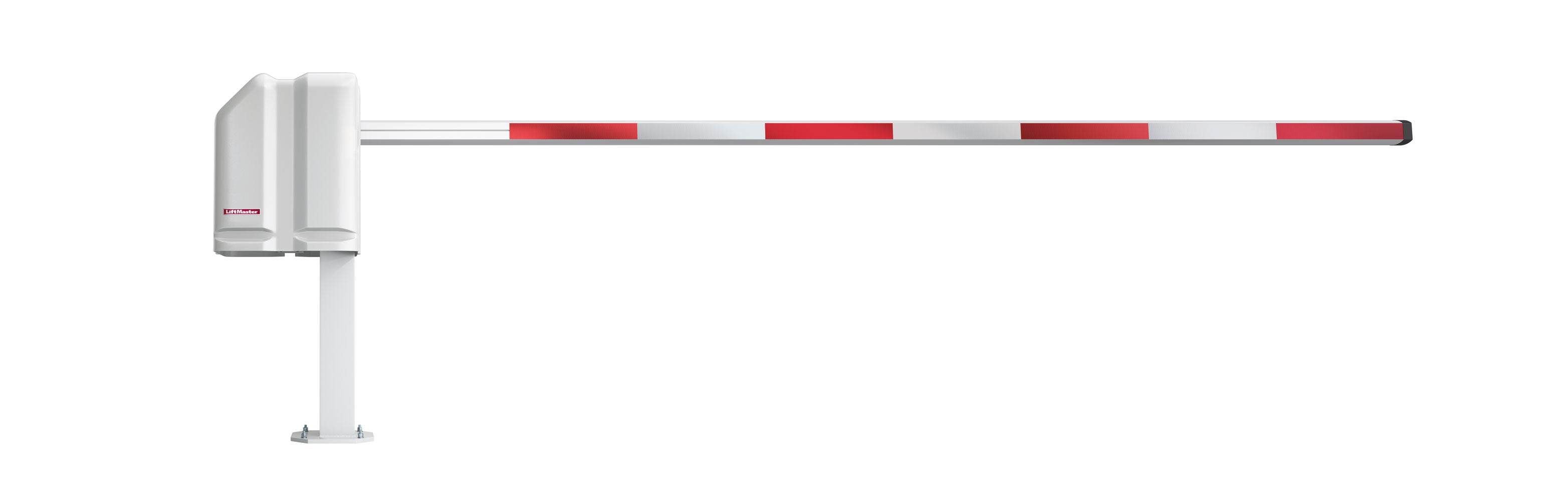
Facilities offering vehicle, RV, or boat storage need additional security solutions beyond standard unit access. Parking systems control which vehicles enter and where they park, adding another level of protection to outdoor storage areas. See our parking systems for storage facilities for compatible options.
Integrating Your Storage Security Solutions
The most effective storage security solutions work together as a single system. When your access control, video surveillance, alarm system, and gate operators are integrated, you get faster response times and easier day-to-day management.
A well-integrated system allows you to:
• Trigger camera recording when a door alarm activates
• Lock out access automatically after multiple failed PIN attempts
• View live footage and access logs from a single dashboard
• Send automated alerts to your phone for any security event
How to Choose the Right Self Storage Security System
Not all facilities have the same needs. The right system depends on your facility size, budget, and the level of protection your customers expect.
Consider these factors when evaluating storage security solutions:
• Facility size and number of access points
• Number of individual units and their value
• Whether you offer climate-controlled, outdoor, or vehicle storage
• Staffing levels and hours of operation
• Budget for upfront installation and ongoing maintenance
• Scalability as your facility grows
Site Security Best Practices for Facility Owners
Installing systems is only part of the equation. Strong site security also depends on consistent management and maintenance.
• Regular audits: Review access logs and camera footage weekly to catch unusual patterns early.
• System testing: Test alarms, sensors, and cameras monthly to confirm everything works.
• Staff training: Ensure your team knows how to respond to security events quickly.
• Customer communication: Inform tenants of your security features, it builds trust and reduces false alarms.
• Software updates: Keep access control and camera firmware current to close cybersecurity gaps.
Common Security Challenges for Storage Facilities
Facility owners often face these recurring security challenges:
• After-hours break-ins when the facility is unstaffed
• Tailgating through gates behind authorized vehicles
• Blind spots in camera coverage along long hallways or outdoor rows
• Outdated systems that cannot integrate with modern software
• Balancing security with convenient access for legitimate customers
Addressing these issues early, through layered security systems and proactive monitoring, reduces your risk significantly.

Key Takeaways for Facility Owners
Building a secure storage facility takes more than a lock on each door. A well-designed self storage security system combines access control, video surveillance, motion sensors, and perimeter security into a single, integrated approach.
With the right storage security solutions in place, you can:
• Protect your customers' stored property
• Reduce theft, vandalism, and liability
• Attract more renters with visible, reliable security
• Scale your system as your facility grows
FAQ
What is a self storage security system?
It is a combination of access control, video surveillance, alarms, and perimeter security designed to protect a storage facility and its tenants' belongings.
What access control measures work best for storage facilities?
Keypads, key fobs, and mobile app entry with individual unit codes are the most effective. They create audit logs and allow you to revoke access instantly.
How many surveillance cameras does a storage facility need?
Coverage depends on facility size, but at minimum you should cover all entry and exit points, main driveways, hallways, and loading areas.
Do I need an alarm system if I already have cameras?
Yes. Cameras record and deter, but an alarm system actively alerts you to incidents in real time, enabling a faster response.
How do I improve perimeter security at my facility?
Install quality fencing, improve outdoor lighting, add gate operators with controlled entry, and consider motion-activated sensors along your boundary.
Can storage security solutions be integrated with management software?
Yes. Most modern systems can connect with facility management platforms, allowing you to manage access, view cameras, and receive alerts from one place.