Skip to content

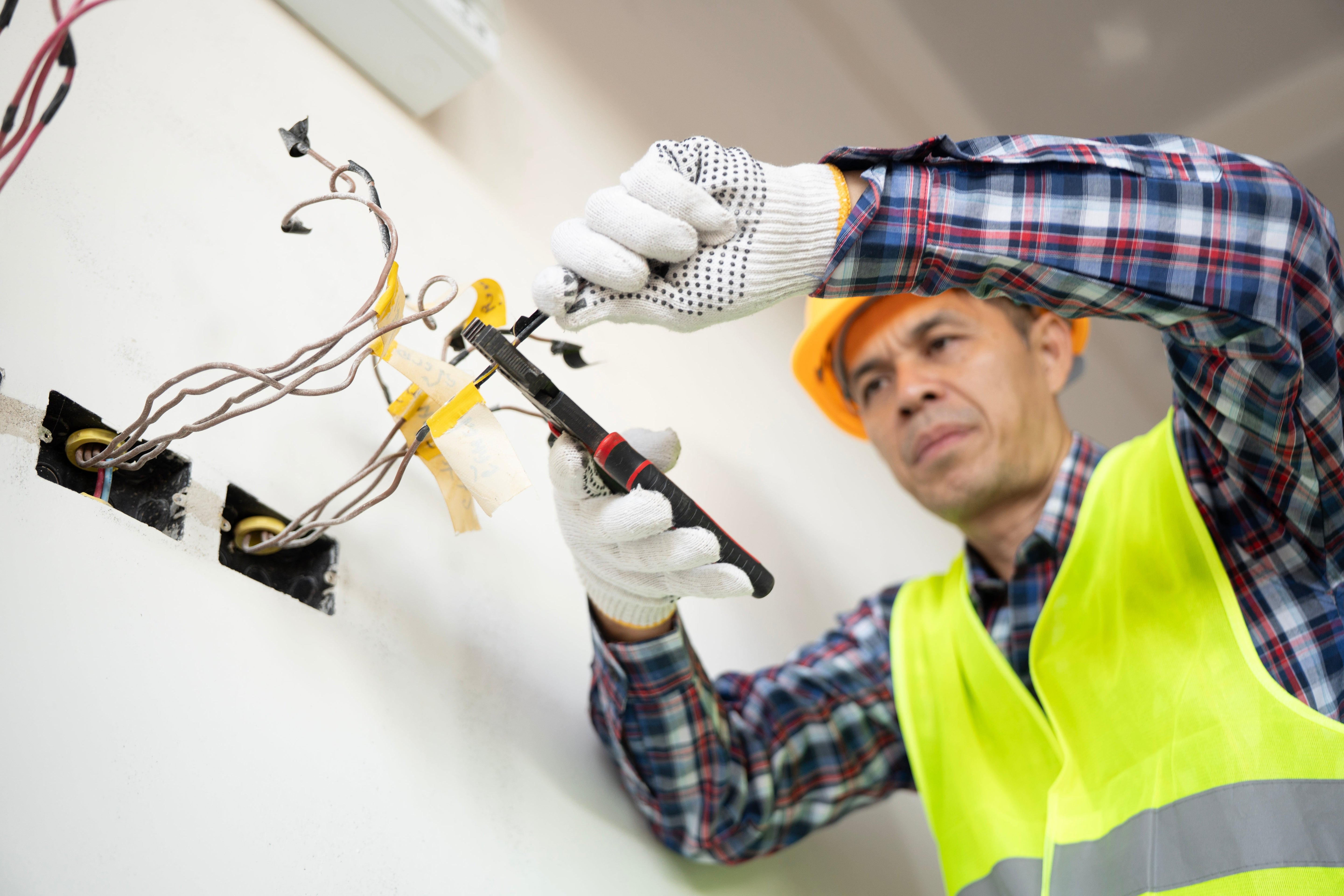
A structured cabling solution is no longer limited to commercial buildings or data centers. Modern homes rely on high-speed internet, wireless networks, smart devices, and security systems, all of which depend on a reliable cabling foundation. Residential structured cabling simplifies how these systems connect, perform, and scale over time.
This guide explains what a residential structured cabling solution is, how it works in homes, and why it creates a more stable, future-ready setup for data, wireless access, and home security.
What Is a Residential Structured Cabling Solution?
A residential structured cabling solution uses a planned and organized approach to low-voltage wiring throughout the home. Instead of running separate cables for each device, all wiring routes back to a central location, often called a media panel or structured wiring enclosure.
A home structured cabling system can support:
-
Internet and home network connections
-
Wireless access points
-
Smart TVs and streaming devices
-
Security cameras and alarm systems
-
Access control and door systems
This approach creates a clean, easy-to-manage network infrastructure that improves performance and simplifies future changes.
Why Homes Benefit from Structured Cabling
As homes add more connected devices, relying only on Wi-Fi can lead to slow speeds, weak signals, and dropped connections. Walls, distance, and interference often limit wireless performance.
A residential structured cabling solution helps by:
-
Supporting high-speed wired connections
-
Improving wireless network coverage
-
Reducing visible cable clutter
-
Making troubleshooting easier
-
Preparing the home for future upgrades
Instead of reacting to network problems, homeowners gain a stable foundation that supports both wired and wireless systems.
Structured Cabling System vs Traditional Home Wiring
Traditional home wiring often follows a point-to-point method. Each new device may require a separate cable run, which can become disorganized and difficult to expand.
A structured cabling system uses:
-
Centralized cable routing
-
Standard cable types
-
Clear labeling and organization
This design makes it easier to replace existing cable, add new devices, or upgrade equipment without opening walls again.
Cable Types Used in Residential Structured Cabling
Choosing the right cable type is key to building a reliable home setup.
Copper Cable for Home Networks
Copper cable, such as Ethernet cabling, is widely used for:
-
Internet connections
-
Wireless access points
-
Smart TVs and media devices
-
Security cameras
Copper cable provides high speed and dependable performance for short to medium distances inside homes.
Fiber Optic Cabling for Future-Ready Homes
Fiber optics are becoming more common in residential installations, especially in larger or newly built homes.
Fiber optic cabling supports:
-
Higher data speeds
-
Longer cable runs
-
Future proof network upgrades
Many residential structured cabling solutions use fiber optics as a backbone and copper cable for individual rooms.
Supporting Wireless Networks with Structured Cabling
A structured cabling solution improves wireless performance by supporting properly placed access points throughout the home.
Instead of relying on a single router, cabling allows:
-
Multiple wireless access points
-
Better coverage across floors
-
Faster and more stable connections
This setup is especially helpful in larger homes or properties with thick walls that weaken wireless signals.

Home Security and Structured Cabling
Security systems perform best when they use hardwired connections. Wireless-only devices may experience interference, battery issues, or signal loss.
A residential structured cabling solution supports:
-
Alarm panels
-
Video doorbells and intercoms
Hardwired connections provide consistent performance and are especially important for security cameras that run continuously.
Planning for Future Upgrades
One of the biggest advantages of a residential structured cabling solution is flexibility over time.
Homes evolve as technology changes. Faster internet speeds, additional devices, and expanded security systems are common future upgrades.
Structured cabling supports:
-
Easy expansion
-
Technology upgrades without rewiring
-
Better compatibility with new systems
This makes the home future ready and avoids costly changes later.
Structured Cabling for New Homes vs Existing Homes
New Construction
Installing a structured cabling solution during construction is the easiest option. Cables are installed before walls are finished, allowing clean routing and full access.
Existing Homes
Structured cabling can also be added to existing homes. Installers may use existing cable paths or add new runs where possible. Even partial upgrades can improve network and security performance.
In both cases, thoughtful cabling design is critical for long-term success.
How Residential Structured Cabling Connects to Larger Systems
Residential structured cabling follows the same principles used in commercial buildings and data center environments, scaled for home use. This includes organized cabling infrastructure, standardized cable types, and centralized management.
For a broader overview of structured cabling design and selection, see
Structured Cabling Solutions: What They Are & How to Choose the Right One
To better understand how different cables fit into these systems, read
Cable Products Explained: Choosing the Right Cables for Data, Telecom & Security
These resources provide additional context on cabling solutions used across residential and commercial settings.
Key Benefits of a Residential Structured Cabling Solution
A well-designed structured cabling solution offers:
-
Faster and more reliable internet
-
Stronger wireless network coverage
-
Better support for security cameras and access control
-
Easier maintenance and troubleshooting
-
Long-term value through future upgrades
Instead of patching issues as they arise, homeowners gain a stable and scalable system.
Choosing the Right Structured Cabling Solution for Your Home
When planning a residential structured cabling solution, consider:
-
Home size and layout
-
Number of connected devices
-
Security and access control needs
-
Wireless coverage requirements
-
Plans for future upgrades
A well-planned cabling design ensures the infrastructure supports both current and future technology needs.
Making Residential Networks Simple and Future-Ready
A structured cabling solution simplifies how homes manage data, wireless networks, and security systems. By using organized cabling infrastructure, homeowners benefit from better performance, cleaner installations, and easier upgrades over time.
Whether for new construction or an existing home, residential structured cabling provides a reliable foundation that supports modern living and future technology without constant rewiring or temporary fixes.