Skip to content

When it comes to protecting a parking area, controlling traffic, and improving safety, two common solutions stand out: parking bollards and barriers.
Both are used in parking systems, but they serve different purposes. Choosing the right option depends on how you want to manage vehicle access, improve high visibility, and protect people and property.
Understanding the difference between bollards and barriers can help you build a safer and more efficient system for your facility.
What Are Parking Bollards?
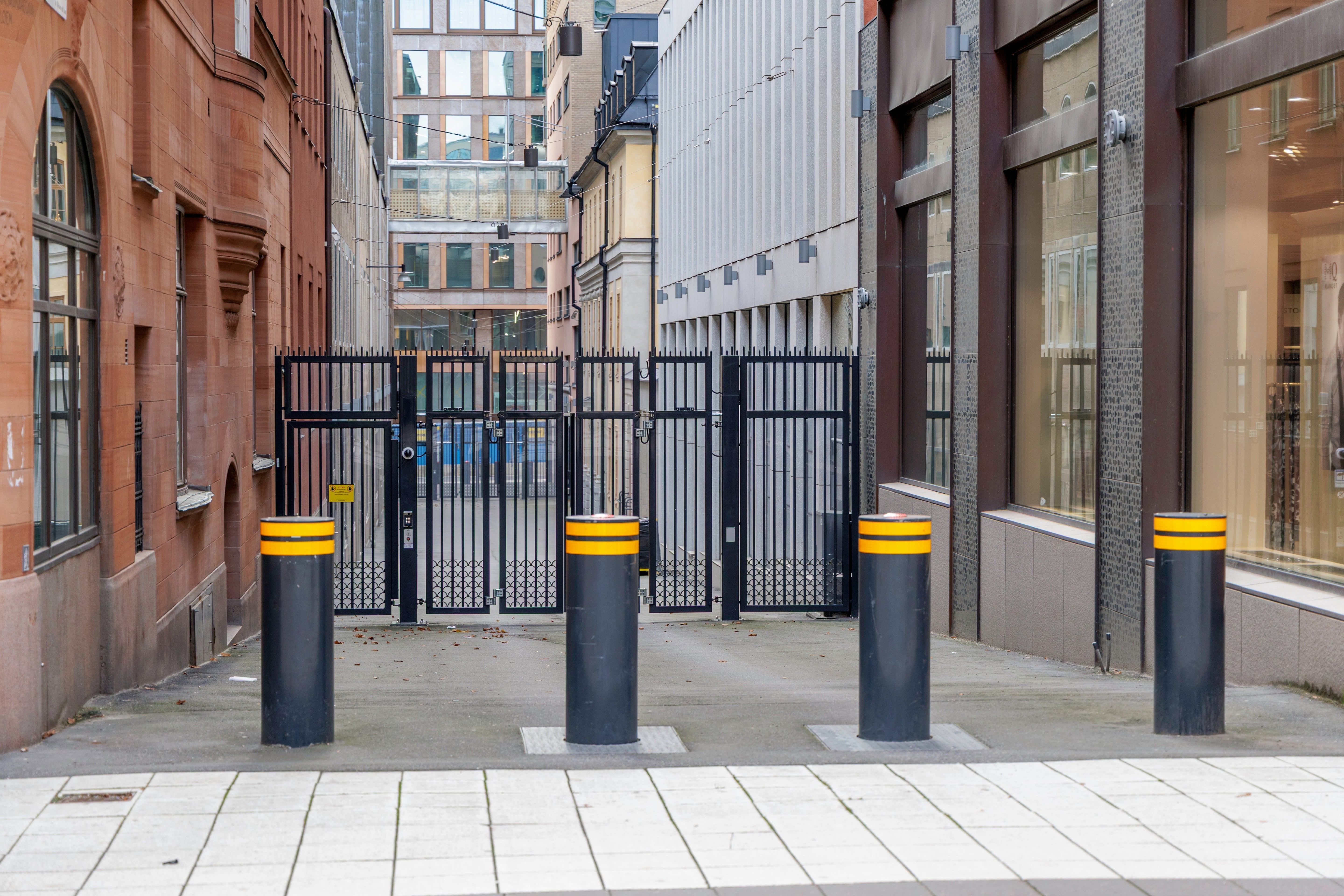
Parking bollards are vertical posts installed in the ground to block or guide vehicle movement. They are commonly used in commercial, industrial, and public spaces to protect buildings, pedestrians, and equipment.
You can find a wide range of parking bollards designed for different applications and environments.
Bollards are typically made from durable materials like steel pipe, concrete, or heavy-duty plastic. Their main goal is to create a physical barrier that prevents vehicles from entering restricted areas.
Types of Parking Bollards
There are several types of bollards, each designed for specific use cases.
Fixed Bollards
These are permanently installed and provide strong protection. They are often used in front of buildings, storefronts, and loading areas.
Removable Bollards
Removable bollards can be taken out when access is needed. They are ideal for areas that require occasional vehicle entry.
Retractable Bollards
These bollards can be lowered into the ground when access is allowed. They are commonly used in controlled entry points.
Flexible Bollards
Flexible bollards are designed to bend on impact. They are used more for guiding traffic than stopping vehicles.
What Are Barriers?
Barriers are systems designed to actively control vehicle access. Unlike bollards, which are static, barriers move to allow or restrict entry.
Barrier systems are often used in parking facilities, gated areas, and controlled entry points.
You can explore different barrier solutions within modern parking systems () that combine automation and access control.
Types of Barriers
Barrier Gates
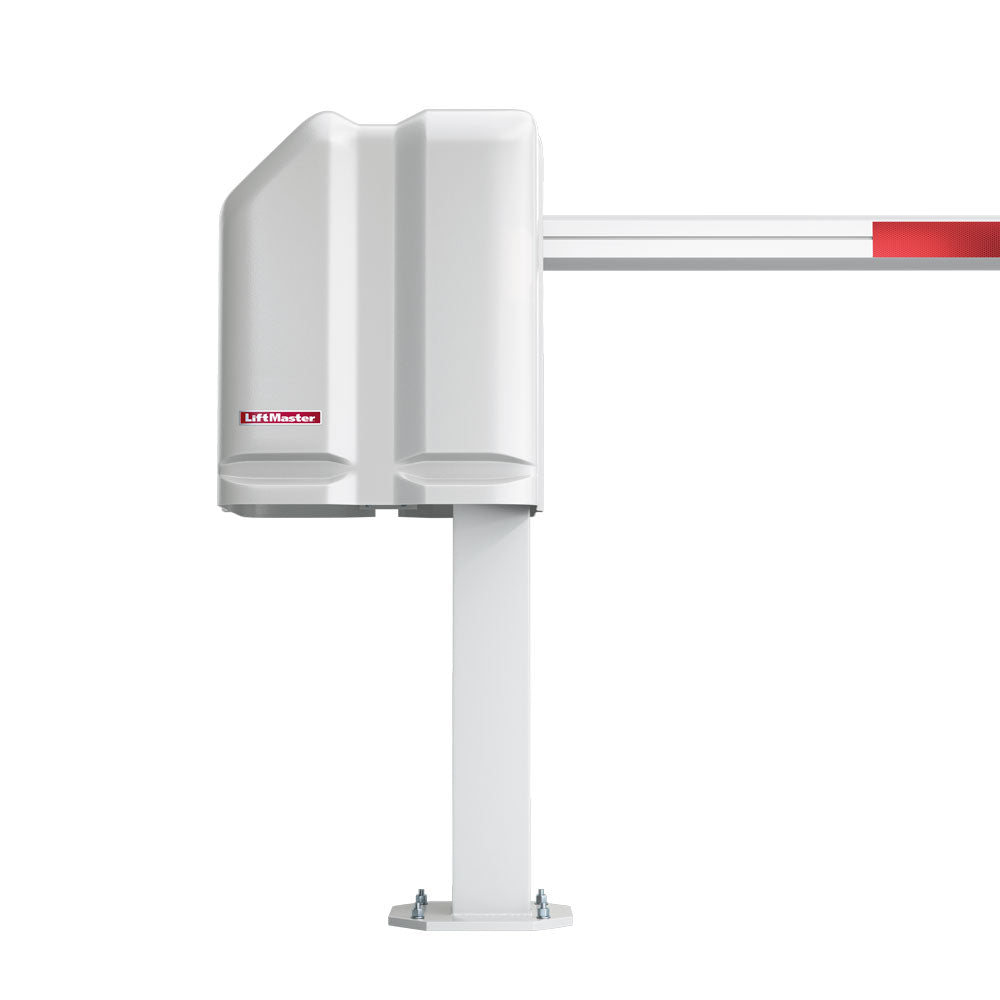
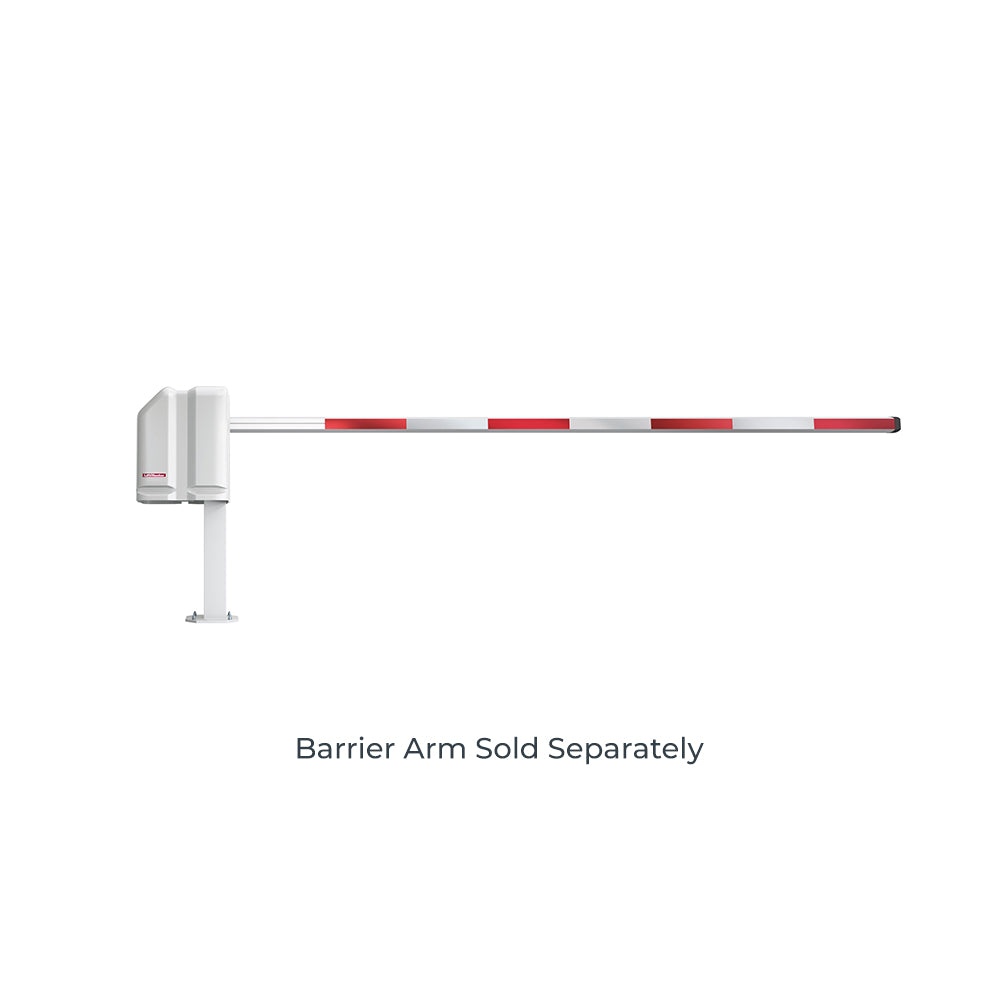
Barrier gates use a horizontal barrier arm that raises and lowers to control vehicle access. These are commonly seen in parking lots and garages.
Solutions like parking barrier gates are designed for high-traffic environments and frequent opening and closing cycles.
Arm Gates
Arm gates are similar to barrier gates and are used for controlling vehicle access in commercial and residential properties.
Automatic Gate Systems
These systems use motors and controls to manage entry and exit. They can be integrated with card readers, ticketing systems, or license plate recognition.
Key Differences Between Bollards and Barriers
1. Function
-
Parking bollards are passive. They block or guide vehicles.
-
Barriers are active systems that control entering and exiting vehicles.
2. Flexibility
-
Bollards are usually fixed or manually adjusted.
-
Barriers are automated and allow controlled access.
3. Security Level
-
Bollards provide strong physical protection, especially when made from steel pipe.
-
Barriers focus more on access control and managing traffic flow.
4. Use Cases
-
Bollards are used to protect buildings, sidewalks, and equipment.
-
Barriers are used in parking garage entrances, gated lots, and controlled areas.
5. Visibility
Both options can offer high visibility, especially when painted or fitted with reflective materials. However, bollards are often used to clearly mark boundaries in a parking area.
When to Use Parking Bollards
Parking bollards are the best choice when your goal is to:
-
Protect buildings and storefronts
-
Prevent vehicles from entering restricted zones
-
Improve pedestrian safety
-
Create clear boundaries in a parking area
They are especially useful in areas where vehicles should never enter, such as walkways or loading dock edges.
When to Use Barriers
Barriers are ideal when you need to actively control access.
Use barriers when you want to:
-
Control entering and exiting vehicles
-
Restrict access to authorized users
-
Manage commercial parking areas
-
Improve parking access control
Barrier systems are commonly used in paid parking lots, office buildings, and gated communities.
Combining Bollards and Barriers for Better Security
In many cases, the best solution is to use both.
For example:
-
Use parking bollards to protect sidewalks and building entrances
-
Use barrier gates to control vehicle entry points
This combination improves both physical protection and access control, creating a more complete and safe and secured environment.
How Bollards and Barriers Fit into Parking Systems
Modern parking systems integrate multiple components to improve efficiency and security.
These systems may include:
-
Parking bollards for physical protection
-
Barrier gates for access control
-
Card readers for user authentication
-
Cameras for monitoring activity
Together, these elements help with:
-
Managing traffic flow
-
Improving safety
-
Reducing unauthorized access
-
Creating a more organized parking facility
Cost-Effective Security Solutions
Both bollards and barriers can be a cost effective way to improve security, depending on your needs.
-
Bollards have lower upfront costs and require little maintenance
-
Barriers may cost more but offer automation and control
Choosing the right solution depends on your budget and how much control you need over vehicle access.
Best Practices for Choosing Between Bollards and Barriers
When deciding which option is right for your property, consider:
-
The level of security required
-
Traffic volume in your parking area
-
Whether you need controlled access or full restriction
-
The layout of your space
-
Long-term maintenance and costs
A well-planned setup ensures your system is both effective and efficient.
Choosing the Right Solution for Your Parking Area
Both parking bollards and barriers play an important role in modern parking security.
Bollards provide strong physical protection and help define boundaries. Barriers offer controlled access and improve traffic management.
By understanding their differences, you can choose the right solution—or combination of solutions—for your property.
Whether you are managing a small lot or a large commercial parking facility, the right setup will help you create a safer, more organized, and safe and secured environment.