Skip to content

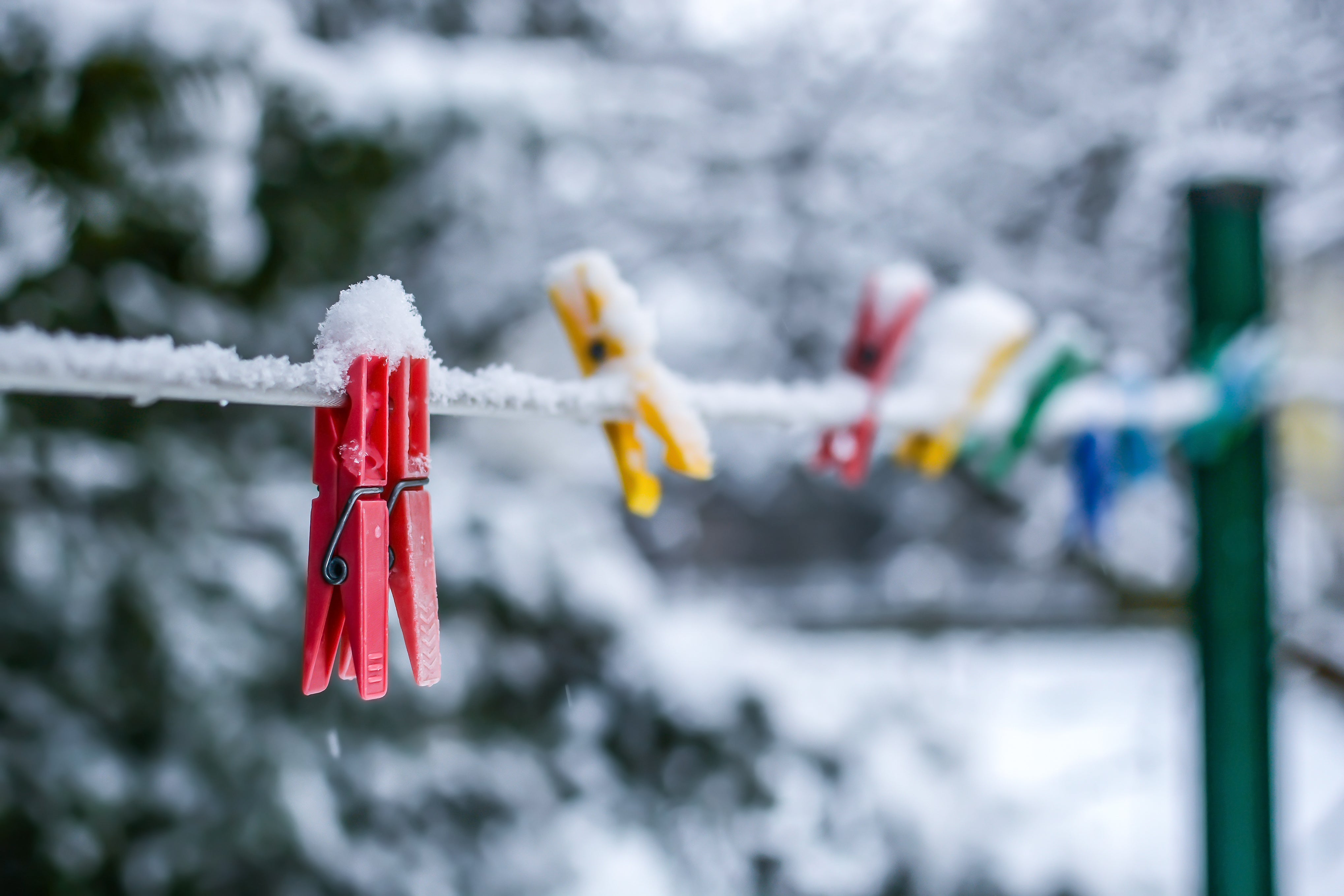
Cold temperatures can affect your focus, mobility, and safety—especially when your work keeps you outdoors or moving between different environments throughout the day. The right clothing system helps you stay warm without adding bulk or reducing range of motion. A strong layering approach uses simple, lightweight pieces that work together to trap heat, manage moisture, and protect you from wind and rain. Many professionals rely on navy blue cargo pants as their everyday uniform base, and when paired with the right layers, they become part of a dependable all-weather setup.
This guide explains how to build a cold-weather layering system that works for security professionals, contractors, installers, facility maintenance teams, and anyone who performs physically demanding tasks in winter conditions.
Why Layering Matters During Cold Weather Work
Layering isn’t about wearing more clothes; it’s about choosing structured layers that perform specific tasks. Winter work involves challenges such as:
-
Moving from warm to cold spaces
-
Exposure to wind chill
-
Standing or walking outdoors for long periods
-
Climbing, kneeling, and lifting
-
Staying visible in low-light conditions
-
Maintaining comfort even while sweating
A proper layering system helps you stay protected by:
-
Managing sweat to prevent chills
-
Trapping heat efficiently
-
Blocking wind and moisture
-
Allowing full movement
-
Preventing overheating indoors
This balance of warmth and mobility is essential for productivity and safety.
1. Base Layer: The Layer That Keeps You Dry
Your base layer controls moisture. When you work hard, you sweat—even in freezing temperatures. If that sweat stays on your skin, it cools quickly and can make you feel colder than the air around you.
Good base layer fabrics include:
-
Merino wool
-
Synthetic thermals
-
Polyester compression fabrics
-
Blends designed for moisture control
Look for base layers that are:
-
Moisture-wicking
-
Breathable
-
Stretchy
-
Snug, but not restrictive
A good base layer creates a warm, dry foundation that keeps the rest of your clothing system working effectively.

2. Mid Layer: Your Main Source of Heat
The mid layer provides insulation. It should hold warmth close to your body while remaining flexible enough for active work.
Good mid-layer options include:
-
Fleece jackets
-
Quilted polyester layers
-
Softshell pullovers
-
Insulated vests
A woobie jacket is a strong mid-layer choice. It’s lightweight, breathable, and warm without feeling bulky. This makes it ideal for technicians, security officers, and people who need consistent mobility.
Mid-layer selection tips:
-
Choose items that are warm but not thick
-
Look for materials that stay soft and flexible even in low temperatures
-
Choose zippered options for better temperature control
3. Outer Layer: Your Shield From Wind, Rain, and Snow
Your outer layer keeps the elements out. It protects your entire system from cold air, moisture, and harsh conditions.
Effective outer layers should have:
-
Windproof material
-
Water-resistant or waterproof shells
-
Reinforced stitching
-
Breathability to prevent internal moisture
-
Durable fabric that handles abrasion
A red jacket can also serve as high-visibility gear, especially during early mornings, late nights, or roadside work. Improved visibility helps keep workers safe in snowy or dim conditions.
Check out our durable outerwear options.
4. Choosing the Right Pants for Winter Work
Legs lose heat faster than many people expect. Cold air, wind, or contact with cold surfaces can make your legs uncomfortable quickly. This is why the right winter-friendly pants matter.
Winter-ready pants should offer:
-
Lining for warmth
-
Water resistance
-
Flexible fabric for climbing or kneeling
-
Reinforced knees
-
Enough room for thermal leggings underneath
Worker roles may also require specific pant colors:
-
orange cargo pants help improve visibility on job sites
-
brown cargo pants blend better in outdoor, dusty, or industrial environments
For reliable, durable pants designed for work, visit the collection.

5. How to Build a Layering System For Different Job Types
Every job has unique demands. Here’s how different professionals can layer effectively.
Security Officers
Security personnel often stand or walk outdoors for long shifts. Temperature changes can be frequent, especially when moving between indoor facilities and outdoor areas.
Recommended layers:
-
Moisture-control base layer
-
Softshell or fleece mid layer
-
Windproof outer jacket
-
Cargo pants with pockets for radios and tools
-
Warm gloves and a thermal beanie
This approach keeps officers warm while still allowing quick movement.
Construction Workers
Construction workers deal with cold surfaces, open air, and wind exposure. They also need strong visibility.
Recommended layers:
-
Thermal base layer
-
Insulated mid layer
-
High-visibility, weather-resistant outerwear
-
Rugged cargo pants that resist abrasion
-
Gloves that maintain grip and warmth
This combination protects the worker while meeting site safety standards.
Maintenance & Facility Teams
Maintenance tasks require bending, climbing, and squeezing into tight spaces. Their clothing must stay flexible.
Recommended layers:
-
Breathable base layer
-
Light, warm mid layer
-
Easily removable outerwear for moving between indoor and outdoor spaces
-
Stretchable cargo pants
These layers help workers stay comfortable without sacrificing mobility.
Outdoor Industrial Technicians
Technicians who work outside need stronger protection because temperatures stay low for long hours.
Recommended layers:
-
Heavy-duty thermal base layer
-
Thick fleece or padded mid layer
-
Waterproof outer layer
-
Reinforced, insulated cargo pants
This system ensures warmth even during long exposure to the elements.
6. Avoid These Common Winter Layering Mistakes
Even small mistakes can make you colder or restrict movement. Avoid:
-
Wearing cotton as your base layer
-
Using bulky clothing that limits your mobility
-
Ignoring ventilation
-
Using outerwear that isn’t windproof
-
Forgetting reflective or high-visibility gear
Winter workwear must balance warmth and efficiency.
7. Build Your Winter Workwear System With ASE
Choosing the right layers helps you stay warm, safe, and productive throughout the winter, and All Security Equipment offers everything you need to build a dependable cold-weather setup. Our selection of work pants at provides durable options that pair well with thermal base layers, while our clothing collection at includes flexible mid-layer pieces designed for insulation and movement. For protection against wind, rain, and freezing temperatures, our outerwear collection at features weather-resistant jackets made for demanding environments. With the right combination of layers, you can stay comfortable, mobile, and ready for any winter workday.