Skip to content

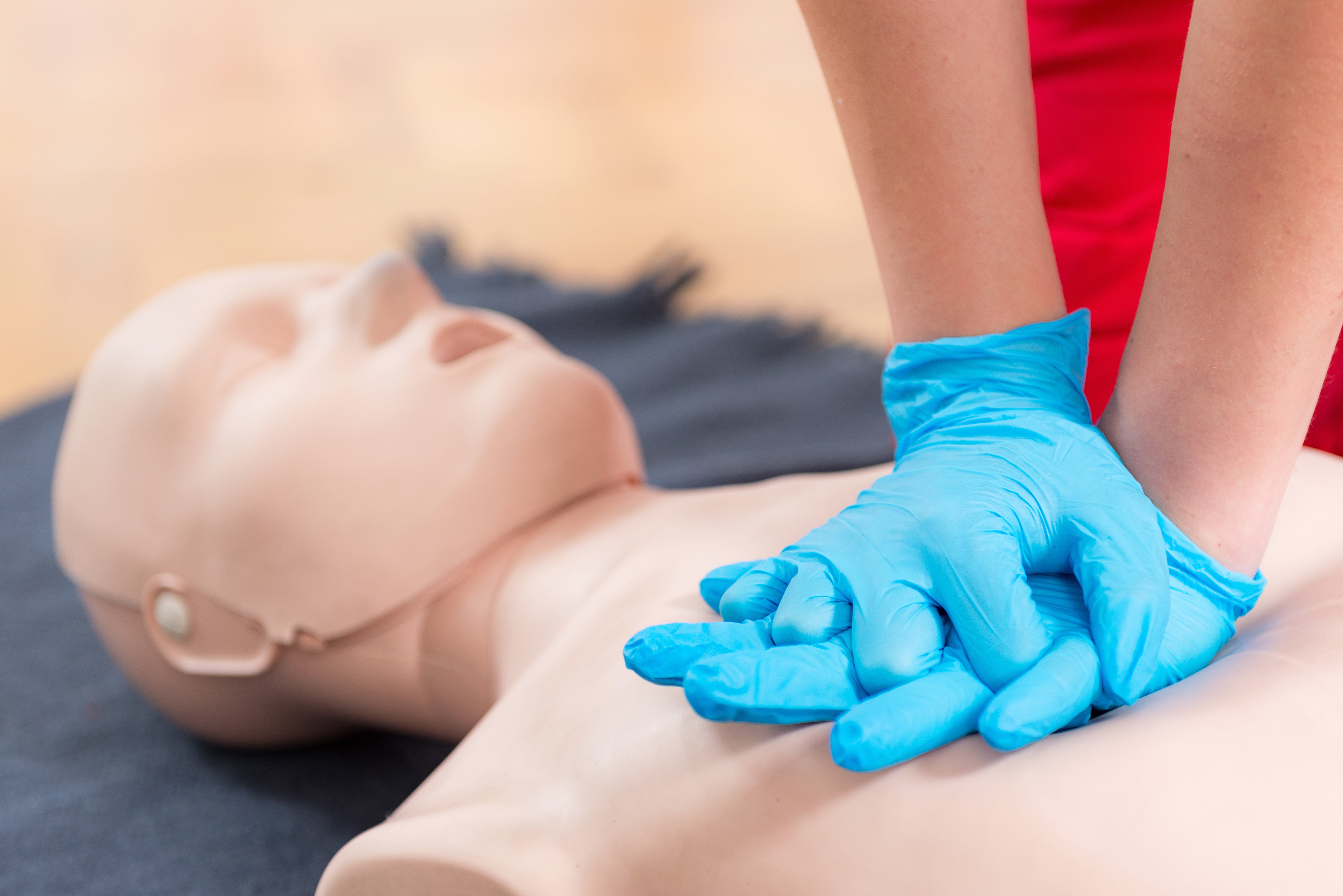
Choosing the right CPR training manikin is one of the most important steps in building an effective CPR training program. High-quality training manikins help participants practice real CPR skills, improve confidence, and respond more effectively during emergencies. Whether your organization teaches workplace safety, basic life support, medical certification, or community classes, selecting the right cpr dummy will directly impact learning outcomes.
This guide walks through the essential factors to consider, including durability, CPR feedback technology, replaceable components, hygiene, and budget. By the end, you’ll know exactly which type of manikin will best support your team’s training needs.
1. Start by Defining Your Training Program Needs
Before comparing models, identify the structure and goals of your CPR training:
● Who will you train?
Most workplaces need both adult child manikins. Healthcare, childcare, and school programs may also require infant units.
● What skills should trainees master?
If you are teaching basic compressions and rescue breaths, simple torsos may be enough. For more advanced training programs (BLS, AED integration, medical response), feedback-equipped manikins will deliver better results.
● How large are your training groups?
Larger organizations benefit from lightweight, durable units that are easy to move, stack, sanitize, and maintain.
2. Select Age-Appropriate CPR Training Manikins
Different age groups require different compression depths and breath volumes. Using age-specific models ensures trainees learn accurate, real-world technique.

Adult CPR Manikins
These are the standard for workplaces, OSHA programs, and BLS instruction. ASE recommendation: Prestan Professional Adult CPR Manikin

Child CPR Manikins
Required for schools, pediatric training, and general CPR certification. ASE recommendation: Prestan Professional Child CPR Manikin
Infant manikins can be added for organizations that teach pediatric emergencies, childcare safety, or clinical programs.
3. Check for Realistic Compression Feel and Chest Recoil
To master performing CPR, trainees must feel realistic resistance and rebound. A good manikin should provide:
-
Natural ribcage resistance
-
Accurate chest recoil
-
Audible clicking for correct depth
-
Strong stability during compressions
Manikins with LED indicators or cpr monitors provide even more precise coaching.
ASE’s best feedback-equipped models include:
4. Evaluate Hygiene and Replaceable Components
Because multiple trainees often share equipment, choose manikins designed for safe, fast cleanup.
Key features to look for:
-
Replaceable lung bags
-
Sanitizable face shields
-
Wipe-clean surfaces
-
Long-lasting airway systems
Training manikins used for large classes or rotating sessions must allow instructors to reset equipment quickly between learners.
5. Consider Durability for Long-Term Training
Durability matters for organizations that train frequently. Look for:
-
Reinforced chest plates
-
Tough skin materials
-
Reliable airways
-
Easily accessible replacement parts
Prestan manikins are widely known for durability, making them ideal for multi-class settings or certification centers.
6. Evaluate the Importance of CPR Feedback Technology
Today’s CPR training manikins offer several types of cpr feedback, including:
-
LED light indicators
-
Compression depth monitoring
-
Rate guidance systems
-
Audible clicking
-
Rescue breath performance indicators
Feedback systems dramatically improve training accuracy and confidence, especially for new learners.
Organizations offering certification, workplace compliance training, or large-scale instruction often benefit most from feedback-enabled options like the Prestan Adult CPR Manikin With Feedback Monitor.
7. Plan How Many Manikins You Need
Your class size determines your manikin count:
-
1 manikin per 2–3 students for workplace training
-
1 per student for certification or medical training
-
Bundles for large organizations or rotating sessions
ASE offers a variety of manikins and multi-packs through its CPR supplies collection.
Browse here: CPR training supplies at All Security Equipment.
8. Consider Portability and Storage
If your training moves between rooms or locations, look for manikins that are:
-
Lightweight
-
Stackable
-
Easy to transport
-
Quick to set up
Prestan units are known for portability without sacrificing realism.
9. Ensure Compatibility With Your Training Curriculum
Your manikins should support the methods required by:
-
AHA CPR guidelines
-
BLS training
-
AED demonstrations
-
Workplace safety certifications
Matching manikin capabilities to your curriculum ensures consistent instruction.
10. Understand the Differences Between CPR Dummy Types
Many people use these terms interchangeably, but they can indicate different uses:
● CPR Dummy
General term for training torsos used in adult or child CPR programs.
● CPR Dummies
Refers to sets or bundles used for classroom training.
● CPR Doll
Commonly used for smaller or infant manikins.
Using the right type ensures your training accurately matches real-life response situations.
11. Recommended CPR Training Manikins From ASE
To simplify your selection, here are top-performing models trusted by instructors:
These models balance realism, durability, portability, and advanced training features.
Choosing the Right CPR Training Manikin
Selecting the best CPR manikin is essential for providing effective, realistic, and scalable training. Whether your organization needs a simple cpr dummy, a set of cpr dummies for classroom instruction, or smaller units sometimes referred to as a cpr doll, choosing the right equipment ensures trainees gain meaningful hands-on experience.
With the right combination of feedback systems, replaceable components, and durable design, your CPR training program can prepare learners to respond confidently and correctly when every second counts.