Skip to content

A Holistic approach to Security
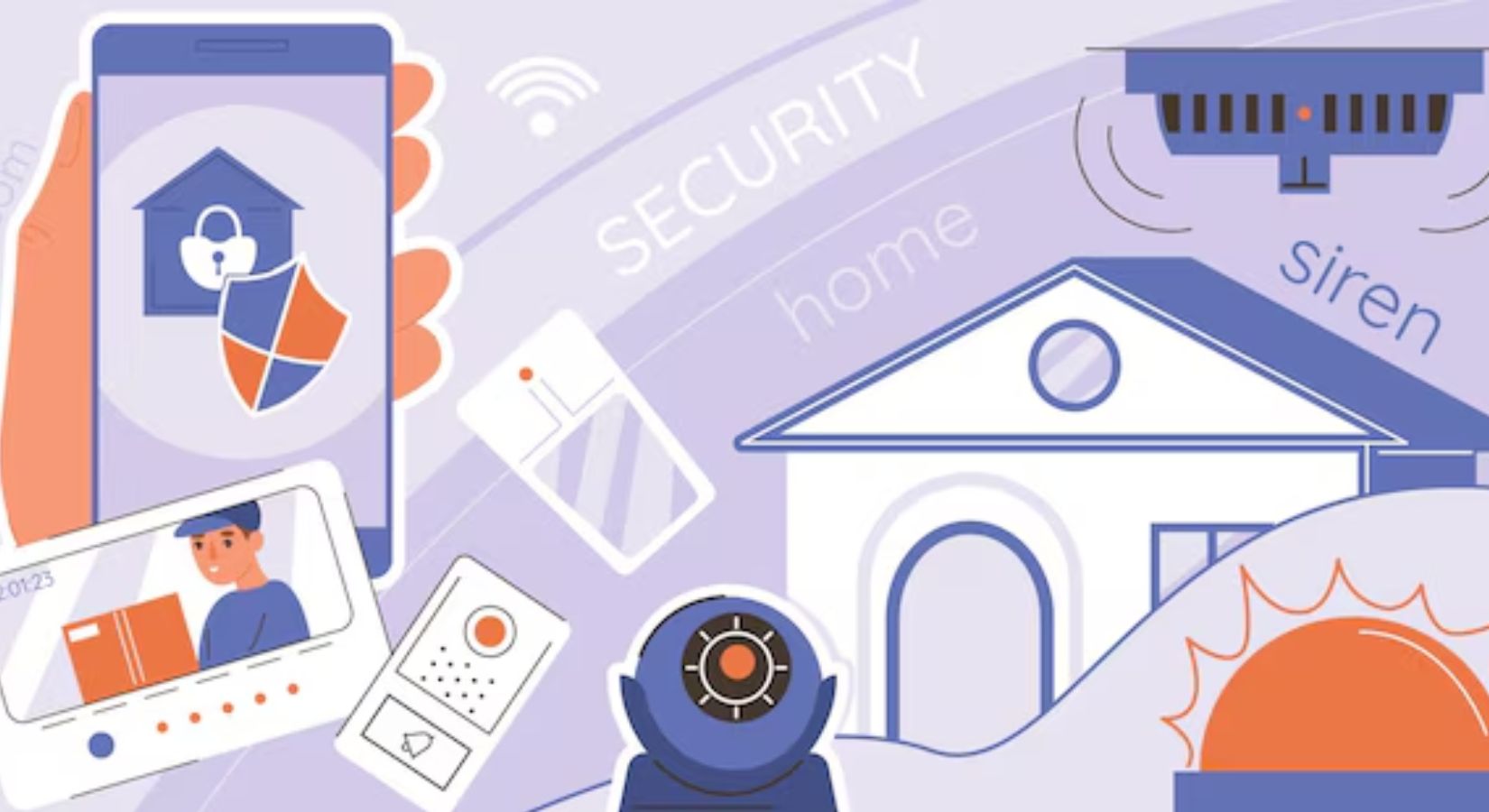
In the complex landscape of property protection, decision-makers—from homeowners to security experts for senior residences and gated communities—are often faced with a critical choice: the foundational architecture of their security infrastructure. One option is the traditional approach of using standalone security devices. These are individual, disparate systems—such as a gate access control system, a set of CCTV cameras, or a perimeter alarm—that operate entirely independently. Actions initiated on one device, such as opening a door via an electronic lock, have no automatic impact or correlation with any other system, creating silos of security data and management.
Conversely, the modern solution often involves deploying an integrated security system. This represents a sophisticated, unified framework where various security components—CCTV, access control, alarms, and communication systems—are networked to work in tandem. This seamless, synergistic relationship is typically managed through a centralized platform or software.

For example, a single unauthorized access attempt can instantly trigger an alarm, cue the nearest surveillance camera, and alert security personnel, thereby establishing a responsive, multi-layered defense that is greater than the sum of its parts.
The decision between these two models has significant ramifications for a property's operational efficiency, long-term costs, data integrity, and overall resilience against threats. In today’s All Security Equipment blog, we will provide a comprehensive breakdown of these two architectures, detailing the core features of each, and outlining five crucial advantages and disadvantages to help you make a fiscally sound and security-effective choice for your property's future.
Comparison: Integrated Systems vs. Standalone Devices
In comparing the two frameworks, the Integrated System operates with a centralized, unified software interface, offering time-synchronized and cross-referenced data stored centrally, and enabling an automated, multi-system response to a single event. It efficiently utilizes shared network infrastructure and hardware.
Conversely, the Standalone System requires separate management for each device, resulting in siloed data that demands independent investigation, relies on manual operator response, and requires dedicated, potentially costly, hardware and network infrastructure for each system.
Standalone System Pros and Cons

Standalone Device Advantages
-
Isolated Resilience: A failure in one component (e.g., a camera system) will not impact the operation of other critical systems.
-
Reduced Cyber Risk: Disconnected devices have a lower exposure to the internet, resulting in a lower risk of remote, third-party breaches.
-
Vendor Flexibility: Managers can select the best product for each specific need without worrying about cross-system software compatibility.
-
Ease of Independent Upgrades: Each system can be upgraded or replaced without affecting the functionality of any other device.
Standalone Device Disadvantages
-
Labor-Intensive: Administrators must activate, deactivate, and monitor each system separately, which is time-consuming and prone to human error.
-
Slow Investigations: Security events require manual data correlation and timeline synchronization across multiple siloed systems, significantly delaying resolution.
-
High Hardware Footprint: Each system requires dedicated infrastructure, servers, and consoles, resulting in a greater overall network complexity and footprint.
-
Inefficient Response: Operators must manually switch between systems to confirm events and initiate responses, drastically slowing incident response time.
-
Limited Functionality: Systems lack support for advanced features like automated responses and real-time correlation, ultimately offering a less comprehensive security posture.
Integrated System Pros and Cons

Integrated System Advantages
-
Holistic Awareness: Provides a single, comprehensive view of all events, correlating video, access, and alarms for immediate, informed action.
-
Operational Efficiency: Central platform manages credentials and updates simultaneously, reducing labor and human error.
-
Rapid Evidence Gathering: Events are time-synchronized and chronologically categorized, making post-incident investigations faster, more precise, and legally sound.
-
Optimized Infrastructure: Consolidates systems onto shared networking and hardware, reducing long-term maintenance and capital expenditure.
-
Automated Response: System can be programmed with automated business rules to ensure rapid and consistent security reactions without immediate human input.

Integrated System Disadvantages
-
Single Point of Vulnerability: A successful cyberattack or system failure on the core platform can potentially compromise the entire security architecture.
-
Integration Complexity: Combining systems can be complex; version upgrades and bug fixes to one component may impact the functionality of others.
-
Network Dependence: Reliability hinges on strong network integrity; poor network design leads to system slowdowns and delayed alerts.
-
Redundancy Gaps: Poor implementation focused only on hardware reduction can inadvertently create security gaps where one system's failure affects the function of others.
Recommended Security Equipment Options
For properties and managers looking to build a modern, high-functioning system, considering products designed for integration is essential. The following examples demonstrate equipment that enhances the functionality of a unified security environment:
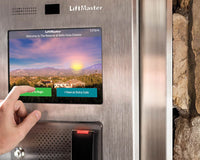
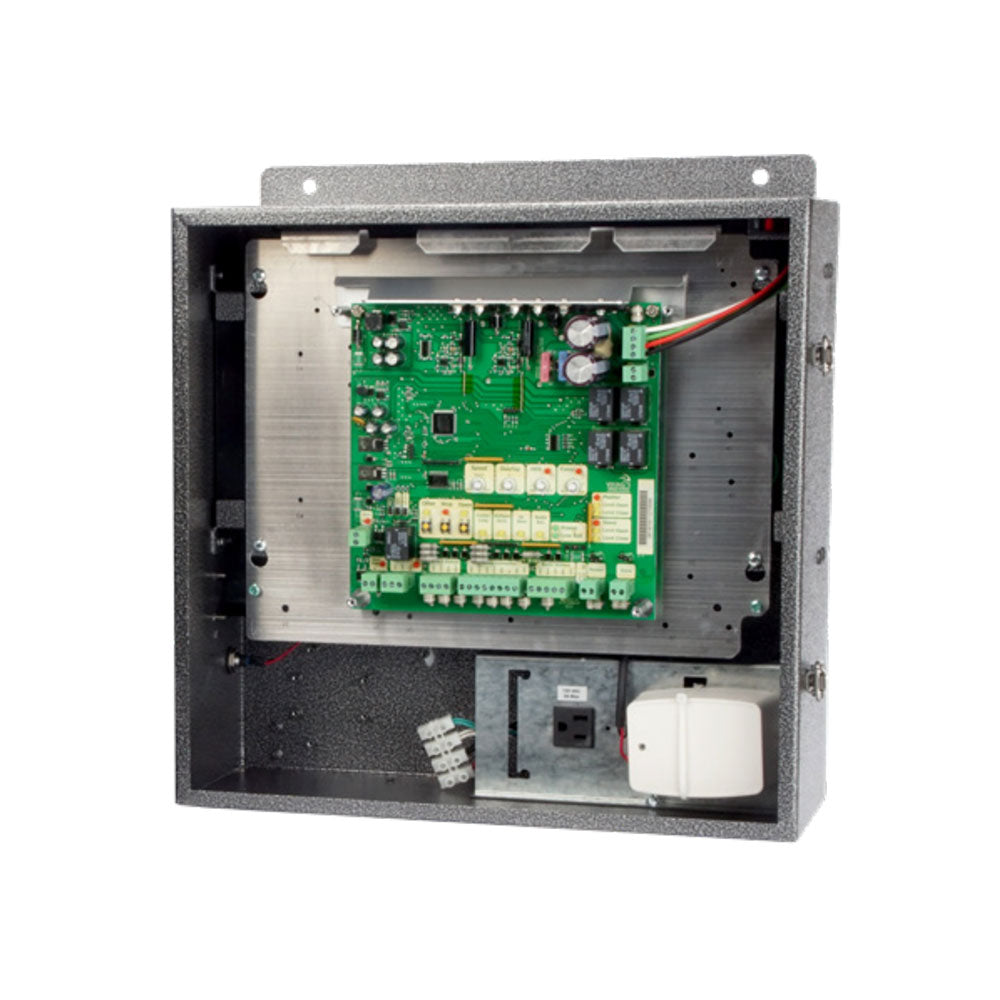
LiftMaster CAP4AP Smart Access Controller
The new LiftMaster® Smart Access Controllers provide properties of all types with a centralized, cloud-based platform for secure, intelligent access control. Designed for outdoor and compact installations, the CAP4AP is ideal for gates, amenities areas, or package rooms.

Key Features:
- Plug-and-play Wi-Fi and PoE support with an outdoor-rated enclosure for flexible, minimal-wiring placement.
- Cloud-based diagnostics & remote monitoring integrated with myQ for management and troubleshooting from anywhere.
DNAKE H616W Wireless Smart WiFi Indoor Monitor
The DNAKE H616W is a premium wireless indoor monitor designed for modern smart living and professional access control systems. With its 8-inch capacitive touch screen and WiFi connectivity, it provides effortless two-way communication and remote door control, serving as a central hub in locations like master bedrooms or lobby areas.

Key Features:
- Expansive 8-inch Touch Screen with IP Camera Monitoring, providing a central location for security feeds and control.
- Seamless integration with the DNAKE Smart Pro App to receive calls, unlock the door, and view logs from virtually anywhere (includes 5 Cloud App Licenses).
Beyond Standalone
For homeowners, property managers, and security professionals overseeing large, complex properties like gated communities or senior residences, the choice is clear: Integrated Security Systems offer a superior, future-proof, and ultimately more efficient security solution. While the initial cost of an integrated solution is higher, its benefits—centralized management, holistic awareness, streamlined operations, and rapid, automated incident response—drive significant long-term value, effectively mitigating the labor costs and security gaps inherent in managing multiple standalone devices.
However, the efficacy of any security infrastructure hinges on its design. Whether choosing a standalone device for a small area or a comprehensive integration, careful planning and professional implementation are non-negotiable.
To help you tailor and address all of your property's specific vulnerabilities and security objectives, contact the All Security Equipment customer service team today!