Skip to content

How Your Environment is Key to Your Security
The integrity of a physical security perimeter is the first line of defense for any property, acting as a critical barrier between your assets and external threats. Failing to conduct a thorough audit of these perimeters can lead to catastrophic breaches, such as an undetected intrusion through a malfunctioning gate or a blind spot in surveillance. When perimeter security is treated as a static "set it and forget it" system, the resulting vulnerabilities can lead to significant financial loss, property damage, and a complete breakdown of safety for those inside.

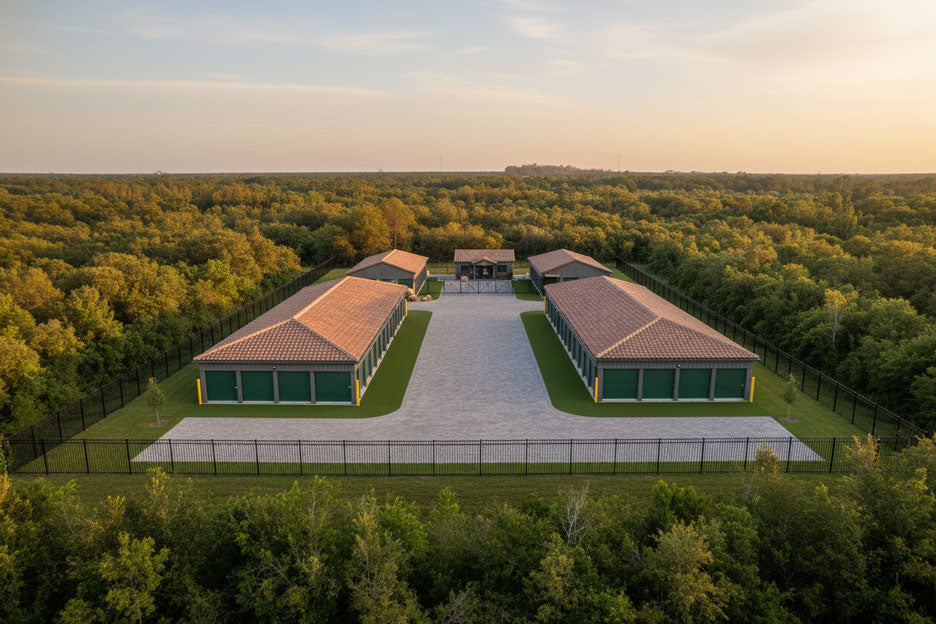
While many managers focus exclusively on mechanical aspects like lock strength or camera resolution, these perimeters are deeply influenced by the environments in which they exist. Environmental factors ranging from climate patterns to topography can drastically alter how security hardware performs and how easily an intruder might bypass safeguards. A setup that works in a dry, flat urban environment may fail entirely in a coastal area prone to fog or a rural setting with dense vegetation that provides natural concealment for bad actors.
Today’s All Security Equipment blog post is designed to shift your perspective on security from a technical checklist to a holistic environmental assessment. Our mission is to inform you about the critical environmental components that must be integrated into your next audit to prevent nature or geography from compromising your safety.
Understanding the Physical Security Audit

A physical security audit is a structured evaluation of an organization’s or home’s security systems, data protection policies, and operational safety procedures. Its primary purpose is to uncover vulnerabilities within the digital infrastructure, physical assets, and personnel protocols that threats could exploit. By conducting these audits regularly, owners can assess the real-world effectiveness of their measures, pinpointing specific gaps where equipment or human error might lead to a compromise in safety.

For businesses and homes alike, these audits provide a roadmap for risk mitigation, ensuring that every dollar spent on hardware provides the intended level of protection.Below are the principal steps and focus points that define a professional-grade security audit for any type of facility or residential property:
- Scope Definition: Establishing the specific boundaries and objectives of the audit.
- Perimeter Inspection: Evaluating fences, gates, and natural barriers for weaknesses.
- System Testing: Verifying the functionality of cameras, alarms, and motion sensors.
- Access Control Review: Checking the integrity of locks, keycards, and visitor logs.
- Procedural Audit: Reviewing emergency response plans and staff/resident training.
- Risk Documentation: Creating an actionable report of findings and prioritized fixes.
Environmental Factors for Businesses
Geographical Location and Crime Density:
The location of a commercial facility dictates its baseline security requirements, as businesses in high-crime districts face different risks than those in quiet corporate parks. A thorough audit must account for proximity to major transit hubs or highways, which can facilitate quick escape routes for criminals. Understanding the local landscape allows a business to scale its surveillance and personnel presence to match the actual level of external threat present in its immediate surroundings.

Climate and Extreme Weather Resilience:
Weather conditions are a primary factor that can degrade the performance of security hardware over time, leading to unexpected system failures. During heavy rain, snow, or dense fog, the visibility of surveillance cameras can be severely limited, while high winds may trigger false alarms in motion sensors. Auditing for climate resilience ensures that all outdoor equipment is properly weatherproofed and that software is calibrated to filter out environmental noise and maintain accuracy.

Natural Disaster Preparedness:
For businesses in zones prone to earthquakes, floods, or wildfires, the physical security audit must include a review of disaster-resilient infrastructure. This includes verifying the seismic bracing of security servers, the placement of backup power generators (UPS), and the functionality of mass notification systems. If a disaster strikes and the power fails, an unhardened system may leave the facility vulnerable to looting or unauthorized entry at the exact moment when resources are stretched thin.
Surrounding Infrastructure and Spillover Risk:
The security posture of a business is often influenced by its neighbors, particularly if located near high-profile targets like banks or government offices. Spillover crime occurs when a nearby incident creates chaos that spreads to your property or when criminals use your premises as a vantage point. An audit should evaluate how the security protocols of surrounding buildings impact your safety and whether collaborative surveillance or shared intelligence with neighbors is necessary.
Building Layout and Urban Design:
The architectural design of a property determines how threats move through the space and how easily they can be monitored. Features like multiple loading docks, complex alleyways, or expansive parking structures can create "dead zones" where surveillance is difficult and lighting is often insufficient. A professional audit analyzes these layout challenges to recommend strategic lighting placement and camera angles that eliminate blind spots and funnel foot traffic through controllable access points.

Environmental Factors for Homes
Landscape and Overgrown Vegetation:
In a residential setting, the beauty of your landscaping can become a security liability if trees and shrubs are not maintained to allow for clear sightlines. Overgrown bushes near windows or thick treelines provide perfect concealment for intruders, allowing them to approach the home or tamper with entry points without being seen. A residential audit focuses on the "two-foot, six-foot" rule, ensuring that low plants stay short and tree canopies are trimmed high to maintain total visibility.

Outdoor Lighting and Dark Zones:
Proper illumination is one of the most effective and low-cost deterrents for residential properties, yet it is often overlooked during a DIY check. Burglars look for "dark zones" where they can work on locks or windows in total shadows, making transition areas between the street and the door particularly vulnerable. An audit evaluates the effectiveness of motion-activated lighting and ensures that all perimeter entry points are bathed in consistent light to eliminate any hiding spots.
Topography and Natural Access Points:
The physical terrain of a home's lot, such as steep slopes or proximity to open fields, can create natural "highways" for intruders or areas that feel safe but are actually easy to climb. A security audit assesses how the elevation of the land might allow someone to peek into second-story windows or bypass a fence where the ground dips. Understanding the topography helps homeowners decide where to reinforce physical barriers and where to place long-range sensors for early detection.

Visibility from Public Rights-of-Way:
The level of privacy a home has from the street is a double-edged sword; while high fences provide seclusion, they also prevent neighbors from seeing an ongoing crime. An audit examines the "eyes on the street" factor, determining if the home’s perimeter allows for enough visibility to discourage criminals who fear being spotted by passersby. Balancing privacy with visibility is a key goal, often leading to the recommendation of open-slat fencing or strategically placed smart doorbells.
Nature vs. Nurture
Conducting a physical security audit that accounts for the complex interplay of environmental factors is an essential step in safeguarding your future. By moving beyond the basic checklist and considering how geography, weather, and landscaping impact your defenses, you create a resilient security posture that can adapt to any challenge.
At All Security Equipment, we understand that every property is unique, and our experts are here to help you navigate these variables with precision. If you are ready to enhance your perimeter security or have questions about the best equipment for your specific environment, please contact the ASE customer service team today for expert guidance.